Sticker shock usually hits in the kitchen first. Homeowners start with a simple goal - make the cabinets look better - and suddenly they are comparing refacing, repainting, and full replacement while trying to guess what the real bill will be. If you are researching kitchen cabinet refacing cost, the short answer is that refacing usually lands in the middle. It costs more than painting but much less than replacing all the cabinets.
, if you want them, soft-close upgradesFor many homes, cabinet refacing is the smart move when the cabinet boxes are still solid, the layout works, and the main problem is outdated doors, worn finishes, or a style that makes the whole kitchen feel older than it is. The value is not just in what you save. It is also in how much disruption you avoid.
What kitchen cabinet refacing costs usually include
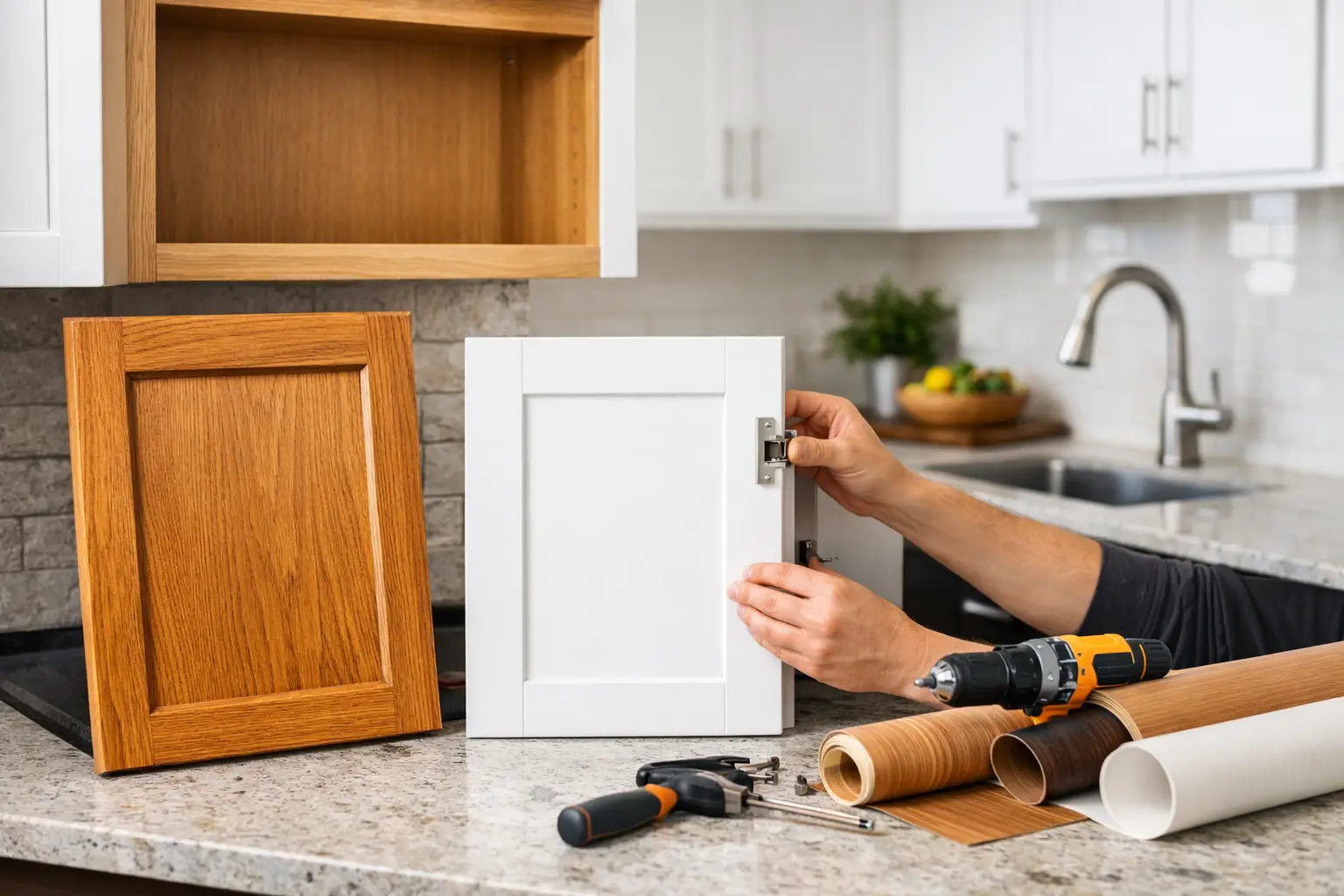
Cabinet refacing means keeping the existing cabinet boxes and updating the visible surfaces. That usually includes new doors and drawer fronts, a matching veneer or laminate applied to exposed cabinet frames, updated hardware, and often soft-close upgrades if you want them.
In many projects, labor is a major part of the total cost. Good refacing is detail work. Doors need to fit cleanly, drawer fronts need to align, and the finish has to look intentional rather than patched together. If the installer also handles trim adjustments, hinge upgrades, and minor corrections to older cabinet framing, that adds value even when it adds some cost.
Most homeowners can expect the cost of kitchen cabinet refacing to vary based on the number of doors and drawers, the materials selected, and the condition of the existing cabinets. A small kitchen with basic materials may fall on the lower end, while a larger kitchen with custom fronts, wood veneer, and premium hardware can move up quickly.
Typical price ranges homeowners should expect
A realistic ballpark for refacing is often $4,000 to $12,000, with many mid-size kitchens landing in the middle. In a smaller kitchen with straightforward cabinet runs and no major repairs, the price may stay closer to the lower end. In a larger kitchen with an island, taller pantry units, specialty doors, or upgraded finishes, the number rises.
That range matters because refacing is not one fixed product. It is a custom installation built around your existing kitchen. Two homes with the same square footage can have very different pricing if one has simple lower and upper cabinets and the other has deep drawers, glass-front doors, crown details, and multiple finish transitions.
If a quote seems unusually low, it is worth asking what is not included. Hardware, end panels, trim work, drawer box replacement, or surface repairs may be excluded from the base number. A clear estimate should spell out what is included so there are no surprises halfway through the project.
What drives the cost of kitchen cabinet refacing up or down
The biggest pricing factor is usually cabinet quantity. More doors, more drawer fronts, and more exposed surfaces mean more materials and more labor. That sounds obvious, but it catches people off guard because a compact kitchen with lots of upper cabinets and drawers may cost more than a slightly larger kitchen with a simpler layout.
Material choice also matters. Laminate and rigid thermofoil options can be more budget-friendly, while real wood veneers and solid wood door styles usually cost more. Painted finishes, stained wood, shaker profiles, slab fronts, and custom colors all carry different price points.
Then there is cabinet condition. Refacing works best when the boxes are structurally sound. If cabinets are out of square, water-damaged, sagging, or poorly installed to begin with, prep and repair time can add up. At some point, replacement becomes the better investment.
Hardware is another swing factor. Basic knobs and pulls keep costs controlled. Decorative hardware, concealed hinges, and soft-close systems improve the everyday experience of using the kitchen, but they can noticeably affect the overall cost.
Finally, local labor rates influence price. In areas where experienced finish carpentry and remodeling labor are in high demand, labor costs may be higher than broad online averages suggest.
Refacing vs. replacing cabinets
This is where homeowners often get stuck. Refacing sounds like the cheaper option, and it usually is, but not always by as much as people expect.
Full cabinet replacement often starts around $12,000 and can climb well beyond that once demolition, disposal, new boxes, installation, countertops, backsplash repairs, and plumbing or electrical adjustments are involved. The upside is that replacement gives you a fresh layout, new storage design, and the chance to fix deeper problems.
Refacing avoids much of that. You keep the cabinet footprint, reduce demolition, and shorten the project timeline. That makes it especially appealing if your kitchen layout already works well and you want a major visual update without turning the house upside down.
The trade-off is flexibility. Refacing will not solve a bad layout, poor storage flow, or cabinets that are simply worn out inside. If the drawers stick, the shelves are failing, and the boxes are damaged, spending money to make the fronts look new may not be the right call.
When refacing is a good investment
Refacing makes sense when your cabinet boxes are solid, the kitchen layout still serves your needs, and the room needs cosmetic improvement more than structural change. It can also be a strong option for rental properties and second homes where owners want a clean, updated look without the cost and downtime of a full remodel.
It is often a particularly good fit if your countertops, flooring, and backsplash are staying. New cabinet fronts can tie the whole room together without forcing a chain reaction of other replacements.
For occupied homes, refacing is easier on daily life. There is less dust, less demolition, and less time without a functional kitchen. That convenience matters more than people think, especially for busy households and property managers trying to keep turnover or disruption to a minimum.
When refacing is probably not the right choice
There are times when refacing looks like savings on paper but creates limits you will regret later. If the kitchen has a poor layout, too little storage, damaged cabinet interiors, or moisture issues around the sink base, replacement may be the more honest long-term solution.
The same goes for cabinets made from low-quality materials that are already at the end of their life. A fresh exterior cannot fix weak particleboard, failing joinery, or boxes that were never built to last. If the bones are not good, putting money into the surface is hard to justify.
This is where a straightforward contractor matters. A trustworthy estimate should not push refacing just because it is the service you asked about. It should look at the condition of the kitchen and tell you what makes sense.
How to budget for cabinet refacing without surprises
Start with priorities. Decide what matters most: updated style, better hardware, soft-close drawers, matching end panels, or improving resale appeal. Once you know the goal, it is easier to separate must-haves from nice-to-haves.
Next, ask for a detailed quote. You want to know whether the price includes removal and disposal of old fronts, hardware installation, finish matching, trim work, and any repairs needed to prepare the cabinet boxes. Small omissions can turn into frustrating change orders later.
It also helps to plan for a cushion. Even in a straightforward refacing job, an older kitchen may reveal a few hidden issues once work begins. Building in a little room in the budget helps keep the project on track without stress.
If you are comparing bids, compare the scope before you compare the price. One contractor may include higher-quality door fronts, better hinge systems, and more complete finish work. Another may offer a lower headline number but leave out the details that make the final result look polished.
The real question behind cabinet refacing cost
Most homeowners are not just asking what cabinet refacing costs. They are asking whether it will feel worth it when the job is done.
That answer depends on the condition of your existing kitchen, the quality of the workmanship, and whether the project matches the real problem you are trying to solve. If you want a fresh look, solid function, and a practical update without a full remodel, refacing can be money well spent. If the kitchen needs bigger changes, it is better to know that upfront than to spend halfway toward a result that still falls short.
A good contractor will help you sort that out clearly, price it honestly, and treat your home with respect along the way. That is what turns a cabinet project from another estimate into a plan you can feel confident about.
Aurthor:
Robby Bates