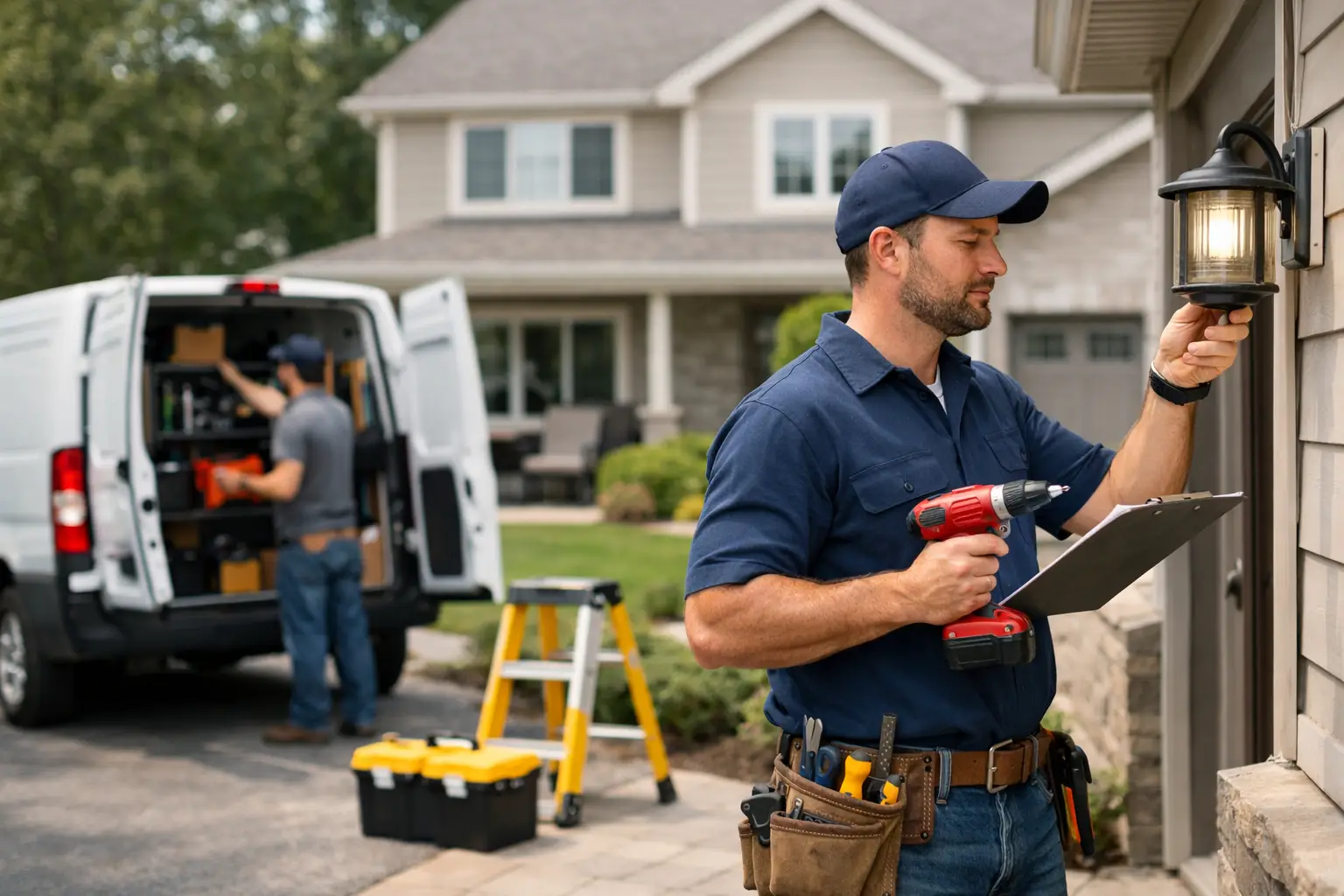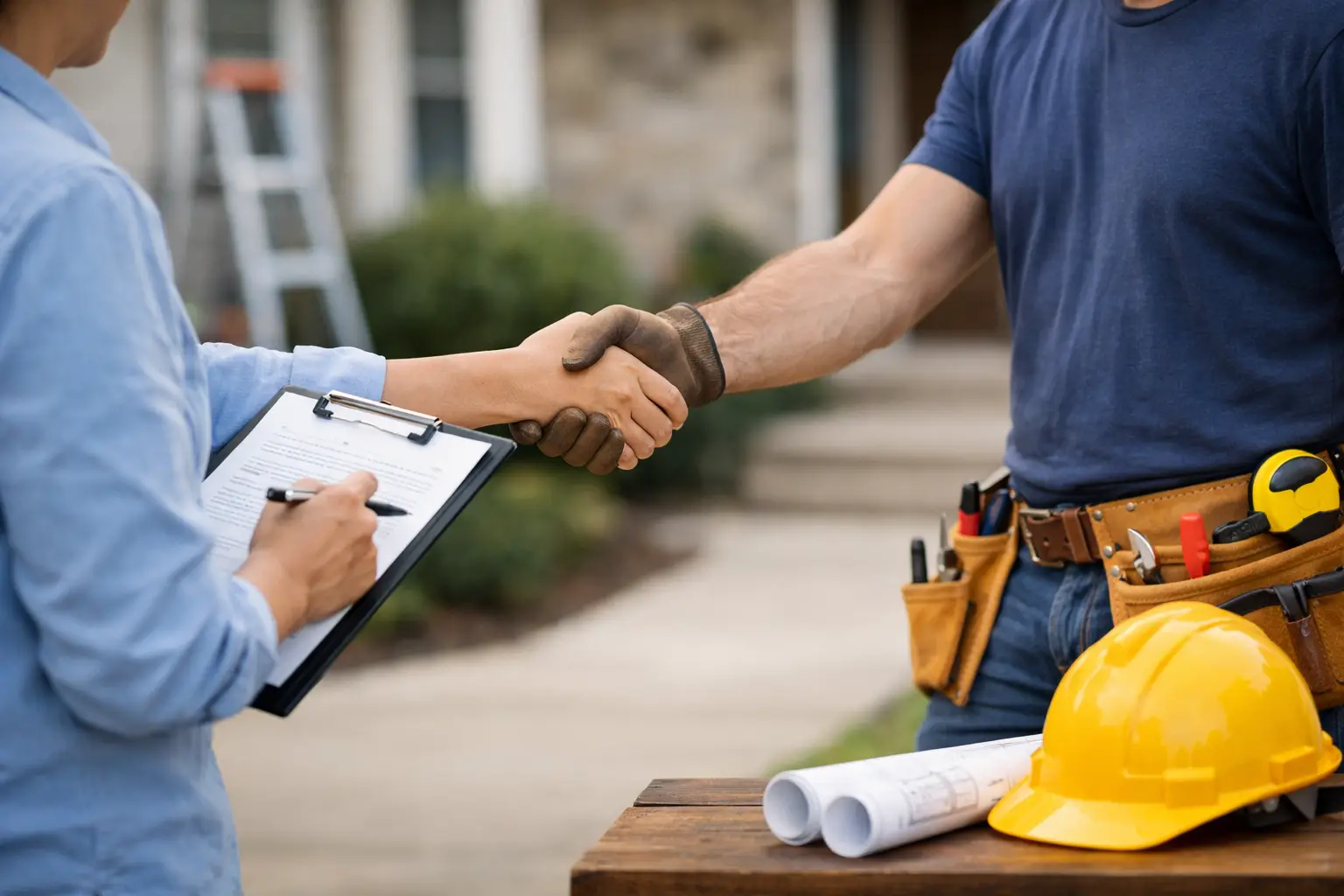
A leaking window, a sticking door, cracked drywall, or a bathroom that finally stopped working the way it should - most home projects do not start as exciting upgrades. They start as interruptions. That is why choosing the right home repair contractor matters so much. You are not just hiring someone to swing a hammer. You are trusting a professional with your time, your budget, and your home.
For many homeowners and property managers, the hardest part is not deciding that a repair is needed. It is figuring out who can handle it well, communicate clearly, and follow through without turning a manageable project into a drawn-out headache. A good contractor brings more than labor. They bring order to the process.
What a home repair contractor actually does
A home repair contractor is often the person people call when a project does not fit neatly into one narrow trade. Maybe you need drywall repaired after a plumbing issue, new trim installed, flooring patched, and a few fixtures updated at the same time. Instead of coordinating several companies, you want one trusted professional who can see the whole picture and get the work done right.
That broad capability is especially valuable in lived-in homes and rental properties, where problems rarely show up one at a time. Wear and tear tend to stack up. A small exterior issue can lead to moisture damage inside. An outdated bathroom may need cosmetic upgrades, but it may also need better function, safer fixtures, or repairs behind the walls.
The right contractor helps you sort out what is urgent, what can wait, and what makes sense to bundle together. That can save money, but just as important, it can save you from repeated disruptions.
Why homeowners often choose the wrong contractor
Most bad contractor experiences do not start with obvious red flags. They start with pressure, vague promises, or a price that seems too good to pass up. When you are dealing with a repair that affects daily life, speed can feel more important than process. That is understandable, but it is also where costly mistakes happen.
A low bid can leave out important steps. A fast promise can mean the contractor has not really thought through the scope. A friendly first impression can hide poor organization once the work begins. The problem is not just bad workmanship. It is uncertainty. Homeowners get frustrated when they do not know what is happening, what the final cost will be, or whether the job is still on track.
That is why professionalism matters as much as technical ability. You want someone who can explain the work in plain language, set expectations, and let you know when conditions change.
How to evaluate a home repair contractor
When you are comparing contractors, look beyond the estimated total. Price matters, but value comes from the full experience: communication, planning, workmanship, and accountability after the job starts.
Start with scope clarity
A dependable contractor should be able to walk the site, understand the problem, and explain the likely solution without causing confusion. They should also be honest about unknowns. Some projects are straightforward. Others only reveal their full scope after materials are removed or damaged areas are opened up.
That honesty is a good sign, not a weakness. In repair work, there are times when the right answer is, "We will know more once we get into it." What matters is how that uncertainty is handled. You want clear conversations about possible next steps, not surprise charges after the fact.
Look for direct communication
A contractor does not need to sound polished in a corporate way. In fact, many homeowners prefer a more personal, owner-led experience. What matters is responsiveness and consistency. Do they answer questions clearly? Do they explain what is included? Do they tell you when something changes?
Good communication reduces stress. It also helps you make better decisions, especially when you are balancing budget, timeline, and finish level.
Pay attention to how they talk about your home
Respect shows up early. A good contractor talks about protecting existing finishes, minimizing disruption, and keeping the site orderly. They understand that this is not just a worksite. It is your home, your rental, or your investment property.
That mindset often carries through the entire project. Contractors who care about the details usually care about the customer experience too.
As if you want to ask before work begins
You do not need to interview a contractor as if you were hiring for a corporate job, but a few direct questions can tell you a lot.
Ask how they define the project scope and how changes are handled if hidden damage or additional needs are found. Ask what the estimate includes and what might reasonably change. Ask about timeline expectations, material selections, and whether occupied homes require any prep on your end.
It is also smart to ask who your point of contact will be during the job. On smaller projects, that may be the owner or lead contractor. On larger jobs, communication can get messy if no one owns it. Clear responsibility helps keep everything moving.
Small repairs versus larger projects
Not every contractor is equally comfortable across project sizes. Some are built for major remodels only. Others focus on quick fixes but struggle when repairs lead to broader improvements. A versatile residential contractor can be a strong fit if you need both.
That matters more than many people realize. A simple repair can become a better opportunity when the right person evaluates the space. If you are already replacing damaged flooring, does it make sense to address the baseboards too? If a bathroom fixture is being updated, is this the right time to improve lighting, ventilation, or storage?
There is a balance here. You do not want to be upsold into work you do not need. But you also do not want to pay for repeat visits because nobody helped you think through the project as a whole. A trustworthy contractor helps you see your options without pressure.
Why local accountability matters
When you hire a local contractor, you are often getting a level of accountability that is hard to match with a bigger, less connected operation. Local businesses depend on reputation. They work in the same neighborhoods, serve the same property owners, and understand the conditions homes in the area actually face.
In mountain communities and places with seasonal weather swings,local knowledge can shape better recommendations. Exterior materials, moisture exposure, freeze-thaw wear, and maintenance timing all affect repair decisions. A contractor who works in the area regularly is more likely to spot patterns and suggest practical solutions that hold up.
That local, personal approach is one reason many homeowners prefer working with a company like Salida Home Services. The experience feels more direct, more transparent, and more grounded in doing right by the customer. The best contractor is not always the cheapest
Most homeowners have a budget in mind, and that is reasonable. Good contractors should respect it. But there is a difference between managing cost and choosing based on price alone.
The cheapest estimate may omit prep work, finishing details, haul-away, or the correction of underlying issues. That does not always show up until the project is underway. By then, the original savings may disappear.
A better approach is to look for pricing that feels clear and well-explained. You want to understand what you are paying for and why. Transparency builds trust. It also makes it easier to compare options fairly.
When ongoing maintenance is the smarter move
Sometimes the best contractor relationship isn't built around a single big remodel. It starts with smaller repairs and regular upkeep. For second homes, rentals, and aging properties, ongoing maintenance can prevent bigger expenses later.
This is especially helpful for property managers and busy owners who do not have time to chase separate vendors for each issue. Having one reliable contact for doors, drywall, fixtures, flooring, exterior repairs, and general updates simplifies the entire property care process.
There is real value in that continuity. A contractor who already knows your property can often diagnose problems faster and recommend improvements that fit your long-term plans.
Choosing confidence over guesswork
At the end of the day, hiring a home repair contractor should make your life easier. You should feel more certain after the consultation, not less. You should know what problem is being solved, what the process looks like, and how communication will work if anything changes.
That kind of confidence does not come from flashy sales language. It comes from steady workmanship, honest pricing, and respect for the people who live in the home. When you find a contractor who brings those qualities to the table, repairs stop feeling like a burden and start feeling like progress.
Aurthor:
Robby Bates