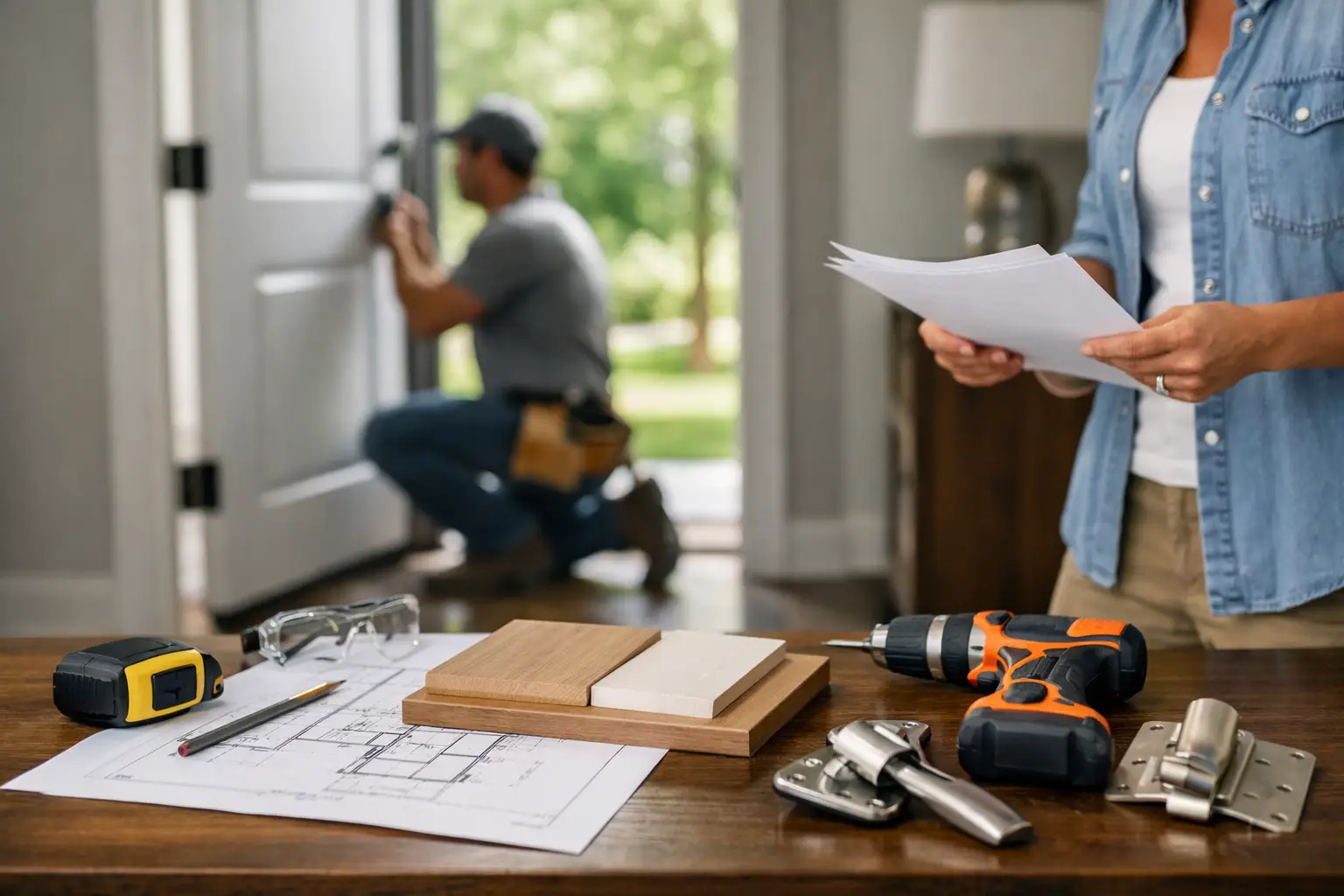
A kitchen remodel usually starts before the first cabinet comes out. It starts when you realize the space no longer works the way your home does. Maybe storage is tight, the layout slows down busy mornings, or worn finishes make the whole room feel dated. Choosing the right kitchen remodeling contractor is what turns that frustration into a project you can actually feel good about.
The hard part for many homeowners is not deciding they want a better kitchen. It is figuring out who to trust with the work. A kitchen is one of the most-used rooms in the house, and remodeling it affects your daily routine, your budget, and often the property's value. For homeowners and property managers, the best contractor is not just someone who can build. It is someone who can plan well, communicate clearly, and follow through without creating unnecessary surprises.
What a kitchen remodeling contractor should really do
A lot of people picture a contractor as the person who swings the hammer and installs the cabinets. That is only part of the job. A good kitchen remodeling contractor manages the full process, from the first walk-through to the final punch list.
That means helping define the scope, identifying what is realistic for the space, and spotting issues that could affect cost or timing before demolition begins. In older homes, especially, kitchens can hide electrical updates, plumbing changes, uneven floors, wall damage, or ventilation problems. If those possibilities are not discussed early, the project can go sideways fast.
A dependable contractor also keeps the work organized. Materials need to be ordered in the right sequence. Trade work needs to be coordinated. Scope changes need to be discussed before they happen, not added to an invoice after the fact. Homeowners should know what is happening, what comes next, and where the budget stands.
That kind of management matters just as much as craftsmanship. Good work with poor communication still feels like a bad experience.
Signs you have found the right kitchen remodeling contractor
The right fit is usually obvious in the first conversation. A solid contractor asks practical questions about how you use the kitchen, what is not working, and what level of remodel you are considering. They are not pushing the biggest possible project. They are trying to understand the one that makes sense for your home.
You should also notice a straightforward approach to pricing and process. Clear estimates, honest conversations about allowances and unknowns, and a willingness to explain how changes are handled are all good signs. If a contractor is vague when talking about money, timing, or responsibilities, that vagueness usually gets worse once the project starts.
Look for someone who respects the fact that this is your home, not a jobsite first. That includes showing up when promised, protecting surrounding areas, keeping the site reasonably tidy, and communicating in a way that reduces stress instead of adding to it.
For occupied homes and rental properties, reliability is not a bonus. It is part of the service.
Questions worth asking before you hire
You do not need to interview a contractor as if you were hiring for a corporate role, but you should ask enough to understand how they work. Start with the scope. Ask what is included, what is excluded, and what commonly changes once a kitchen is opened up.
Ask how they handle design decisions if you already have ideas but need help refining them. Some projects are full redesigns. Others are more practical upgrades with better cabinets, counters, lighting, and layout improvements. There is no single right level of remodel. It depends on your goals, your timeline, and how long you plan to keep the property.
It also helps to ask who your main point of contact will be, how schedule updates will be shared, and what happens if materials are delayed. These are not small details. They shape the day-to-day experience of the project.
If you manage rental or second-home properties, ask how access, scheduling, and progress communication are handled when you are not on site. A contractor accustomed to working with busy owners and property managers will already have a process in place for this.
Budget conversations should be clear, not awkward
Kitchen remodeling costs vary widely because kitchens vary widely. A simple refresh is very different from a full layout change that moves plumbing, adds new lighting, replaces flooring, and upgrades appliances. The mistake many homeowners make is asking for a price before anyone has defined the work clearly enough to price it honestly.
clearly defined the work. A better approach is to talk through priorities first. Are you trying to improve flow? Maximize storage? Replace worn materials? Prepare the home for sale? Update a rental for better durability? Once those goals are clear, a contractor can help separate must-haves from nice-to-haves.
This is where transparency matters most. A trustworthy contractor should explain where your money is going and where trade-offs exist. Custom work may give you a better fit, but stock options may make more sense for budget or timeline. Moving walls may improve function, but keeping the existing footprint often saves considerable money. Quartz may offer durability and low maintenance, while other countertop materials may alter the look or maintenance needs.
None of these choices is one-size-fits-all. The right answer is the one that fits the home and its occupants.
Why local experience matters in a kitchen remodel
Hiring locally is not just about convenience. It is about accountability. A local contractor understands the area's homes, the common repair issues that arise in older properties, and the expectations homeowners have for workmanship and communication.
That matters in mountain communities and places with a mix of full-time residences, second homes, and rentals. Project logistics can be different. Access can be different. Scheduling can be affected by season, occupancy, or weather-related delays tied to other parts of the property. A contractor who works locally is more likely to plan with those realities in mind.
There is also a practical trust factor. When a business is rooted in the community, reputation is not an abstract marketing idea. It is built project by project, neighbor by neighbor. That tends to create a stronger sense of responsibility to do the job right and stand behind the work.
A smoother remodel starts with realistic expectations
Even a well-run kitchen remodel is disruptive for a while. You may be without a working sink, stove, or full storage for part of the project. Dust control helps, but construction is still construction. The goal is not a perfectly inconvenience-free experience. The goal is a managed one.
A good contractor helps set expectations early. You should know the likely order of work, the decisions that need to be made in advance, and the points where delays are most likely. Material lead times, hidden damage behind walls, and owner-requested changes are some of the most common schedule factors.
This is another reason communication matters so much. Homeowners are usually patient when they understand what is happening and why. What creates frustration is silence, confusion, or feeling like no one is steering the job.
That is why an owner-led, service-focused approach tends to make such a difference. When the process feels personal, accountable, and direct, the whole project becomes easier to live through.
Choosing for the long term, not just the estimate
It is tempting to compare contractors mainly on price. Budget matters, and every homeowner has limits. But the lowest estimate is not always the lowest cost once the project is underway. Missed details, weak planning, poor communication, and sloppy execution usually show up later as change orders, delays, repairs, or disappointment.
A better comparison looks at the full picture. Is the scope clearly defined? Does the contractor seem organized? Are they listening closely to your needs? Do they explain trade-offs honestly? Do they make you feel rushed, or do they make you feel informed?
Those questions often tell you more than the number at the bottom of the page.
For homeowners in Salida and nearby communities, working with a contractor like Salida Home Services can mean less guesswork and more confidence because the focus stays on practical solutions, clear communication, and workmanship that respects the home as much as the budget.
The best kitchen remodels are not just the ones that look good in photos. They are the ones that make daily life easier, feel solid for years to come, and leave you glad you hired the right person from the start.
Aurthor:
Robby Bates