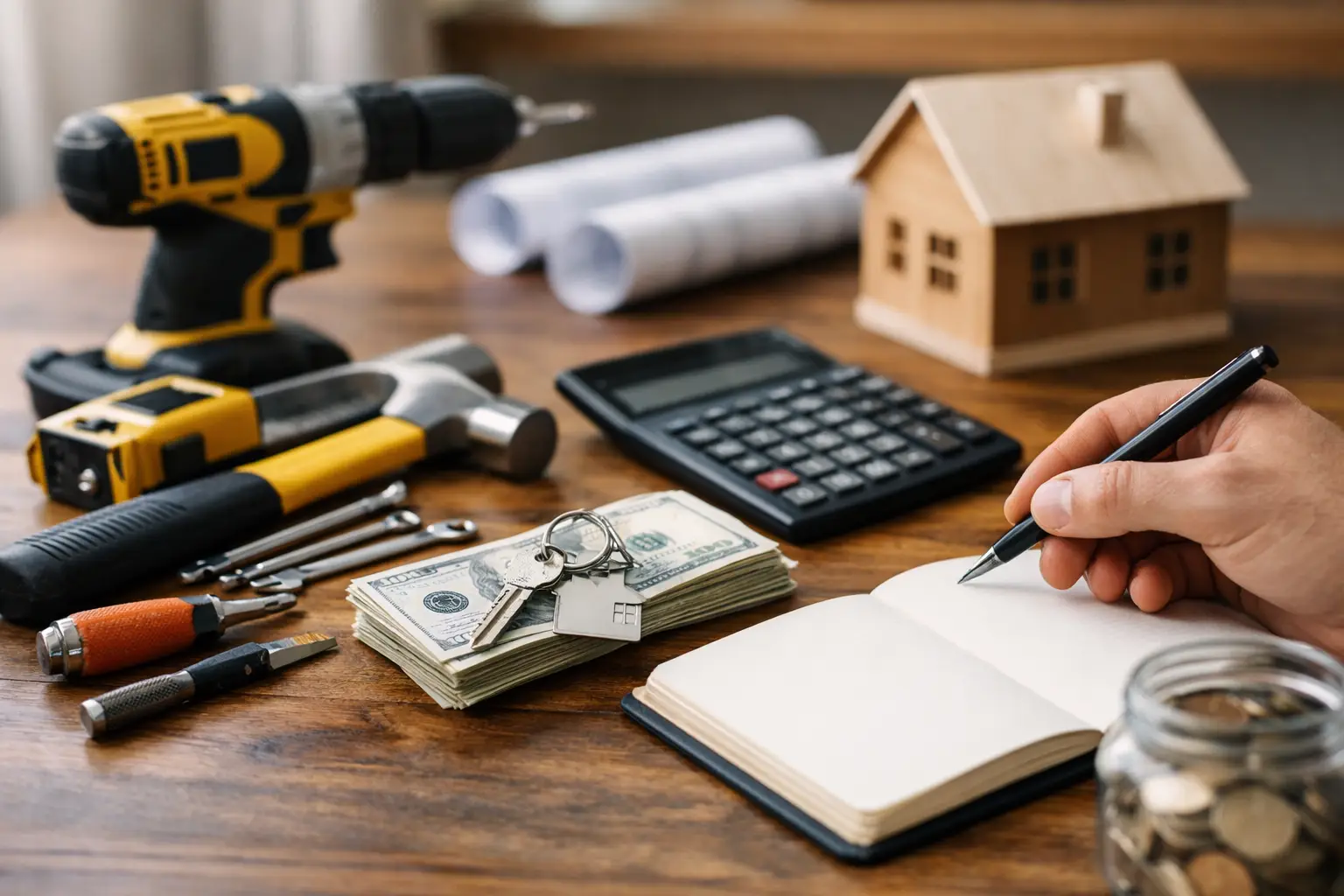
A slow drip under the kitchen sink, a sticking exterior door, or a furnace that begins making a new sound can turn into a bigger expense when it is put off too long. Learning how to budget home repairs gives you more control over those moments. Instead of choosing between an unexpected bill and a temporary fix, you can make a clear decision that protects your home, your comfort, and your long-term costs.
For homeowners and property managers, the goal is not to predict every repair. It is to create enough room in your budget to address urgent work promptly, plan larger projects thoughtfully, and avoid letting small concerns become expensive damage.
Start With a Home Repair Reserve
A home repair reserve is money set aside specifically for maintenance, repairs, and unexpected issues. It is separate from everyday savings, vacation funds, or a renovation budget. Keeping it separate makes it easier to see what is truly available when a repair comes up.
A practical starting point is to save 1% to 3% of your home's value each year for repairs and maintenance. A newer, well-maintained home may fall closer to the lower end. An older home, a rental property, or a home exposed to heavy snow, freeze-thaw cycles, and mountain weather may need more. This is a planning guideline, not a rule. Some years may require very little, while one major repair can use much of the reserve at once.
If that number feels out of reach, start smaller and make it automatic. A monthly transfer of $100, $200, or another realistic amount builds a useful cushion over time. The consistency matters more than waiting until you can save the ideal amount.
How to Budget Home Repairs by Priority
Not every repair deserves the same response. The most effective home repair budget separates immediate needs from work that can be planned over time.
First, protect safety and prevent active damage. Electrical problems, water leaks, roof openings, failing heat in cold weather, broken handrails, damaged steps, and malfunctioning exterior doors generally need prompt attention. The longer these problems remain, the greater the chance of injury, moisture damage, energy loss, or a much larger repair bill.
Next, focus on repairs that affect how the home functions. A toilet that runs constantly, flooring that creates a trip hazard, windows that no longer close properly, or a garage door that will not operate reliably may not always be an emergency, but they can disrupt daily life and create added wear.
Finally, plan cosmetic improvements and upgrades. Worn paint, dated fixtures, minor drywall damage, and a room that no longer fits your needs still matter. They simply belong in a planned-project category unless they are connected to a larger issue, such as water damage behind a wall or deteriorating exterior materials.
This prioritization helps property managers as well. A clear system makes it easier to explain why a safety repair is handled immediately while an appearance-related update is scheduled during a future turnover or improvement cycle.
Build a Repair Calendar Around Your Home's Age
A repair budget works better when you know what may be approaching. Walk through your home twice a year and note its condition, recent repairs, and systems that are nearing the end of their expected service life. Take photos, keep receipts, and record dates for major work such as roofing, flooring, windows, appliances, water heaters, exterior paint, and heating equipment.
You do not need a complicated spreadsheet. A simple list with the item, its condition, its approximate age, and a rough replacement window can be enough. For example, if a water heater is older and showing signs of wear, begin setting aside money before it fails. If exterior caulking is cracking, schedule repairs before moisture gets behind the siding or trim.
Seasonal maintenance is part of this process. In the Arkansas River Valley, clearing gutters, checking exterior seals, inspecting decks and stairs, and preparing plumbing and heating systems for cold weather can prevent avoidable repairs. Maintenance is not a separate expense from repair planning. It is one of the best ways to reduce repair costs over time.
Get Estimates Before a Problem Becomes Urgent
Waiting until something fails usually narrows your options. You may need immediate service, temporary accommodations, or a faster decision than you would prefer. When you notice a concern early, an on-site assessment can clarify whether you need a simple repair, a more involved correction, or a phased plan.
A detailed estimate should help you understand the scope of work, the materials involved, and what could affect the final price. Ask what is included, what is not included, and whether there are conditions behind walls, under flooring, or around damaged areas that may only become visible after work begins.
No contractor can promise that an older home will never reveal a hidden issue. What matters is how the contractor communicates if it does. A trustworthy process includes discussing scope changes and pricing before additional work moves forward. That protects your budget from surprises and helps you decide whether to proceed, adjust the scope, or phase the work.
Separate Repairs From Improvements
Homeowners often use one savings category for everything, from a leaking faucet to a full bathroom remodel. That can make it difficult to fund the repairs that cannot wait.
Keep your home spending in two buckets: a repair and maintenance reserve for necessary work, and an improvement fund for projects that add comfort, function, or style. A bathroom refresh, new flooring, or kitchen upgrade may include repairs along the way, but the overall project should be planned as an improvement expense.
There is some overlap. Replacing a damaged exterior door may be necessary, but choosing a higher-end style or adding sidelights is an upgrade. That is not a bad choice. It simply helps to identify which portion of the cost solves the problem and which portion reflects your preferred finish or features.
Use Phasing Carefully
Phasing a project can make a larger repair or renovation easier to manage. For instance, you might repair water-damaged drywall and address the source of the moisture now, then paint the full room later. You may replace failing flooring in the most affected area first and plan the rest when the budget allows.
However, phasing is not always the lowest-cost choice. Completing related work at the same time can reduce repeated labor, setup, and disruption. If walls need to be opened for plumbing or electrical work, it may be more efficient to complete planned upgrades while access is available. Ask your contractor which parts of the project should stay together and which can be safely delayed.
Avoid the False Savings of Repeated Temporary Fixes
The lowest upfront price is not always the best budget decision. Re-caulking around a window may be appropriate if the window is sound. It is not a lasting solution if water is entering because of failed flashing, rot, or a larger installation problem.
The same applies to patching recurring drywall cracks, painting over stains, or replacing one damaged board without addressing the moisture or structural cause. A quality repair starts with identifying why the problem happened. Paying once for the right scope can cost less than paying several times for work that only masks the symptom.
That does not mean every issue requires a full replacement. Good repair planning weighs the age of the component, the extent of damage, the likelihood of recurrence, and your future plans for the property. If you expect to remodel within a year, a durable interim repair may make sense. If you plan to stay for many years, a more complete solution may offer better value.
Keep Communication Part of the Budget
Your budget is not only about dollars. It is also about avoiding costly misunderstandings. Before work begins, share your priorities: what must be fixed, what you hope to improve, your preferred materials, and the amount you are comfortable investing. Clear communication gives your contractor the information needed to recommend practical options.
At Salida Home Services, the focus is on clear scope, dependable workmanship, and discussing changes before they move forward. That approach is especially valuable when repairs involve older materials, hidden damage, or several connected needs.
A repair fund will not make home problems disappear. It will give you a calmer, more confident way to respond when they arise. Start with one monthly contribution, keep an eye on the small issues, and ask for clear guidance before a minor repair becomes a major interruption.
Aurthor:
Robby Bates