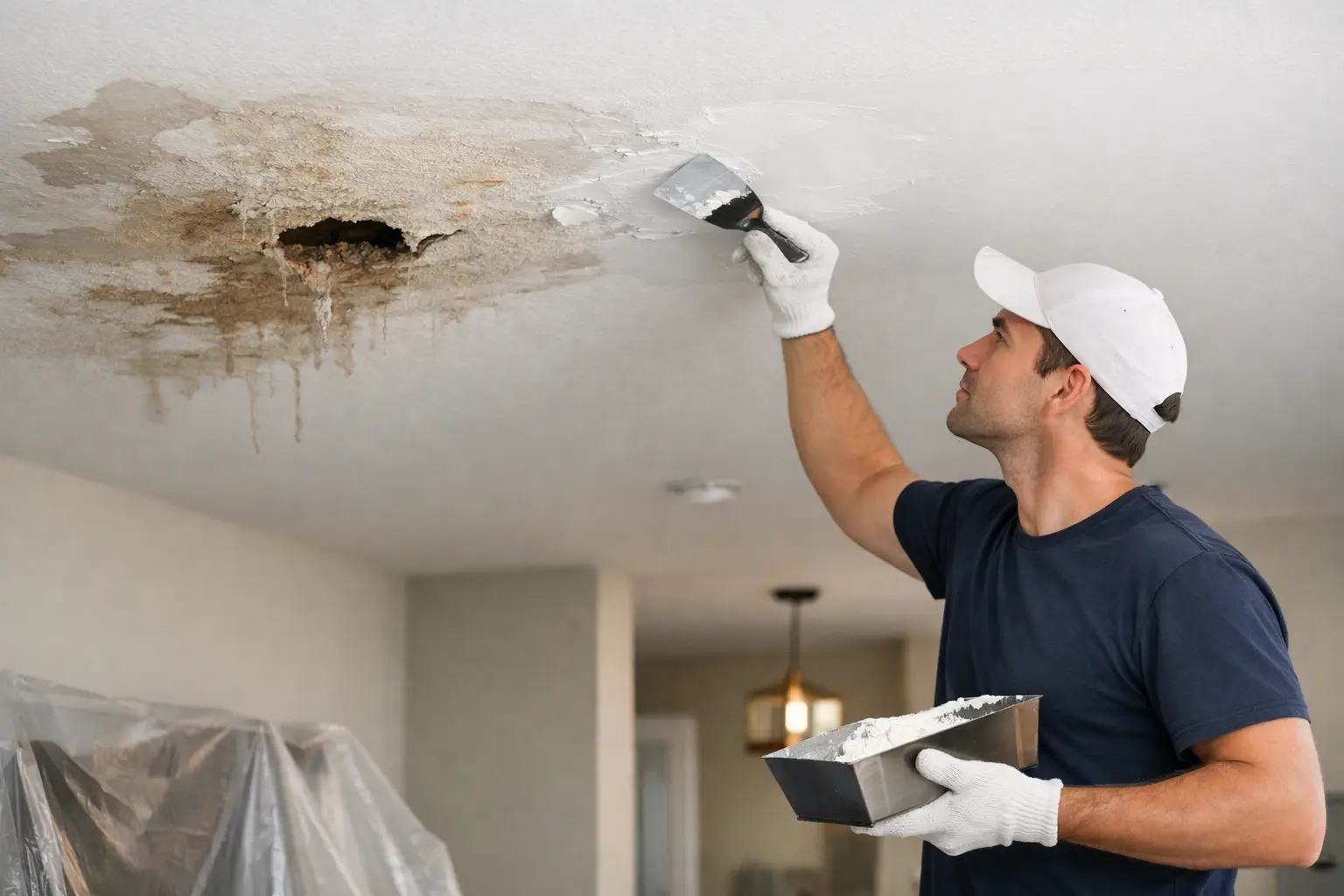
A bathroom remodel can look straightforward until the wall comes open and reveals old plumbing, water damage, or framing that needs attention. The right contractor does more than install finishes. They help you plan for real conditions, make informed decisions when surprises arise, and keep the work moving with respect for your home. Knowing how to choose a remodel contractor before work begins is one of the best ways to protect your budget, schedule, and peace of mind.
A low price is not the same as a good value, and a polished online profile is not the same as dependable service. For homeowners and property managers, the best choice is usually the contractor who communicates clearly, understands the full scope, and takes responsibility for the details from the first conversation through final cleanup.
Start With a Clear Project Scope
You do not need construction drawings to start a productive conversation with a contractor, but you should be able to explain what is not working and what you want to change. Is your kitchen cramped? Does a rental bathroom need durable updates between tenants? Are you remodeling a second home and need someone who can communicate reliably while you are away?
Write down your priorities before requesting estimates. Include the rooms involved, the outcome you want, any must-have materials or features, and your ideal timing. It also helps to identify where you have flexibility. You may be set on replacing a failing shower but open to different tile choices depending on cost and availability.
A good contractor will ask questions that sharpen the scope instead of rushing to quote a vague description. They may point out related work, such as electrical updates for new lighting, subfloor repairs beneath flooring, or exterior flashing around a replacement window. That is not automatically an upsell. It is often the difference between a surface-level improvement and a repair that lasts.
How to Choose a Remodel Contractor: Look Beyond the Estimate
An estimate is an essential decision tool, but it should not be the only one. Compare proposals based on what is included, the expected quality of materials, the plan for labor, and the contractor's process for handling changes. If one bid is substantially lower than the others, ask why before treating it as a bargain.
A lower number may reflect fewer included tasks, lower-grade materials, missed site conditions, or allowances that are unlikely to cover the products you want. On the other hand, a higher estimate is not automatically better. It should clearly explain the work and give you confidence that the contractor understands your home and your goals.
Ask each contractor to walk you through the estimate in plain language. You should understand what will be removed, repaired, installed, protected, and cleaned up. For a kitchen remodel, that may include demolition, cabinet installation, flooring transitions, drywall repair, fixture installation, paint touch-ups, and disposal. If an item is excluded, it should be clear enough that you can plan for it.
Price matters. No homeowner should feel pressured to ignore their budget. But the most useful comparison is the total value: capable workmanship, realistic planning, dependable communication, and fewer costly surprises later.
Verify Credentials and Relevant Experience
A contractor should be willing to discuss licensing requirements, insurance coverage, and the type of work they regularly perform. Requirements can vary by location and project type, so ask what applies to your specific job. For work involving permits, confirm who will obtain them and how inspections will be handled.
Insurance is not paperwork to overlook. If someone is working inside your home or on your roof, you want a contractor who has taken proper steps to protect their team, your property, and the project. Ask for current documentation when appropriate, particularly for larger remodels.
Experience should also match the work you need. A contractor who does excellent small repairs may be a great fit for a punch list, but a full bathroom renovation requires coordination across demolition, plumbing, electrical, walls, flooring, fixtures, and finish work. Ask about projects similar in size and complexity to yours.
References and recent project photos can help, but pay attention to what previous customers say about the process. Did the contractor show up when promised? Were questions answered? Did the team keep the home reasonably clean? Did they address concerns after the job was complete? Quality work is visible, but reliability is often what homeowners remember most.
Pay Attention to Communication Before You Hire
The early conversations are a preview of the working relationship. If it is difficult to get a response, receive basic information, or understand what is being proposed before you sign, the process is unlikely to become easier once construction is underway.
Look for a contractor who listens before offering solutions. They should be able to explain options without talking over you or making you feel rushed. They should also be honest about trade-offs. Keeping an existing layout may reduce plumbing costs, for example, while moving walls can create more usable space but increase the scope, timeline, and budget.
For occupied homes, ask how the crew will protect floors, control dust, secure the work area, and manage access. For rental or second-home owners, ask how updates will be provided and who will make decisions if an unexpected condition is found. Clear answers make a project easier to manage, especially when you cannot be on site every day.
Direct, respectful communication is not an extra. It is a core part of good remodeling service.
Get the Agreement in Writing
A professional agreement protects both the homeowner and the contractor. It should describe the scope of work, payment schedule, estimated timeline, materials or allowances, warranty information, and responsibilities for permits or inspections. Read it carefully before signing, and ask for clarification on anything that feels unclear.
The agreement should also explain the change-order process. Remodels can uncover issues no one could see at the estimate stage, particularly in older homes. The concern is not that a change may be needed. The concern is moving forward without a clear conversation about the added cost, timing, and options.
Choose a contractor who commits to discussing scope changes before proceeding whenever practical. That gives you control over decisions and prevents the uncomfortable feeling of receiving an unexpected bill after work has already been done.
Be cautious about unusually large upfront payments or pressure to sign immediately. A reasonable payment schedule should align with real project milestones. It should make sense for the amount of work completed and materials being purchased, not simply shift all risk to the homeowner.
Consider the Fit, Not Just the Credentials
Two qualified contractors can still be very different fits. A large company may have more layers and a formal process. A smaller owner-led business may offer more direct contact and flexibility. Neither model is automatically better. It depends on your project, your communication preferences, and the level of personal attention you want.
In the Arkansas River Valley, local knowledge can be especially valuable. Contractors familiar with area homes understand the practical effects of mountain weather, seasonal scheduling, older construction, and the needs of primary homes, vacation properties, and rentals. Local accountability matters too. A contractor who serves neighbors and local property owners has a strong reason to stand behind the work.
When evaluating fit, consider whether the contractor treats your home as a job site or as a place where people live. The right remodel partner respects your routines, your property, and your decisions. They do not promise that every renovation will be free of surprises. They promise to handle surprises professionally.
Questions Worth Asking During the Consultation
Use the consultation to learn how the contractor thinks, not just what they charge. Ask how they would approach your project, what conditions could affect the price, and what they need from you to keep the schedule on track. You can also ask about the typical workday, who will be on site, and how concerns should be communicated.
For larger work, ask about material lead times and sequencing. A contractor who plans ahead can help you avoid selecting fixtures that will delay the entire project. For property managers, ask whether they can coordinate access, document completed work, and provide consistent updates that make it easier to communicate with owners or tenants.
Most of all, notice whether you receive clear, practical answers. You are hiring more than a set of hands. You are hiring judgment, organization, and accountability inside one of your most valuable assets.
A remodel should leave your home more comfortable, functional, and enjoyable - not leave you wondering what happened to your budget or who to call next. Take the time to choose a contractor who earns your confidence before the first tool comes out. A thoughtful consultation and a clearly defined plan can set the tone for a project you will be glad to live with for years.
Aurthor:
Robby Bates