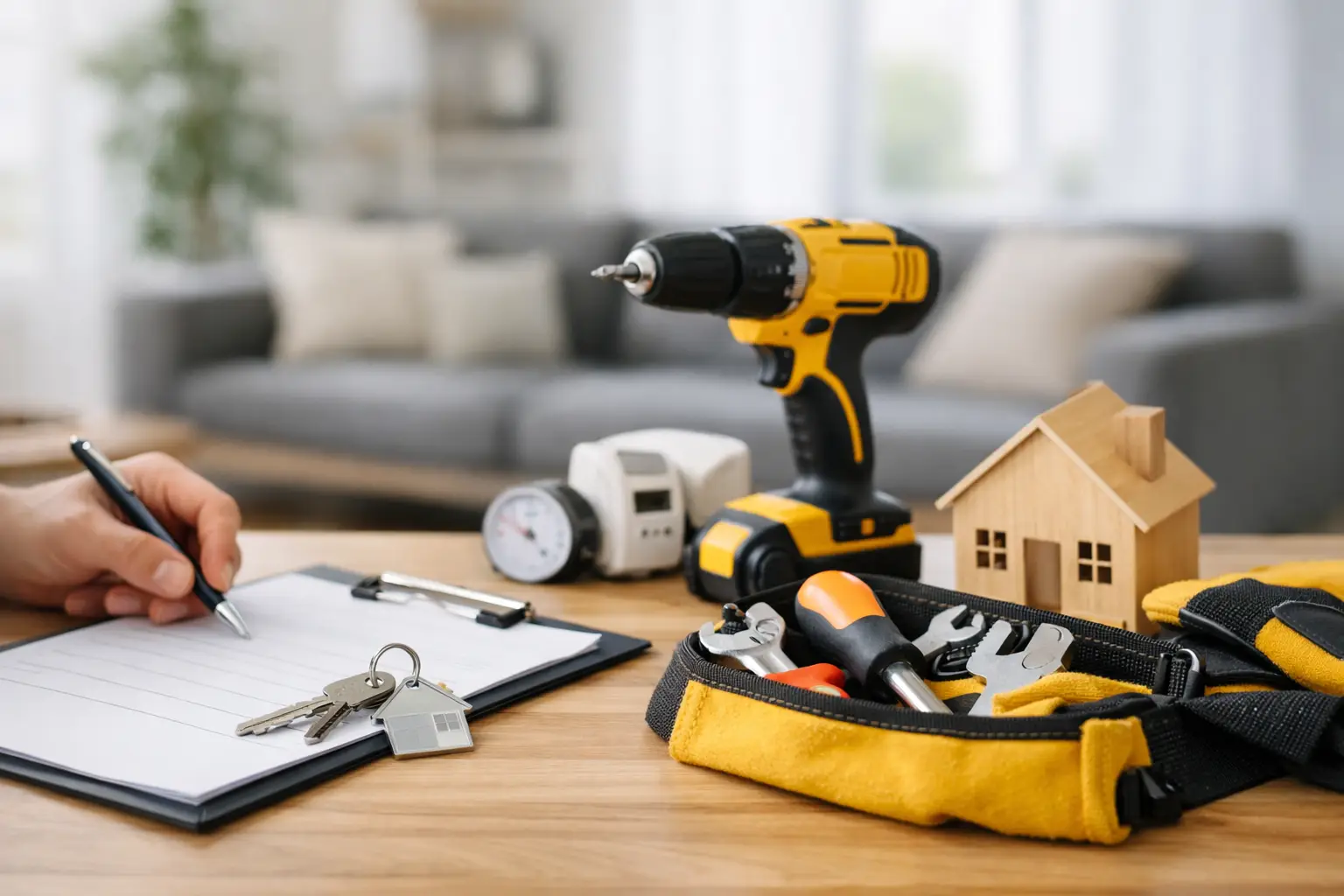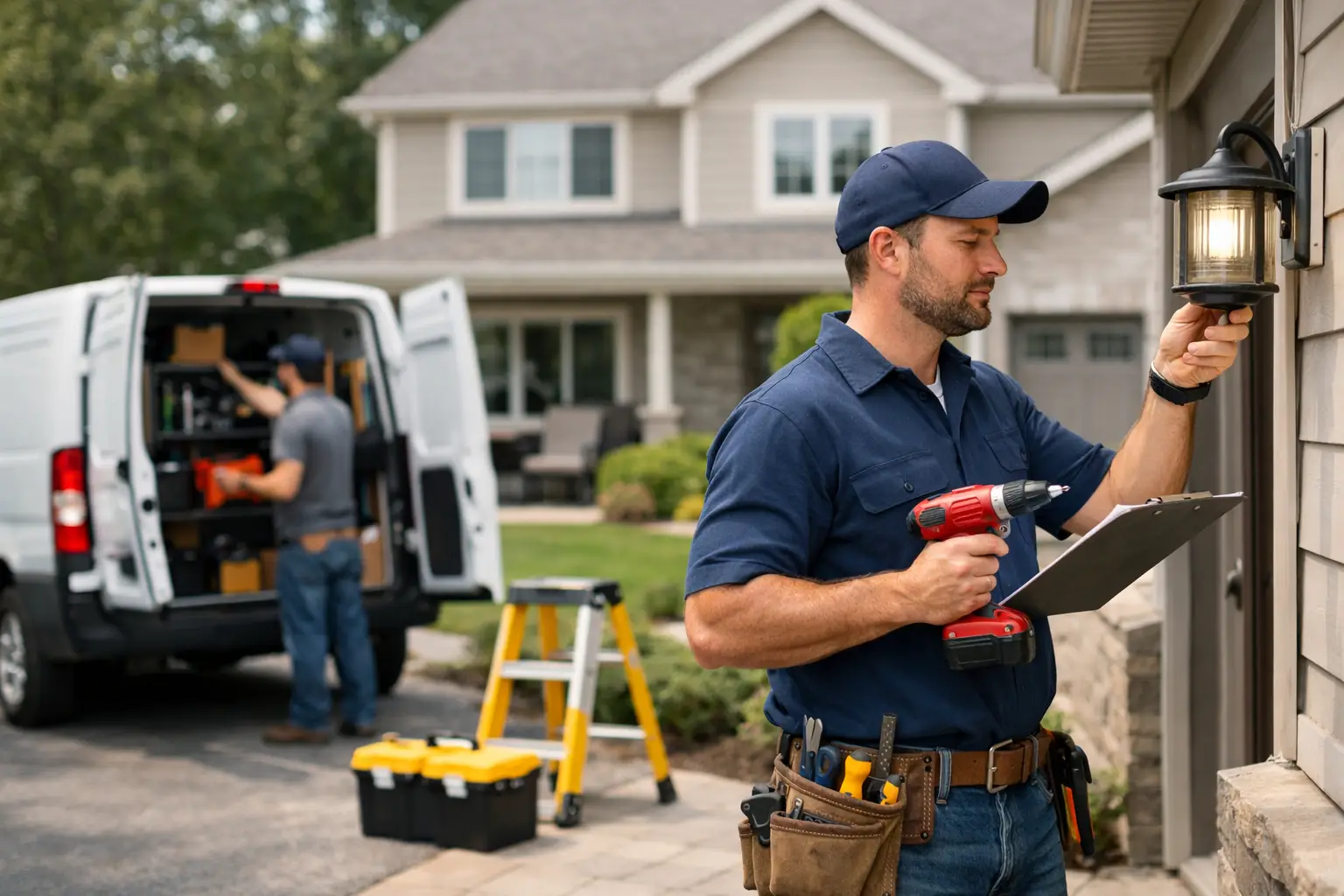
A leaking faucet at one rental might seem minor. Then a tenant mentions the loose handrail, the sticking back door, and the bathroom fan that stopped working last winter. That is how small issues turn into vacancies, complaints, and bigger repair bills. Good rental property maintenance services are not just about fixing what breaks. They are about protecting the home's condition, keeping tenants comfortable, and reducing surprises for the owner.
For rental owners and property managers in places like Salida and Poncha Springs, maintenance directly affects cash flow. Deferred repairs can shorten the life of flooring, damage walls and ceilings, wear out doors and windows faster, and create avoidable turnover costs. On the other hand, a well-maintained property is easier to rent, easier to manage, and far more likely to hold its value over time.
What rental property maintenance services should actually cover
A lot of owners hear the phrase and picture basic handyman work. In reality, solid rental property maintenance services usually need to cover much more than a quick fix list.
Most rental homes need ongoing attention across interior finishes, fixtures, doors, windows, flooring, kitchens, bathrooms, exterior elements, and general wear from everyday use. In older homes, that can also mean keeping up with drywall repairs, trim replacement, caulking, hardware issues, and the constant little adjustments that come with seasonal movement and long-term use.
This matters because rental maintenance is rarely a single-trade problem. A damaged bathroom floor may require moisture control, subfloor repairs, fixture replacement, baseboard repair, and paint touch-up. A door that will not latch might be due to hardware issues, a frame issue, or a sign that the home has shifted. The right service approach looks at the whole problem instead of patching the symptom and moving on.
Why rental property maintenance services save money
Some repairs can wait a week. Some should not wait a day. The challenge for owners is knowing the difference and having someone dependable enough to respond before a small issue becomes a larger one.
That is where maintenance becomes a cost-control strategy, not just an operating expense. A small roof-edge issue or exterior trim problem can lead to moisture intrusion. A failing shower surround can damage adjacent walls. Worn flooring at an entry point can become a safety issue and a turnover expense. Catching those problems early usually costs less than rebuilding after neglect.
There is also the tenant side of the equation. Residents notice when repairs drag on, when communication is vague, or when one fix creates another problem. Reliable maintenance helps preserve trust, which can support lease renewals and reduce friction. That does not mean every tenant stays forever, but it does mean the property is less likely to gain a reputation for unresolved issues.
The difference between reactive and planned maintenance
Many landlords operate in a reactive mode. A tenant calls, a problem gets reported, and someone is sent out to deal with it. Sometimes that works. But if every repair is treated as an emergency, maintenance gets expensive fast.
Planned maintenance gives owners more control. It usually includes regular inspections, seasonal upkeep, and addressing known wear before it turns into failure. In Colorado, changing weather makes this even more important. Freeze-thaw cycles, sun exposure, wind, snow, and seasonal moisture can wear on exterior materials, windows, doors, and transitions around the home.
Inside the property, planned maintenance may mean refreshing caulk in kitchens and bathrooms, checking flooring transitions, repairing wall damage between tenants, replacing tired fixtures, or updating finishes that no longer hold up well in a rental setting. These are not glamorous projects, but they often make the difference between a property that feels neglected and one that feels cared for.
What property owners should look for in a maintenance partner
The best fit is not always the cheapest bid. For rental properties, responsiveness, communication, and follow-through often matter just as much as price.
A dependable contractor should be able to explain the scope clearly, identify related issues before work begins, and discuss changes before incurring additional cost. That kind of transparency matters when an owner is approving work from a distance or managing multiple properties at once. Surprises are frustrating in any project, but they are especially costly when a unit needs to stay occupied or turn quickly between tenants.
It also helps to work with someone who can handle a broad range of repairs and improvements. Rental properties rarely present neat, isolated problems. An owner may start with a drywall repair and end up needing paint, trim, a door adjustment, and a fixture replacement in the same visit. A full-service contractor can usually keep those projects moving without making the owner chase several different trades.
Professionalism inside the home matters too. Tenants remember whether the person doing the work showed up on time, communicated respectfully, and treated the property with care. For owners, that reflects directly on how the rental is managed.
Turnovers are where maintenance quality really shows
The period between tenants is often when the most important work gets done. It is also when owners can either protect the next lease cycle or set themselves up for more complaints.
A proper turnover should go beyond surface cleaning. This is the time to repair walls and ceilings, evaluate flooring wear, replace damaged doors or hardware, update fixtures, address bathroom and kitchen problem areas, and take a close look at anything that could affect comfort or function once the next tenant moves in.
Sometimes the right move is a basic refresh. Other times, a slightly larger upgrade saves money over the long run. Replacing a failing vanity, upgrading worn flooring, or reworking a dated bathroom may cost more upfront, but it can reduce recurring patch jobs and help justify better rent. It depends on the property's age, the rental tier, and how long the owner plans to hold it.
This is also where owner-led communication makes a real difference. Clear recommendations, realistic pricing, and direct conversations about what is necessary now versus what can wait help owners make smart decisions without feeling pushed into extras.
Rental property maintenance services for long-term value
A rental home is not a disposable asset. Whether it is a single-family home, a second home used as a rental, or part of a larger investment portfolio, the property's condition affects future resale, insurance risk, tenant demand, and overall ownership stress.
Long-term value comes from consistent workmanship and practical improvements. Well-installed flooring lasts longer. Properly repaired drywall looks better and holds up better. Quality fixture updates reduce repeat service calls. Exterior maintenance protects curb appeal and helps keep the weather where it belongs - outside.
There is also a quality-of-life piece for owners and managers. When maintenance is handled by a trusted local contractor, there is less scrambling, less second-guessing, and less time spent coordinating every small repair. That is especially valuable for people managing rentals from outside the immediate area.
For many owners, the ideal setup is not flashy. It is simple. One reliable team that answers the phone, shows up, explains the work, and does the job right. That is often what turns rental maintenance from a constant headache into a manageable part of ownership.
When it makes sense to go beyond maintenance
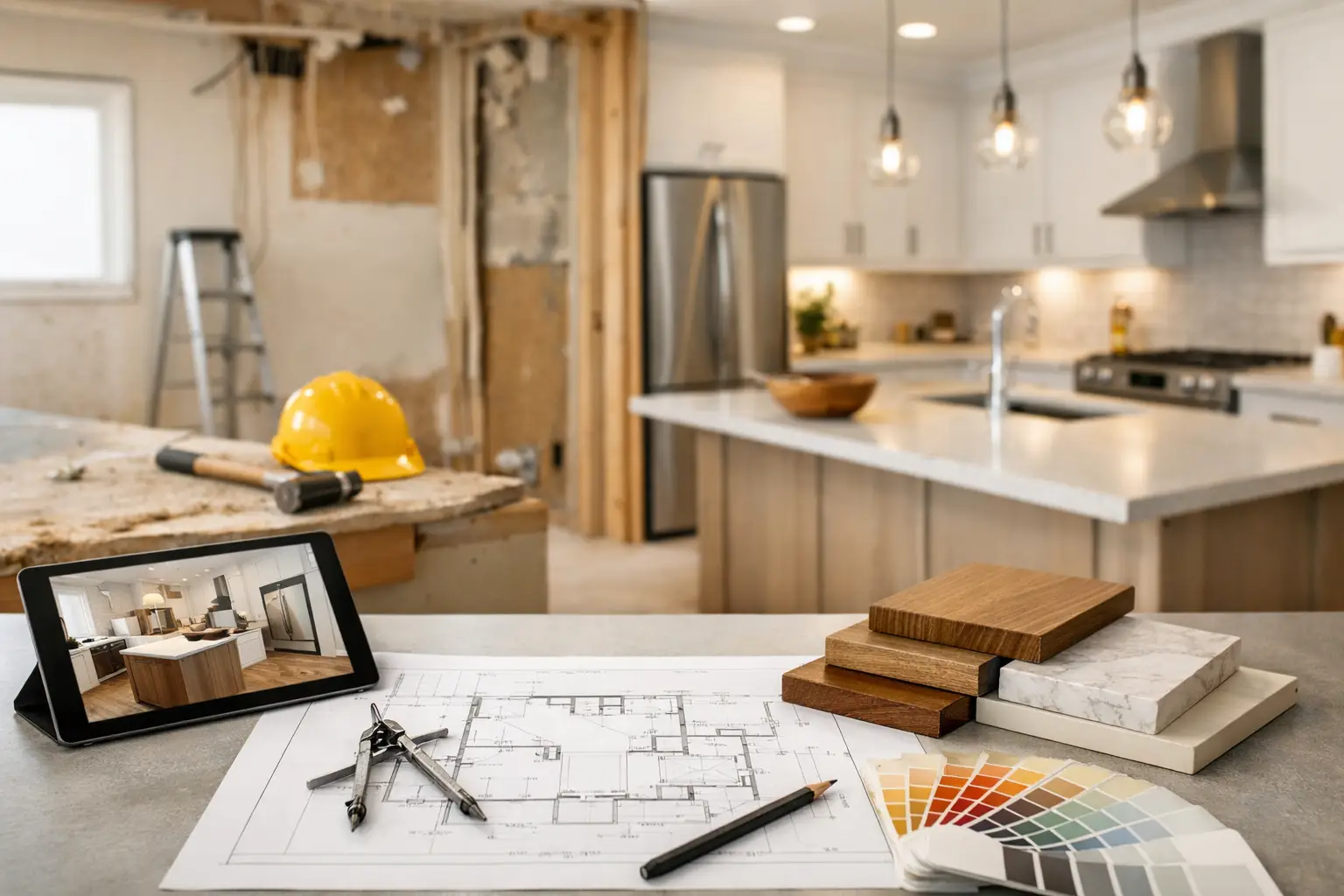
Not every problem should be solved with another patch. If a kitchen has reached the point where cabinets, counters, flooring, and fixtures are all wearing out together, a targeted remodel may be the better financial move. The same goes for bathrooms with repeated moisture issues, garages that no longer function well, or exterior areas that need more than cosmetic attention.
There is always a trade-off. Larger improvements require more budget and planning, and they may not make sense for every property. But when done thoughtfully, upgrades can lower future maintenance needs, improve tenant appeal, and create a more durable rental overall.
That is why the best maintenance conversations are honest ones. Sometimes the right answer is a straightforward repair. Sometimes it is a phased plan that starts with critical fixes and schedules upgrades later. Good service should help owners see those options clearly.
At Salida Home Services, that practical approach is what matters most. Rental owners do not need drama, vague estimates, or work that has to be redone. They need dependable help, clear communication, and repairs and improvements that make the property easier to own. When maintenance is handled with care and consistency, the whole rental works better for everyone involved.
Aurthor:
Robby Bates