.webp)
A tenant moves out on Friday, the next showing is Monday, and suddenly every small issue in the unit feels urgent. That is where real-world rental turnover repair examples become useful - not as a theoretical checklist, but as a way to prioritize what actually affects safety, appearance, and rent readiness.
For property owners and managers, turnover work is rarely about one dramatic repair. More often, it is a series of smaller fixes that add up fast: scuffed walls, loose doors, damaged trim, leaking fixtures, worn flooring, and appliances that worked fine until they didn’t. The goal is not to over-improve every unit. The goal is to make smart repairs that protect the property, reduce vacancy time, and leave the next tenant walking into a home that feels well cared for.
;
Rental turnover repair examples by category
The most common turnover repairs fall into a few predictable areas. When you know what tends to show up between tenants, it becomes much easier to budget, schedule, and avoid delays.
Walls, ceilings, and paint touch-ups
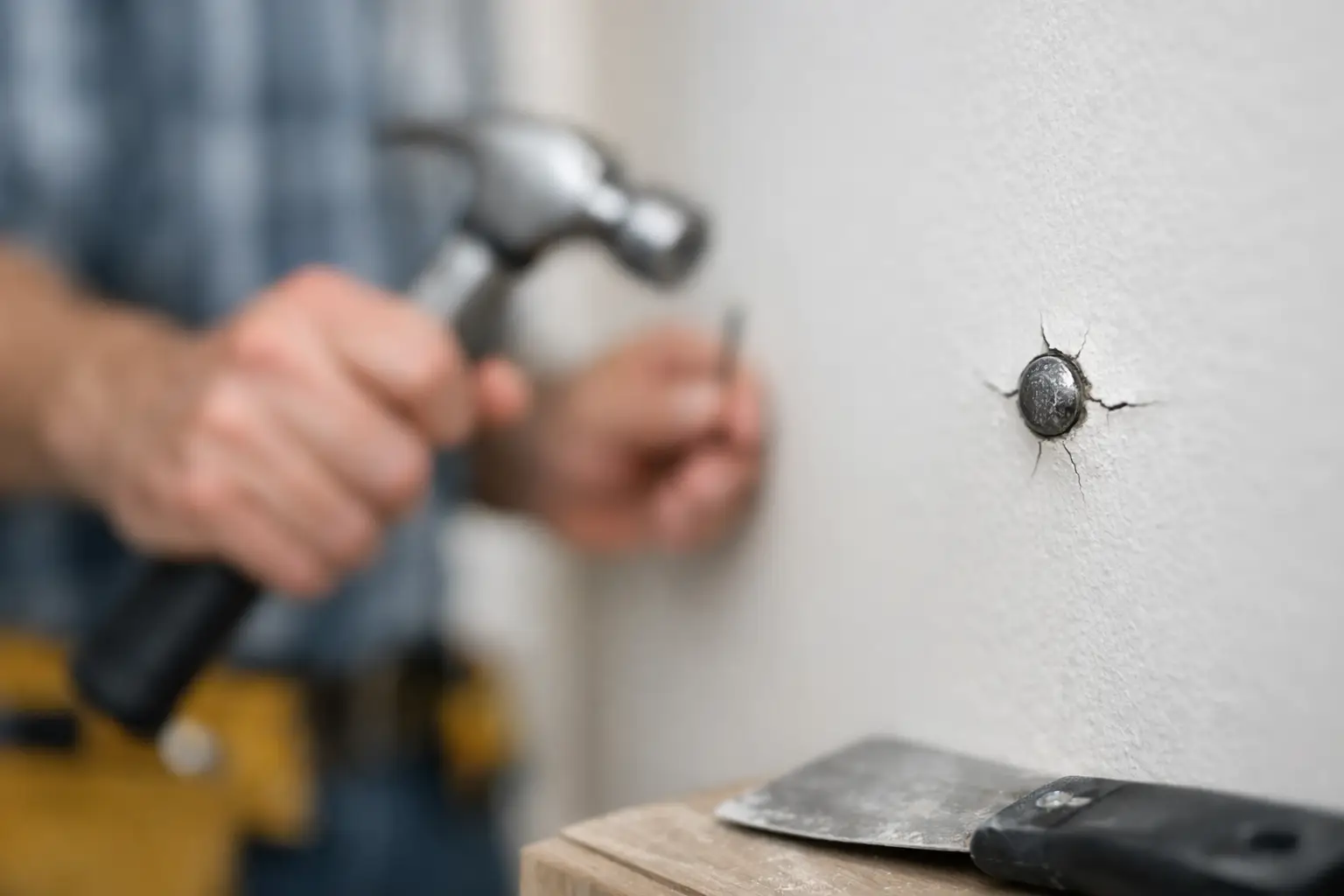
Walls take a beating in rental properties. Nail holes, anchor damage, furniture scrapes, and dents around corners are some of the most common turnover issues. In many units, the repair itself is simple. The bigger question is whether spot patching will blend well enough or whether the room needs broader paint work.
A few patched holes on a flat-painted bedroom wall may be easy to hide. A heavily scuffed hallway with mismatched sheen is different. In that case, repainting the full wall or even the full room often looks better and saves time compared with trying to disguise multiple patches.
Ceilings also deserve attention, especially if there are old water stains. A stain that has already been fixed at the source may only need sealing and paint. A fresh stain is a warning sign. During turnover, this is the right time to confirm whether you are looking at cosmetic damage or an active leak that could become much more expensive after a new tenant moves in.
Flooring repairs and replacement decisions
Flooring problems show up quickly during a vacancy because there is nothing distracting you from them. Torn vinyl, pet-stained carpet, cracked tile, and lifting transitions are all common examples.
Some flooring issues are straightforward repairs. A loose transition strip, a damaged baseboard at the floor line, or a small section of vinyl plank may be replaceable without redoing the whole room. But flooring is also one of the clearest examples of where it depends. If the material is older, discontinued, or worn unevenly, patch repairs may stand out and create a pieced-together look.
For property managers trying to control costs, it helps to think beyond the immediate invoice. A cheaper patch can make sense if the unit is otherwise in good shape and the repair is visually clean. If the flooring already looks tired, replacement may shorten future turnover work and help justify stronger rent performance over time.
Doors, locks, and hardware
Turnover is the right time to check every door and piece of hardware as if you were the incoming tenant. Bedroom doors that do not latch, closet doors that jump the track, loose hinges, bent strike plates, and sticky deadbolts are all small issues that create a bad first impression.
This is also one of the highest-value repair categories because the work is usually manageable and the benefit is immediate. A properly adjusted door closes cleanly, locks securely, and makes the whole unit feel maintained.
Sometimes the fix is simple alignment. Other times, a damaged jamb, cracked casing, or worn-out hardware needs replacement. Exterior doors matter even more. If weatherstripping is missing or thresholds are damaged, you are not just dealing with appearance. You are dealing with comfort, energy efficiency, and security.
Kitchens and bathrooms
If there is one place where turnover repairs tend to multiply, it is around sinks, toilets, tubs, and cabinets. Small leaks under a bathroom vanity can damage the cabinet floor long before anyone notices. Loose faucets, worn caulk lines, running toilets, and soft spots around tubs are also common.
These are strong examples of rental turnover repairs because they show the difference between visible wear and hidden risk. Re-caulking a tub surround may seem minor, but it can help prevent water intrusion behind walls. Tightening a toilet or replacing a failing wax ring can stop damage to subflooring. Replacing a leaking supply line under a sink is a low-cost repair compared with the cabinet and wall repairs that follow if it fails later.
In kitchens, cabinet doors often come loose at the hinges, drawer slides wear out, and laminate countertops can separate at edges or seams. Not every cabinet issue calls for replacement. Many can be corrected with hardware adjustment, hinge replacement, or modest trim repair. That is often the best path during turnover: fix what affects function and presentation without turning every vacancy into a full remodel.
Why these rental turnover repair examples matter financially
Turnover repairs are easy to underestimate because many of them look minor in isolation. A patched wall here, a faucet there, a little trim work, one damaged blind. But rental properties rarely suffer from only one issue at a time.
What matters is how those repairs affect the next lease. Deferred maintenance can slow showings, invite rent negotiations, or prompt a new tenant to submit service requests immediately after move-in. None of that is good for your schedule or your margins.
There is also a practical cost to waiting. A loose handrail can become a safety problem. A small leak can become drywall damage. An appliance issue that seems manageable during vacancy can become an emergency call once someone is living there. Turnover is the cleanest window to solve these problems with less disruption and better planning.
How to prioritize repairs between tenants
The smartest turnover plan usually starts with three buckets: safety, function, and appearance. Safety comes first, always. That includes anything involving locks, railings, electrical concerns, active leaks, broken glass, smoke detectors, or trip hazards.
Function comes next. Toilets should flush correctly, doors should close and lock, appliances should operate, exhaust fans should run, and windows should open as intended. These are not luxury items. They are baseline expectations for a rental home.
Appearance matters too, but it should be handled with discipline. Fresh paint, clean trim lines, and repaired flooring make a unit more marketable. At the same time, not every cosmetic flaw deserves a full replacement. The best turnover work is often selective. It focuses on visible results that help the home look its best while keeping the scope realistic.
A good walkthrough catches more than obvious damage
A rushed walkthrough tends to focus on what stands out. A better walkthrough tests the property. Open and close every door. Run every faucet. Flush every toilet. Check under sinks. Look at caulk lines, outlet covers, blinds, thresholds, and vent covers. Turn on lights. Inspect wall corners, baseboards, and window trim.
That kind of detail matters because the expensive problems are not always the dramatic ones. A missing piece of trim is easy to spot. A slow drip under the kitchen sink is easier to miss and more costly if ignored.
When repair is better than replacement
Property owners often ask where the line is between patching and replacing. The honest answer is that it depends on age, condition, matchability, and how long you plan to keep the unit in service before a larger update.
Repair is usually the better move when the damaged area is limited, the material can be matched well, and the fix restores both function and appearance. Replacement makes more sense when the surrounding materials are already worn out, the repair will look obvious, or repeated patching is starting to cost more than doing it right the first time.
This is where having a contractor who can handle a broad range of turnover tasks comes in handy. You do not need five separate calls to decide whether a problem belongs in paint, carpentry, flooring, or plumbing. You need a practical assessment, clear pricing, and direct communication if the scope changes once work begins. That is especially valuable for busy owners and managers trying to keep a vacancy from stretching into another week.
The goal is a unit that feels cared for
The best turnover repairs are not always the most expensive ones. Often, they are the ones that remove friction for the next tenant: the door that finally latches, the wall that no longer looks battered, the faucet that stops dripping, the floor that feels solid underfoot. Those details tell people something important before they ever unpack a box.
If you manage rentals in the Arkansas River Valley, that kind of consistency matters. A well-prepared unit rents more easily, creates fewer early complaints, and gives you a stronger starting point for the next lease. Helpful turnover work is not about making a rental perfect. It is about making it dependable, presentable, and ready for the next chapter.
Aurthor:
Robby Bates