Fresh paint changes more than the color on the wall. Done right, interior house painting services can make a home feel cleaner, brighter, newer, and better cared for without the cost or disruption of a full remodel. Done poorly, the flaws show up fast - uneven coverage, visible patch marks, peeling edges, and trim lines that never look quite right.
That is why painting is one of those projects that seems simple until you are living with the result every day. Homeowners and property managers usually are not just buying paint. They are paying for prep work, steady workmanship, clean lines, clear communication, and a finished space that feels worth the investment.
What good interior house painting services actually include
A reliable painting job starts long before the first coat goes on. The quality of the finish depends on the condition of the surfaces underneath it. Small dents, nail holes, old repairs, hairline cracks, stains, and rough texture all affect the final look. If those issues are rushed or ignored, even premium paint will not hide them.
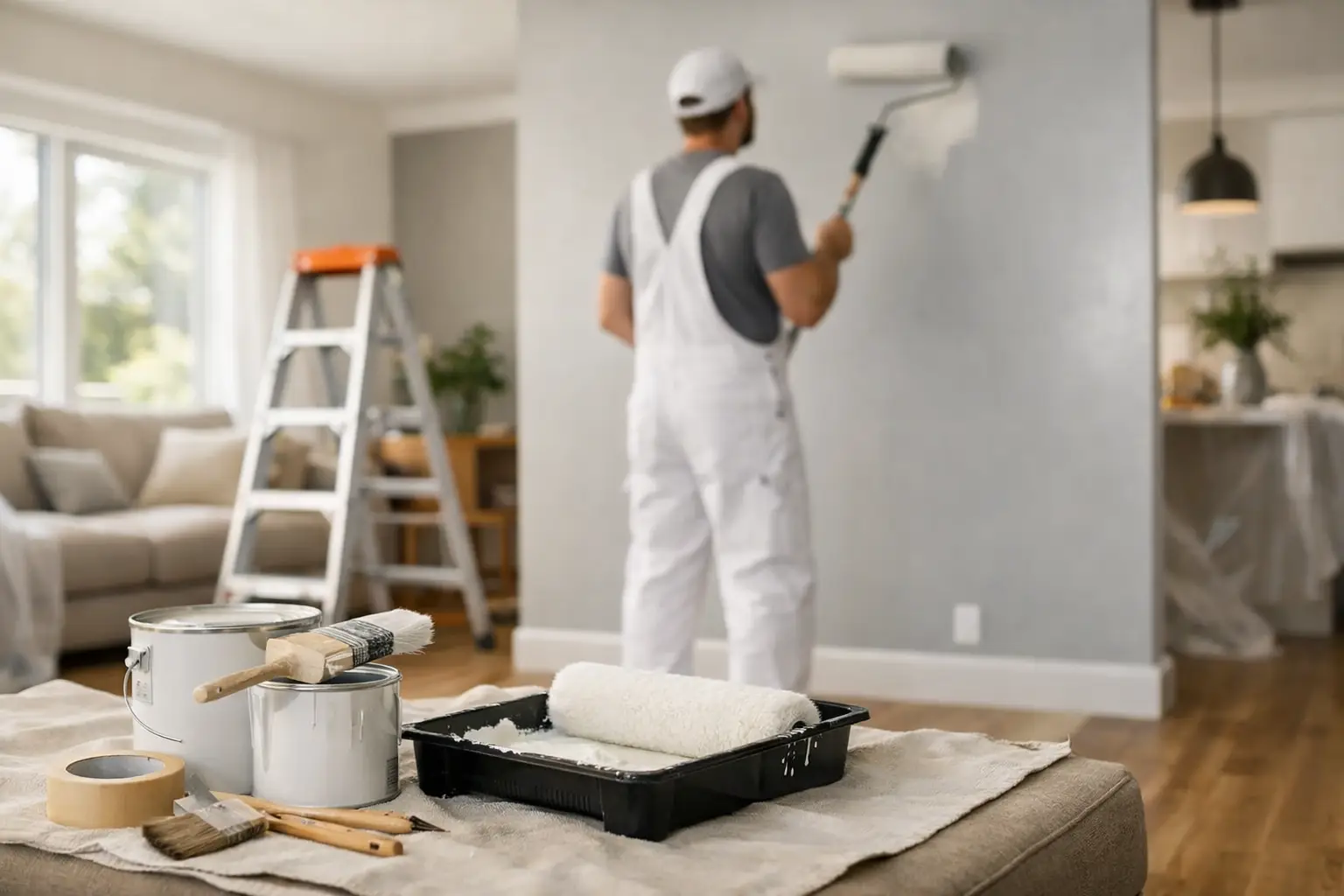
Professional interior house painting services should include a clear plan for protecting floors, furniture, and adjacent surfaces, along with patching, sanding, caulking where needed, and priming when conditions call for it. That last part matters. Not every room needs the same process. A bathroom with moisture exposure, a high-traffic hallway, and a ceiling stained by an old leak all require different judgment.
Trim, doors, walls, and ceilings also need to be treated as separate surfaces, not one big paint job. Each area has its own wear patterns, sheen considerations, and prep requirements. A contractor who understands that will talk through the details rather than make a vague promise to "paint the room."
Why prep work matters more than the paint label
Homeowners often ask about brand, color, or finish first, and those are fair questions. But the lasting quality of a painted room usually comes down to prep. Paint highlights defects. It does not erase them.
When walls are properly cleaned, patched, sanded, and primed as needed, the finish looks smoother and lasts longer. Edges look sharper. Touch-ups blend better later. Doors close without sticking from heavy drips. Trim does not show old chips under glossy paint. These details may not stand out in a sales conversation, but they absolutely stand out once the room is back in use.
There is also a practical side to prep that busy homeowners appreciate. Good masking, floor protection, and jobsite cleanliness reduce stress during the project. If you are living in the home while work is happening, that matters almost as much as the final color.
Choosing the right rooms to paint first
Not every home needs a whole-house repaint at once. Sometimes the smartest move is to start where wear is most visible or where the update will have the biggest daily impact.
Living rooms, kitchens, hallways, and primary bedrooms are common priorities because they are frequently used and strongly affect how the home feels. Rental properties may need a different approach. There, neutral walls, durable finishes, and quick turnaround often matter more than custom color choices. In second homes or vacation properties, the priority may be freshening up sun-faded rooms or correcting scuffs after seasons of guest use.
It depends on your goals. If you are preparing to sell, painting may be about broad appeal and a clean first impression. If you plan to stay long term, the better question is which spaces will improve your comfort the most.
Color and finish decisions that affect the result
Color gets most of the attention, but the finish can make or break a room's practical performance. Flat finishes can hide wall imperfections, which is helpful in older homes, but they may be harder to clean in high-traffic areas. Eggshell or satin often gives a better balance of appearance and durability for walls. Semi-gloss is a common choice for trim, doors, and bathrooms because it handles moisture and cleaning better.
Natural light also changes everything. A paint color that looks warm and soft in the store can read cool or dull at home, depending on window direction, flooring, and surrounding finishes. That is one reason samples and real-world evaluation matter. The right choice is not just about what looks good on a swatch. It is about what looks right in your home, in your lighting, with your surfaces.
For many homeowners, this is where an experienced contractor adds value. A good recommendation is not about pushing trends. It is about helping you avoid choices that look too yellow, too gray, too glossy, or too dark once they are on the wall.
Interior house painting services for occupied homes
Painting an empty home is simpler. Painting an occupied one takes more planning and more respect for the people living there. Rooms may need to be completed in phases. Furniture may need careful moving and resetting. Household schedules, pets, children, remote work, and tenant coordination can all affect how the project should be staged.
This is where communication matters as much as craftsmanship. Homeowners want to know what is happening each day, what needs to be cleared, how long a room will be out of use, and whether any repairs discovered during prep will change the scope. Property managers want the same clarity, just on a tighter schedule.
A dependable contractor does not make those details feel like surprises. They explain the process, maintain a controlled work area, and speak up before making changes. That kind of accountability makes the project easier from start to finish.
When painting is also a repair project
A lot of interior painting jobs aren't just painting jobs. They also involve drywall repair, texture matching, trim touch-ups, water stain correction, caulking gaps, and repairing minor damage that has accumulated over time. In older homes especially, the condition of the walls often determines how simple or complex the work will be.
That is why one-size-fits-all pricing can be misleading. Two bedrooms may be the same size, but require very different labor. One may need only light patching and repainting. The other may need crack repair, stain-blocking primer, baseboard work, and extra sanding to get a clean finish.
For homeowners, the benefit of working with a contractor who handles broader interior repairs is that those issues can be addressed under a single scope of work instead of becoming a series of separate appointments. If a wall needs repair before paint, or trim needs adjustment before finishing, the work can move forward without unnecessary delays.
What to ask before hiring a painter
The best questions are usually simple. Ask what prep is included, how surfaces will be protected, what happens if hidden repairs are found, and whether the estimate covers walls, ceilings, trim, doors, or only some of them. Ask how touch-ups are handled and whether the crew will clean up daily.
You should also pay attention to how the answers are given. Clear, direct communication early on is usually a good sign of how the project will be managed later. Vague language often leads to vague expectations.
For local homeowners in places like Salida and Poncha Springs, trust also comes from knowing the contractor is accountable to the community. That shows up in how they price, how they communicate, and how seriously they take the condition of your home.
The real value of a professional paint job
Interior painting is one of the most visible updates you can make, but its value is not only visual. It can make worn spaces feel cared for again. It can help a rental turn faster, make a home easier to market, or give you the momentum to tackle other updates that have been waiting. Most of all, it can remove the daily irritation of looking at damaged, outdated, or poorly finished walls.
A well-painted room should not call attention to the work itself. It should simply feel right when you walk in - clean lines, consistent color, smooth coverage, and a finish that holds up to real life. That is what homeowners are really looking for when they invest in interior house painting services.
If you are thinking about painting, start with the areas that bother you most and ask for a scope that accurately reflects the space's actual condition. The best results come from honest planning, careful prep, and work done with respect for the home you live in.
Aurthor:
Robby Bates
.webp)