Turnover tells the truth about flooring. A product can look great on day one, but if it chips, stains, or starts curling after one tenant, it was never the right choice. When owners ask about the best flooring for rental property upgrades, the real answer usually comes down to one thing: how well it holds up between leases without creating constant repair costs.
That is why flooring decisions for rentals need to be practical first. Appearance still matters. Tenants notice clean, updated floors right away, and better-looking units often rent faster. But for most property owners and managers, the better question is not simply what looks best. It is what will stay attractive, handle wear, and make sense for the budget over several years.
How to choose the best flooring for a rental property use
A rental floor has a harder job than flooring in a typical owner-occupied home. It has to withstand furniture moves, dropped items, pets, wet boots, everyday traffic, and cleaning products from multiple households. In mountain communities like Salida and nearby areas, it may also deal with dirt, snow, gravel, and big swings between dry and wet conditions.
a That changes the buying criteria. Durability matters more than trendiness. Water resistance matters more than a premium finish. Ease of spot repair matters more than a perfect showroom look. If a floor is expensive to install but saves you from repeated patch jobs and early replacement, it can still be the smarter investment.
The right choice also depends on the type of rental. A long-term family rental has different demands than a small apartment, a second-home rental, or a property with frequent turnover. There is no single product that wins in every case, but there are clear front-runners.
Best flooring for rental property owners: what works and why
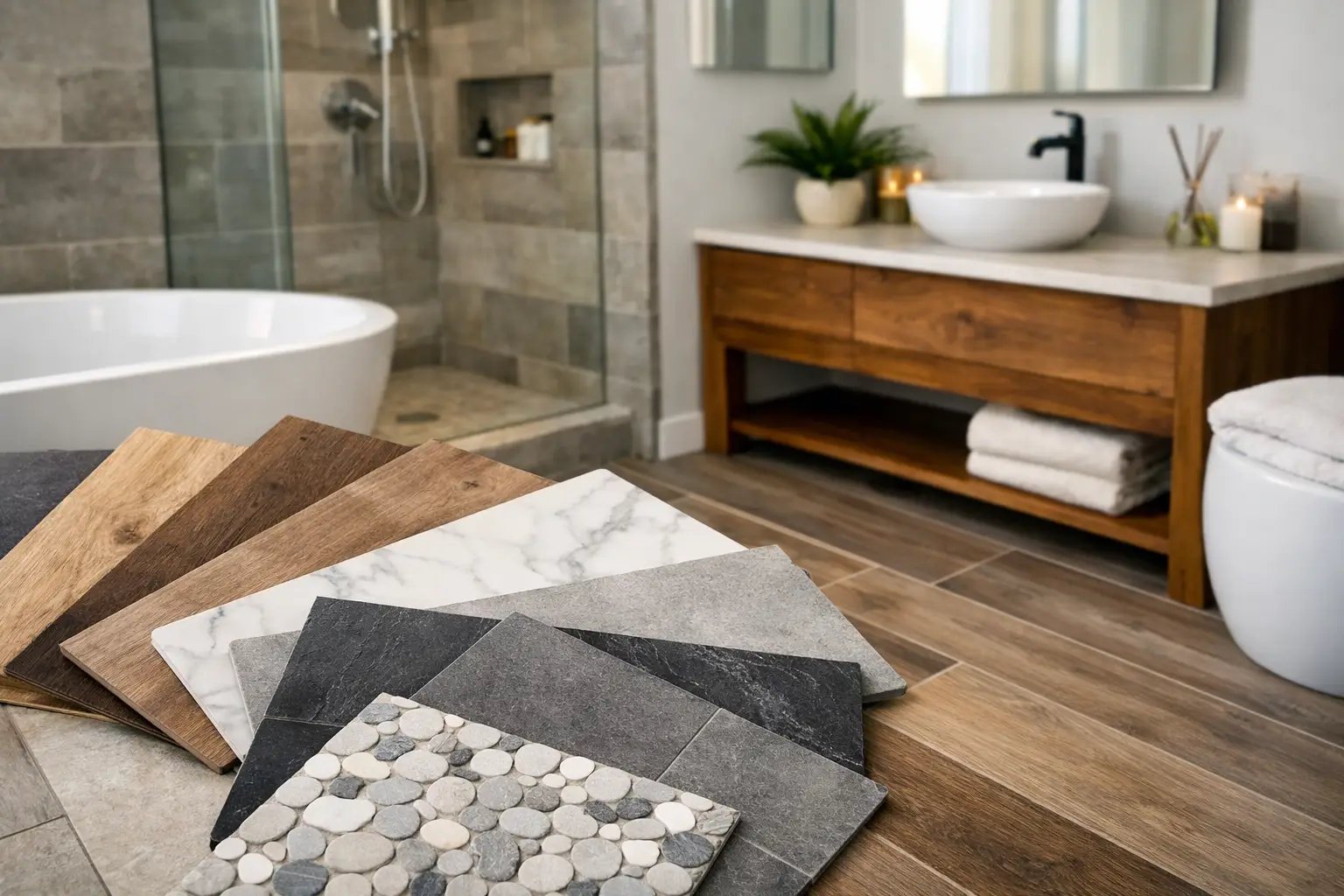
For most rentals, luxury vinyl plank is the strongest all-around option. It gives you a clean, updated wood-look finish without the maintenance headaches of real hardwood. Good-quality LVP resists moisture, handles daily wear well, and is usually easier to replace in sections if damage happens. For property owners trying to balance appearance, durability, and cost, it is often the safest bet.
Laminate can also work, but it is more moisture-sensitive. In dry areas like bedrooms and living rooms, it may perform well when properly installed and paired with a quality product. In kitchens, entries, bathrooms, or any area where spills are likely, laminate is a riskier choice. Once water enters the joints or the surface, swelling and edge damage can follow.
Tile is one of the most durable options, especially in bathrooms, laundry rooms, mudrooms, and some kitchens. It handles water well and can last a long time. The downside is that tile is harder and colder underfoot, grout needs maintenance, and installation costs are higher. In some rentals, that trade-off makes sense. In others, especially where speed and budget matter, tile is better used selectively rather than wall-to-wall.
Sheet vinyl still has a place in budget-conscious rentals, particularly in small bathrooms or utility spaces. It is affordable, water-resistant, and simple to maintain. It does not offer the same upgraded look as LVP, but in the right setting, it can be a dependable, low-fuss option.
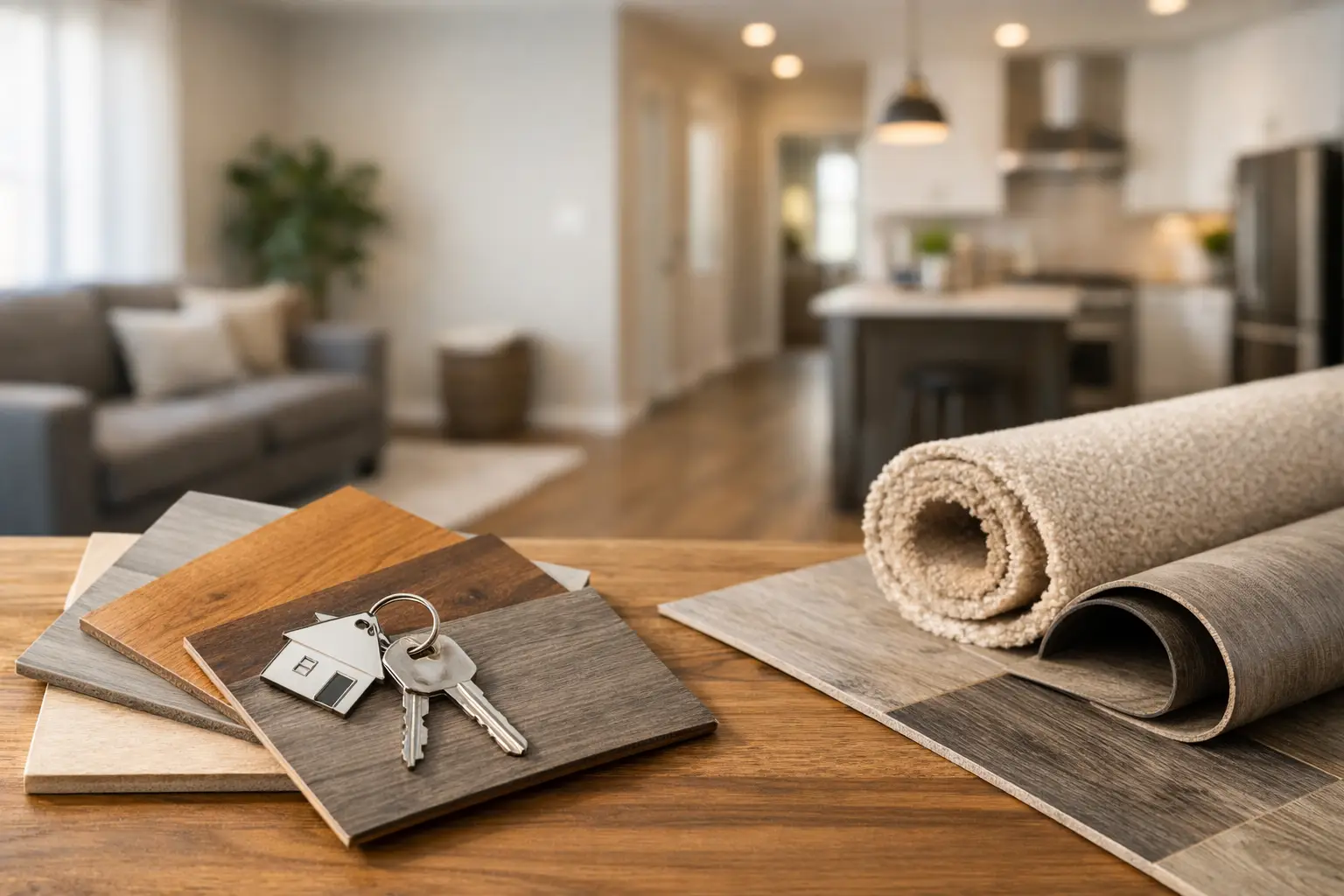
Carpet is where many rental owners hesitate, and for good reason. It feels warm and helps control sound, which can matter in bedrooms or upstairs units. But it also stains, traps odors, and tends to show wear faster than hard-surface flooring. In lower-turnover properties with careful tenants, carpet in bedrooms may still make sense. In high-turnover rentals or pet-friendly units, it usually becomes a recurring replacement expense.
Hardwood is attractive, but in most rentals, it is not the most practical answer. It scratches, dents, and reacts to moisture. It can be refinished, which is a long-term advantage, but refinishing means downtime and extra cost. In a premium rental where market expectations support it, hardwood may be worth preserving. For most standard rental upgrades, other materials deliver a better return with fewer headaches.
Room-by-room flooring decisions matter
One mistake owners make is trying to force one product into every room just to simplify the job. Sometimes that works. Often, it creates weak spots.
Living rooms, hallways, and bedrooms usually benefit from durable hard-surface flooring, especially if the goal is easier cleaning and fewer replacements between tenants. Luxury vinyl plank performs well in these spaces because it provides the unit with a consistent look and handles traffic well, with minimal maintenance.
Kitchens, bathrooms, laundry areas, and entry points need more attention to water resistance. This is where LVP, tile, or sheet vinyl generally outperform laminate and carpet. If tenants are coming in with wet shoes or snow, the floor near the door needs to withstand abuse without swelling, staining, or creating a slip hazard.
In multi-level rentals, sound can also affect the decision. Some upper-floor units benefit from carpet in bedrooms or sound-rated underlayment beneath hard-surface flooring. The best answer is not always the cheapest one. It is the one that prevents noise complaints, early wear, and constant maintenance calls.
Cost matters, but replacement cycle matters more
It is easy to focus only on the upfront price. That can lead to flooring that saves money during installation and costs more over the next three years.
A lower-cost product that needs replacement after one or two rough tenancies is rarely a bargain. On the other hand, the most expensive material is not automatically the best value either. The sweet spot for many rentals is a mid-range flooring product with proven durability and straightforward maintenance.
This is where experienced installation matters just as much as material selection. Even a good floor can fail early if the subfloor is uneven, moisture issues are ignored, or transitions are installed poorly. Loose edges, lifting planks, squeaks, and cracked surfaces often trace back to preparation problems, not just the flooring itself.
For property owners, the real number to consider is the cost over time. That includes installation, cleanup, repairs, vacancy time, and the frequency with which the floor needs to be replaced. A product that rents well and stays serviceable through multiple tenant cycles is usually the better business decision.
What to avoid in most rentals
Soft wood flooring, low-grade carpet, and bargain laminate often look appealing at the store and disappointing after a lease term. These products may work in a lightly used guest room, but rentals are rarely lightly used.
Very textured flooring can also create cleaning issues. Deep grooves and uneven surfaces tend to trap dirt, making turnover cleaning more labor-intensive. High-gloss finishes are another common problem because they show every scratch, footprint, and scuff.
It is also smart to avoid choosing flooring based only on current design trends. Rental interiors should feel clean, current, and broadly appealing. Extreme colors, unusual patterns, or highly specific styles can limit the unit's appeal and date it faster than a simple, neutral finish.
The best flooring choice depends on the property
A newer single-family rental with higher monthly rent may justify better materials than a small unit where budget control is the top priority. A pet-friendly rental needs tougher surfaces than a no-pet property. A mountain-area home with mud, snow, and outdoor gear needs more water and scratch resistance than a low-traffic second home.
That is why good flooring decisions start with the property itself, not with a one-size-fits-all rule. If the goal is fewer maintenance issues, faster turnarounds, and a clean, long-lasting look, luxury vinyl plank usually takes the lead in the conversation. If a bathroom or laundry area is the problem spot, tile or sheet vinyl may be the smarter answer there. If noise control matters upstairs, selective carpet can still earn its place.
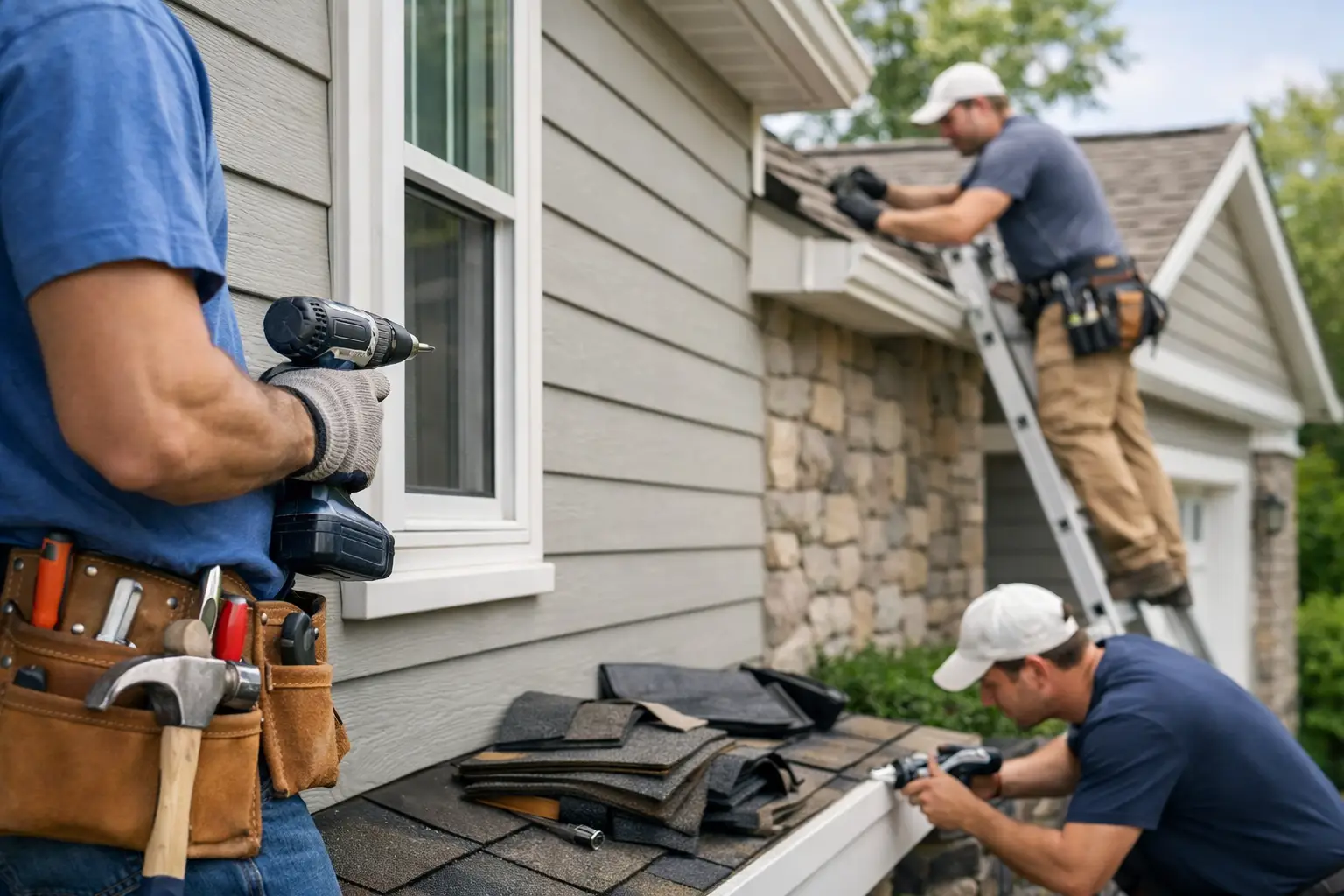
At Salida Home Services, this is the kind of decision we help owners think through in practical terms - not just what looks good today, but what will still make sense after the next tenant moves out.
The best rental flooring is the one that keeps working when life gets messy. Choose wear, moisture, cleaning, and repair first, and the good-looking result tends to follow.
Aurthor:
Robby Bates