A kitchen can start feeling tired long before it actually stops working. Maybe the cabinets still close, but the doors are worn, the lighting is dim, and the whole room feels harder to use than it should. That is where smart, small kitchen update examples can make a real difference. You do not always need to gut the space to make it look better, work better, and feel more enjoyable every day.
For most homeowners, the goal is not chasing a showroom kitchen. It is making the space cleaner, brighter, more functional, and easier to live with. If you manage a rental or second home, the goal may be durability and broad appeal. Either way, the best small updates solve a specific problem instead of creating a bigger project than you wanted.
Why small kitchen updates often make more sense
A full remodel has its place, but it also comes with more cost, more downtime, and more decisions. Smaller updates let you improve the room in stages. That can be the right move if your kitchen layout still works, your cabinets are structurally sound, or you want to stretch your budget without ignoring the space any longer.
Small updates also tend to give faster results. If your biggest frustrations are poor lighting, dated hardware, damaged trim, or limited storage, those are often fixable without tearing everything out. The key is choosing upgrades that fit the condition of your kitchen, not just what looks good in a photo.
Small kitchen update examples with the biggest payoff
1. Paint or refinish cabinets instead of replacing them
If your cabinet boxes are solid, painting or refinishing them can completely change the look of the room. This is one of the most effective small kitchen update examples because cabinets take up so much visual space.
A lighter color can brighten a dark kitchen and make it feel larger. A deeper color can add contrast and hide everyday wear a bit better. The trade-off is that prep matters. If cabinets are greasy, chipped, or poorly painted to begin with, shortcuts show fast. Done right, though, this update can make an older kitchen feel current without the cost of full cabinet replacement.
2. Replace cabinet hardware
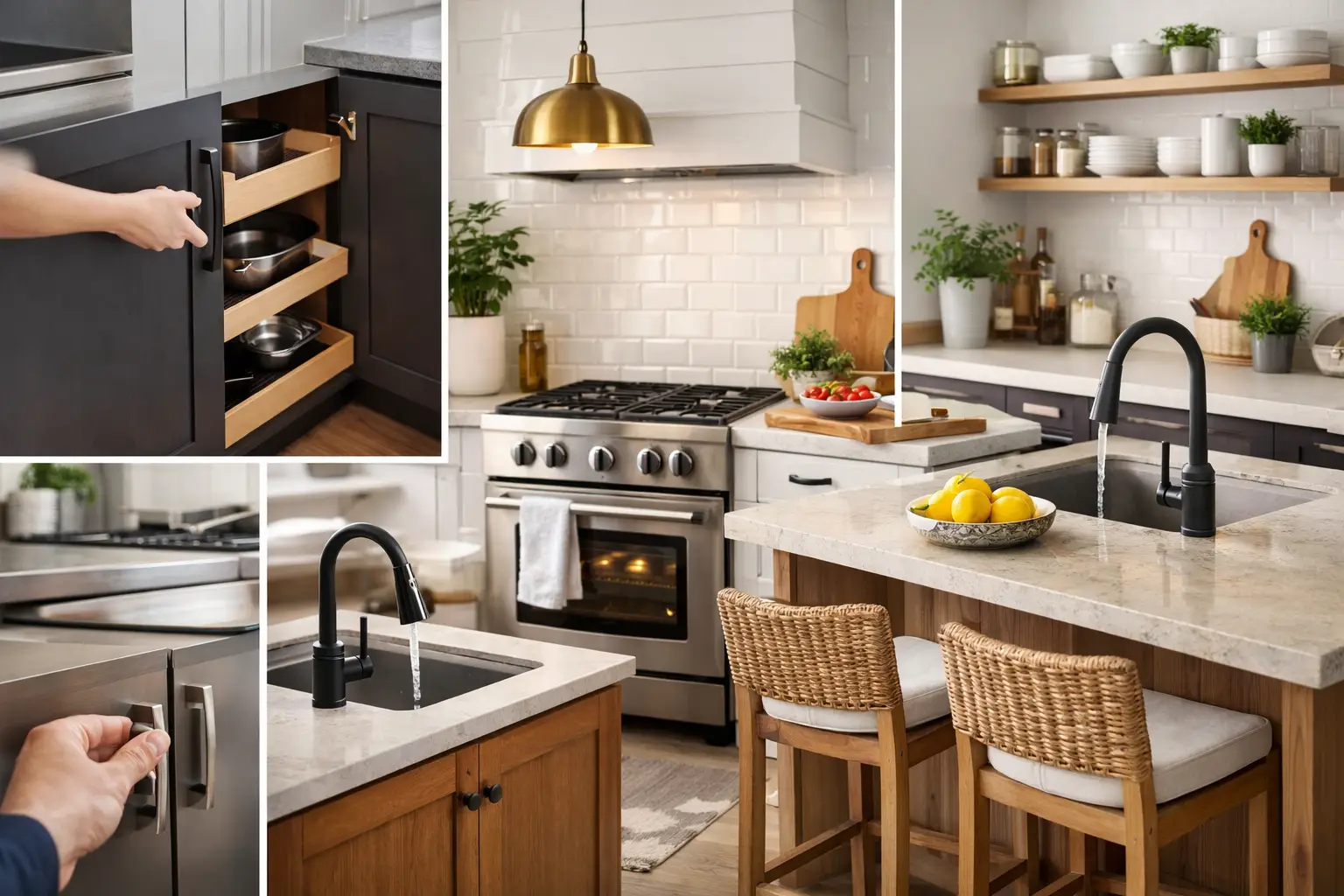
New knobs and pulls are a small detail that people notice right away. Swapping outdated hardware for something cleaner and more functional can make cabinets feel newer, even if the cabinet doors stay the same.
This update works best when it matches the style of the kitchen and the scale of the doors and drawers. Oversized bar pulls can look sharp in some spaces, but they are not always the best fit for a modest kitchen. Sometimes a simple, well-made knob or cup pull is the better call.
3. Upgrade the lighting where you actually work
A lot of kitchens have a single overhead light that leaves counters in shadow. Better lighting changes both the look and the function of the room. Under-cabinet lights, a brighter ceiling fixture, or well-placed task lighting over key prep areas can make cooking, cleaning, and everyday use much easier.
This is one of those updates that sounds minor until you live with it. Good lighting makes the kitchen feel cleaner and more welcoming. It can also highlight improvements like fresh paint or a new backsplash. If wiring changes are needed, that can increase the scope, so it helps to know whether you are doing a simple fixture swap or something more involved.
4. Install a backsplash
A backsplash can protect the wall and give the kitchen a finished look. It is especially useful behind the stove and sink, where splashes and stains build up over time.
Classic tile works in most homes because it is durable and easy to clean. A simple pattern usually ages better than something overly trendy. If the counters and cabinets already have a lot going on, keeping the backsplash quiet often gives the best result. If the kitchen is plain, this is one place where a little texture or color can add personality without overwhelming the room.
5. Replace laminate or worn countertops
Countertops get used hard, and damage shows. If yours are chipped, swollen, stained, or just difficult to clean, replacing them can make the whole kitchen feel more solid and cared for.
You do not have to jump straight to the most expensive material. There is a wide range of options depending on how you use the kitchen, what maintenance you want, and how long you plan to stay in the home. For rentals or busy households, durability often matters more than making a dramatic statement. For a primary home, the right counter can become the upgrade that ties the whole room together.
Small kitchen updates that improve daily function
6. Add pull-out shelves or better interior storage
Sometimes the kitchen looks fine but works poorly. Deep lower cabinets, awkward corners, and crowded drawers make everyday tasks harder than they need to be. Pull-out shelves, drawer organizers, tray dividers, and simple pantry improvements can turn wasted space into useful storage.
This kind of update is not always the most visible, but it often delivers the biggest daily payoff. It is especially helpful in smaller kitchens where every inch matters. For property managers, it can also make a rental feel more thoughtful and practical without a major renovation.
7. Replace the faucet and sink accessories
An older faucet can date the room quickly, and if it leaks, sprays poorly, or feels loose, it becomes an irritation you deal with every day. A new faucet with better reach and function can improve the kitchen more than people expect.
If the sink itself is still in good shape, you may not need to replace it. Sometimes the better move is upgrading the faucet, disposal, or drain components and tightening up the surrounding caulk and trim. It depends on whether the issue is appearance, performance, or both.
8. Refresh flooring in a way that fits the rest of the house
Kitchen floors take a beating. If the flooring is cracked, peeling, stained, or hard to keep clean, replacing it can make the entire space feel fresher. The best choice is not always the flashiest one. You want something durable, easy to maintain, and appropriate for the traffic the room gets.
Continuity matters here. If you are updating only the kitchen, the new floor should still feel connected to nearby spaces. A floor that looks great on its own but clashes with the rest of the home can make the kitchen feel more pieced together, not less.
9. Improve trim, caulk, and paint details
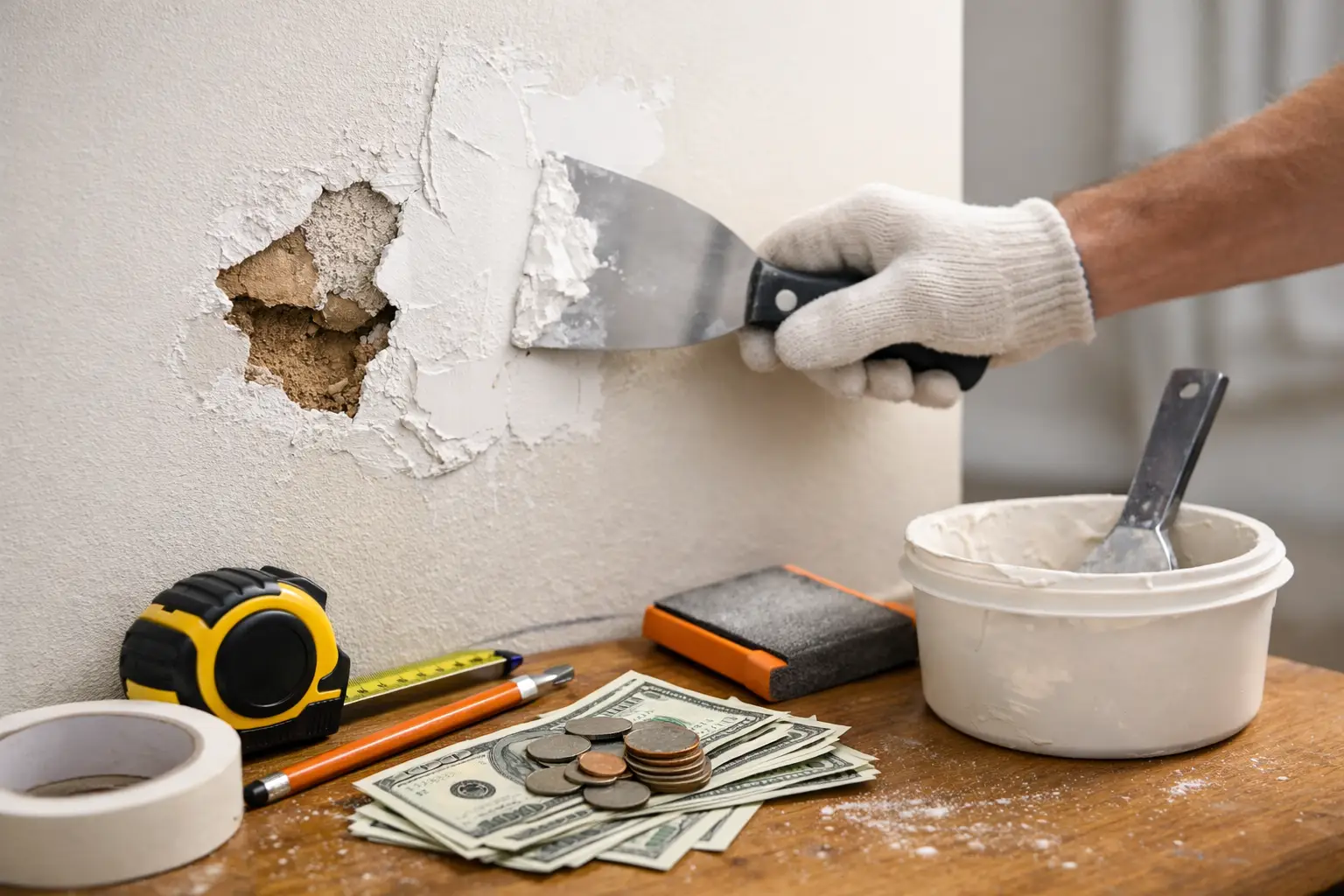
Not every update needs to be a headline project. Worn trim, cracked caulk, scuffed walls, and rough transitions around cabinets or counters can quietly drag the room down. Cleaning up those details gives the kitchen a more finished, better-maintained appearance.
This is often the right move when the bigger elements are still serviceable, but the space feels neglected. It is also one of the smartest ways to prepare a home for sale or improve a rental between tenants. Small finishing work signals care, and buyers and renters notice that.
10. Create a more usable layout without a full remodel
Not every layout problem requires tearing the kitchen to the studs. In some cases, removing a small obstruction, adjusting an appliance location, adding open shelving in the right spot, or improving the flow between work areas can make the room function better without a full redesign.
This is where experience matters. A change that sounds minor on paper can affect plumbing, electrical, flooring, or cabinetry. The goal is to look for targeted layout improvements that solve a real problem without triggering unnecessary cost. Salida Home Services often helps homeowners think through that middle ground - not just whether something can be changed, but whether it should be.
How to choose the right update for your kitchen
The best starting point is to ask what bothers you most when you use the space. If the kitchen is dark, start with lighting. If it looks dated but works fine, cabinets, hardware, and paint may be enough. If it feels cluttered, storage improvements will probably matter more than cosmetic upgrades.
Budget matters, but so does sequence. New countertops may not make sense if cabinets are about to be painted. A backsplash usually comes after the counters. Flooring can get more complicated if appliances or cabinet changes are coming next. Even small projects go more smoothly when they are planned in the right order.
It also helps to be honest about condition. Some kitchens are good candidates for selective updates. Others have enough wear, water damage, or layout issues that patching one thing after another stops making financial sense. A trustworthy contractor should be willing to tell you both.
A small update should still feel like a real improvement
There is nothing wrong with wanting a kitchen that simply feels better to walk into every morning. The right updates can make the space brighter, easier to clean, more functional, and more comfortable without turning your home upside down. A good project is not always the biggest one. Often, it is the one that solves the right problem at the right time.
If your kitchen is close to working but not quite there, small changes can go a long way. Start with what you use every day, focus on improvements that match your home and budget, and choose work that will hold up well over time.
Aurthor:
Robby Bates