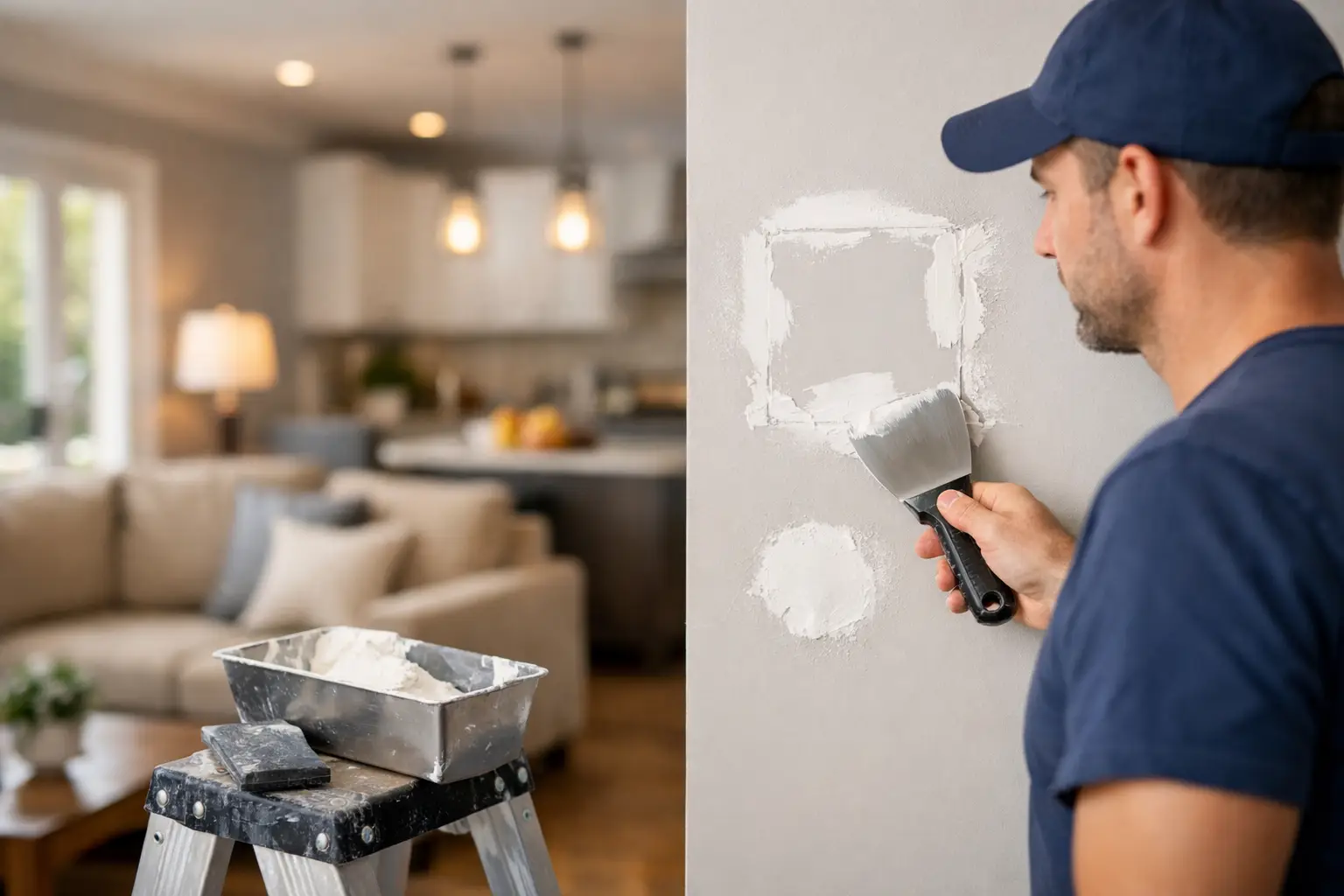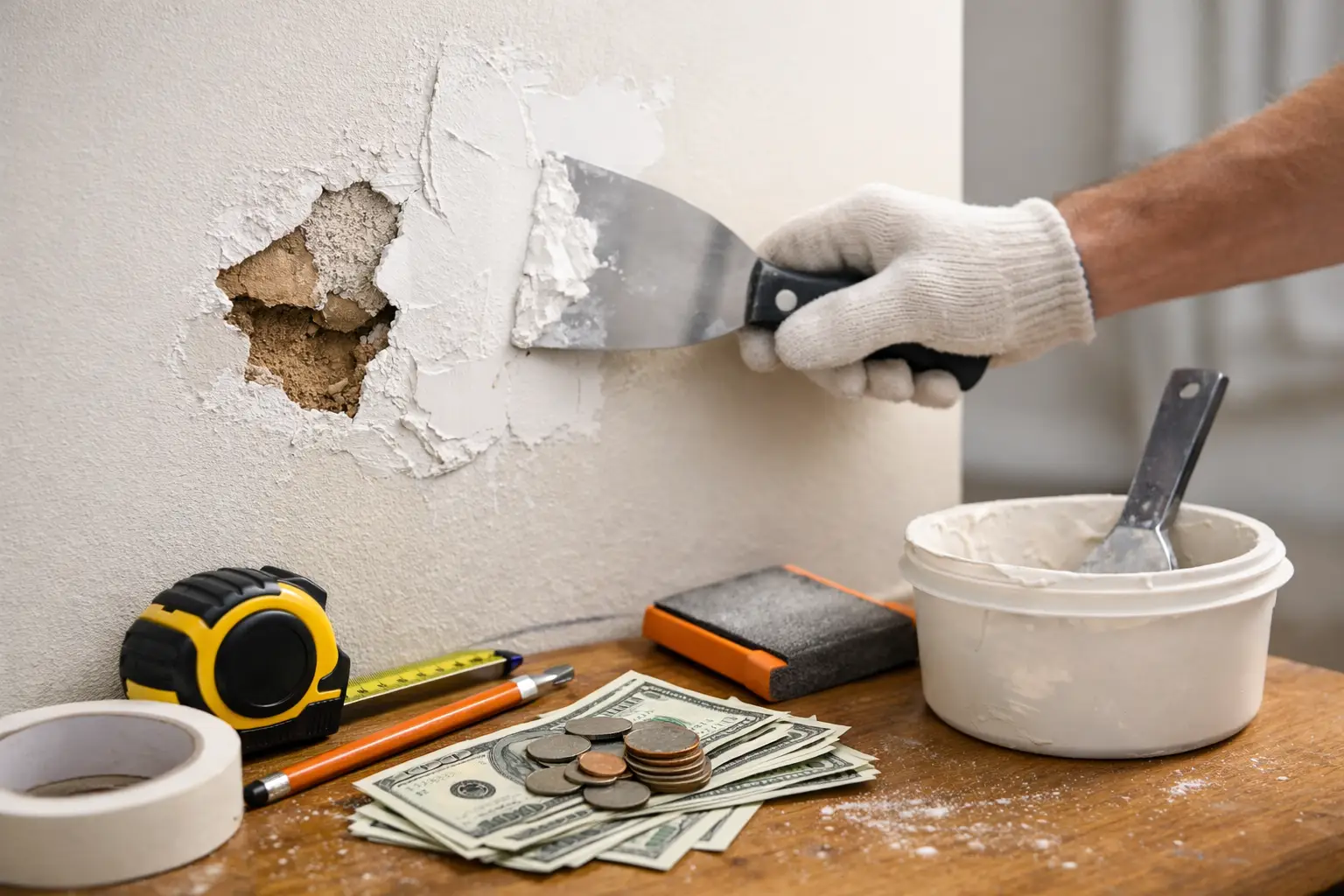
A doorknob hole in the hallway is one thing. A ceiling stain that starts to sag is something else entirely. If you are asking how much drywall repair costs, the honest answer is that it can be a quick, affordable fix or a more involved repair, depending on what caused the damage, how visible it is, and whether there is anything hidden behind the wall.
For most homeowners and property managers, drywall repair usually falls somewhere between a minor patch job and a larger restoration project that includes texture matching, repainting, and sometimes fixing the issue that caused the damage in the first place. The key is knowing what drives the price so you can tell the difference between a simple repair and a problem that needs more attention.
How much does drywall repair cost on average?
In many homes, basic drywall repair costs start around $150 to $300 for small cosmetic damage. That might cover nail pops, small dents, minor cracks, or a small hole from an accidental impact. Once the repair gets larger, more visible, or more complicated, pricing often moves into the $300 to $800 range.
For bigger repairs, especially on ceilings or areas with water damage, the cost can climb higher. If drywall needs to be cut out and replaced, texture has to be matched carefully, or insulation or framing issues are discovered, a repair may run $800 to $1,500 or more. That does not mean every damaged wall is a major project. It just means drywall pricing depends heavily on scope.
A contractor is not only charging for the patch itself. You are also paying for site protection, prep work, cutting and fitting materials, taping, mudding, sanding, texture blending, and the labor required to make the repair disappear as much as possible.
What affects drywall repair cost?
The biggest factor is the size of the damaged area, but it is far from the only one. A small hole in a flat wall is usually straightforward. A damaged ceiling corner with texture, water staining, and repainting needs more time and more skill.
Size and depth of damage
Tiny dents and nail holes are typically inexpensive because they require minimal material and labor. Medium holes, such as those caused by a door handle or a wall anchor failure, often require a stronger patch and multiple coats of compound. Large holes or broken sections of drywall usually require a full cut-out and replacement.
Depth matters too. Surface scuffs are simple. Damage that reaches through the drywall or affects tape joints takes more work to restore correctly.
Wall versus ceiling
Ceiling repairs usually cost more than wall repairs. Working overhead is slower, messier, and often more difficult to blend. If the ceiling has a texture finish, matching that texture can take extra time. If there is a stain from a roof leak or plumbing issue, the source should be addressed before the drywall is repaired, or the damage may come back.
Texture matching and finish quality
A smooth wall in a low-traffic utility room is one thing. A repair in a main living area with existing orange peel, knockdown, or hand-applied texture is another. Texture matching is where many cheap repairs fall short. The patch may be solid, but if it stands out every time you walk by, it was not really repaired well.
This is one reason two quotes for the same hole can look very different. One may cover a functional patch. Another may include detailed finishing work to ensure the repair blends cleanly with the surrounding surface.
Paint and color blending
Some drywall repairs stop at a ready-to-paint finish. Others include primer and paint. If the wall color is older or sun-faded, touching up only the repair area may leave a noticeable difference. In that case, repainting the entire wall or ceiling section often yields the best result, but it increases the total cost.
Cause of the damage
Drywall damage from normal wear is usually the simplest kind of repair. Damage caused by water, settling, humidity, structural movement, or a plumbing leak can turn into a broader project. If the underlying issue remains active, patching the drywall alone is only a temporary fix.
That is where a good contractor earns their keep. It is not just about covering the damage. It is about identifying whether the wall is safe to repair as-is or whether something else needs attention first.
Common drywall repair scenarios and price ranges
A small hole from a doorknob, anchor, or accidental bump is often one of the least expensive repairs. Homeowners typically spend around $150 to $350, depending on finish level and whether painting is included.
Stress cracks along seams or above doors and windows often fall in the $200-$500 range. These repairs may look minor, but they can take more labor than expected because the crack usually has to be opened up, re-taped, mudded, and sanded rather than simply filled.
A larger wall cut-out, such as one caused by moving furniture, rough tenant wear, or an opening made for plumbing or electrical work, may cost $300 to $800. If the patch is in a highly visible room and needs texture and paint blending, expect the higher end of that range.
Ceiling repairs typically start around $300 and can exceed $1,000 if the area is large, stained, sagging, or tied to a leak. Ceiling work has less room for shortcuts. Gravity, texture, and visibility all make it a more exacting repair.
Water-damaged drywall is often the biggest variable. If only a small section was affected and the leak has already been fixed, the repair may be manageable. If moisture spreads, insulation is wet, or mold concerns are present, the scope can expand quickly. In that case, drywall replacement is only one part of the job.
Why handyman pricing and contractor pricing can differ
Homeowners sometimes wonder why one company quotes much less than another for the same drywall issue. The difference usually comes down to finish expectations, scope clarity, and whether the repair is being priced as a quick patch or a complete, durable fix.
A low quote may not include dust protection, texture matching, primer, paint, or return visits for additional mudding and sanding. A higher quote may account for all of that, along with clear communication if the repair reveals hidden damage.
That does not mean the most expensive option is always the best. It does mean drywall is one of those jobs where details matter. A fair price should reflect the actual work needed, not just the size of the hole.
When drywall repair is worth it and when replacement makes more sense
Not every damaged section needs full replacement. Small and medium localized damage is often very repairable, especially if the surrounding drywall is dry, solid, and stable.
Replacement becomes more likely when drywall is soft from moisture, crumbling, mold-affected, heavily cracked, or damaged across a broad area. If multiple patches are stacked on top of old repairs, replacing a section can sometimes be cleaner, stronger, and more cost-effective than trying to save what is there.For rental properties and high-use homes, this matters. A quick cosmetic patch may be fine in one room, while another space calls for a longer-lasting fix that holds up better over time.
How to keep surprises out of the estimate
The best drywall repair experience starts with a clear look at the actual conditions. Photos can help with rough budgeting, but on-site evaluation is often the only way to confirm what is causing the damage, how far it extends, and what finish work will be needed.
It also helps to ask a few practical questions. Does the quote include texture matching? Is painting included or separate? If the wall was damaged by moisture, has the cause been confirmed and resolved? Will there be an additional cost if the repair reveals a larger problem?
At Salida Home Services, that kind of clarity matters because most homeowners are not just buying a patch. They are buying confidence that the repair will be handled correctly, priced honestly, and communicated clearly if the scope changes.
So, how much should you expect to pay?
If the damage is small and straightforward, expect drywall repair to be relatively affordable. If the area is larger, overhead, textured, water-damaged, or located in a highly visible room, the price will rise accordingly. Most repairs land somewhere between a minor service call and a moderate home repair project, not a full remodel.
That is why the best estimate is not the fastest number someone throws out over the phone. It is based on the actual condition of the wall or ceiling, the finish you want when the job is done, and the level of workmanship you expect in your home.
A good drywall repair should not keep catching your eye every time you pass it. It should simply let you move on with a home that feels cared for again.
drywall repair costs, the honest answer is that it can be a quick, affordable fix or a more involved repair,
Aurthor:
Robby Bates