A new floor can make a room feel cleaner, brighter, and more finished in a single day. A bad install can do the opposite just as fast. If you're hiring a flooring installation contractor, the real question isn't just who can lay down planks or tile. It is who can help you choose the right material, prepare the surface correctly, and deliver a finished result that holds up in a real home.
For homeowners and property managers, that difference matters. Flooring takes daily wear from kids, pets, furniture, moisture, and traffic patterns that never show up in a showroom sample. The right contractor helps you think beyond color and price so you end up with a floor that looks good and performs the way you need it to.
What a flooring installation contractor should actually do
Many people assume that flooring work starts when materials arrive and the first row goes down. In practice, the quality of the job is decided much earlier. A dependable flooring installation contractor should evaluate the space, check for subfloor issues, discuss product options, explain the installation process, and flag anything that could affect the cost or timeline before work begins.
That early planning is where many headaches are avoided. Uneven subfloors, old adhesive, moisture concerns, damaged underlayment, and awkward transitions between rooms can all create problems if they are discovered too late. A contractor who raises those issues upfront is not making the job harder. They are protecting the finished result.
Good flooring work also includes attention to detail around the edges. Baseboards, trim, door clearances, appliance movement, and transitions into nearby rooms all affect how polished the final project feels. The floor itself may be the main event, but those surrounding details are often what separate a passable job from one that feels truly complete.
Choosing the right flooring installation contractor for your home
The best fit is not always the cheapest quote or the fastest availability. In occupied homes, especially, reliability and communication carry real value. You want someone who shows up when promised, explains the work in plain language, and treats your home with respect.
Start by looking at how the contractor approaches the conversation. Do they ask how the room is used? Do they talk about moisture, traffic, pets, or maintenance? Do they explain the difference between what looks good on day one and what tends to wear well over time? If the discussion stays shallow, the installation may be too.
It also helps to look for a contractor with broader remodeling and repair experience. Flooring rarely exists in isolation. Sometimes the project reveals trim damage, wall scuffs, soft spots near an entry, or small repairs that need to be addressed before installation can proceed. A contractor who can handle those issues in a coordinated way makes the process easier and often more efficient.
That matters even more for second homes and rental properties. If you are not on-site every day, you need clear updates, honest pricing, and confidence that unexpected changes will be discussed before work continues. No one likes surprise charges, and no property manager wants to discover halfway through a turnover that the original scope left out necessary prep work.
Questions to ask before flooring installation starts
You do not need to know every technical term to ask smart questions. What you need is clarity. Ask what prep work is included, whether old flooring removal is part of the estimate, how subfloor issues are handled, and what could change the final cost.
You should also ask how the chosen material fits the room. Luxury vinyl plank may make sense in one home and not another. Hardwood looks great, but it is not always ideal for every entryway, bathroom area, or rental setting. Tile is durable, but it can be colder underfoot and less forgiving on uneven surfaces if prep is skipped.
A trustworthy contractor will not push one option for every situation. They will tell you where a material shines and where it may be a compromise. That kind of honesty is useful, especially when budget and long-term durability both matter.
Timeline is another smart topic. Ask how long the room will be out of use, whether furniture moving is included, and what level of dust or disruption to expect. Flooring can move quickly, but prep, drying time, repairs, or acclimation can add time, depending on the material and the home's conditions.
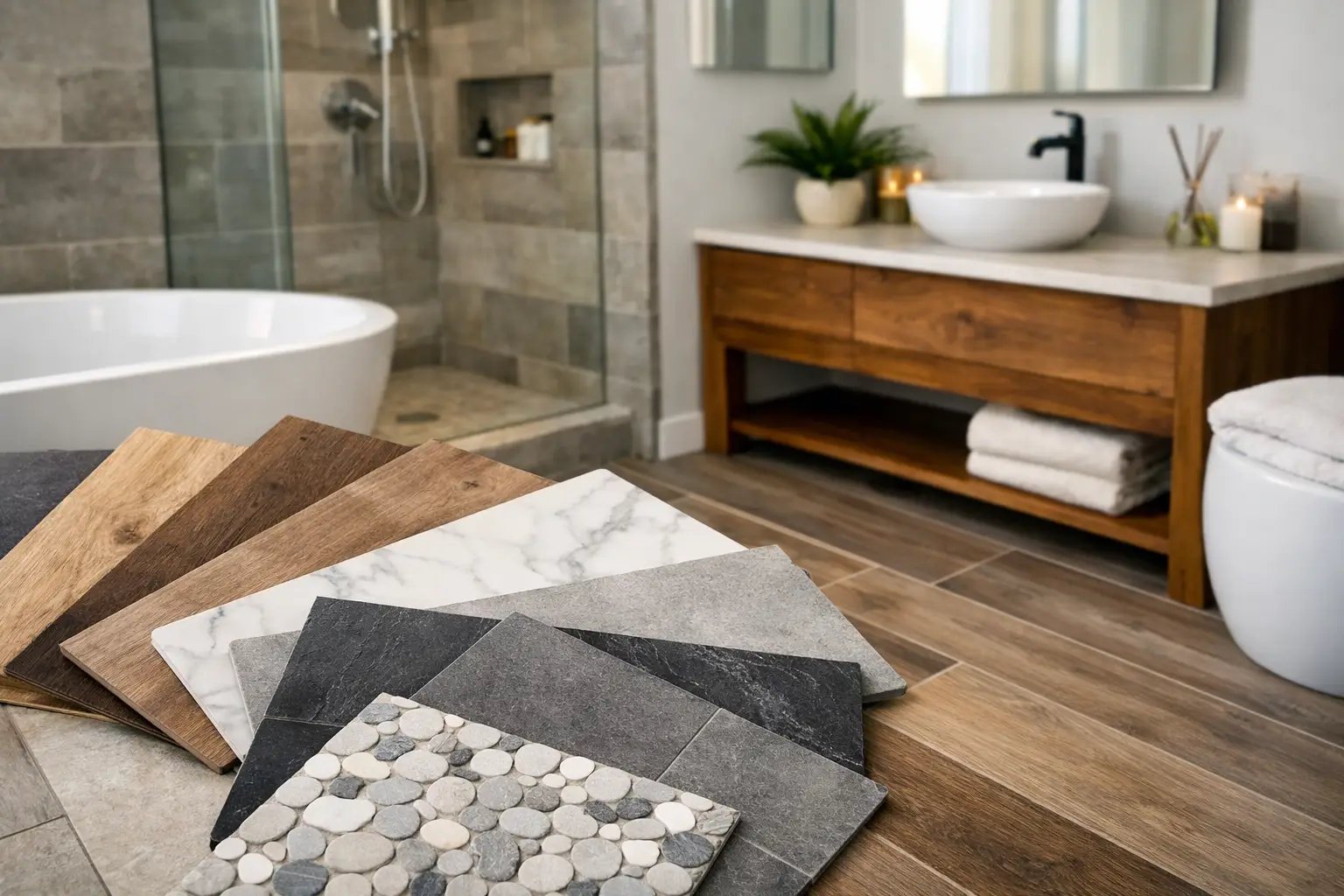
Material choice matters as much as installation
Even the best installer cannot turn the wrong product into the right one. That is why choosing flooring should be tied to how you live, not just how the sample looks under store lighting.
For busy households, low-maintenance materials often make the most sense. Luxury vinyl plank remains popular because it handles wear well, works in many home styles, and generally offers good value. Laminate can also be a practical choice, though moisture tolerance varies by product. Tile is a strong option for wet areas and high-traffic zones, but it requires solid prep and precision to avoid cracking or uneven lines.
Hardwood brings warmth and character that many homeowners love. It can also be refinished, which adds long-term appeal. At the same time, hardwood requires more attention to moisture and seasonal movement. In Colorado, where conditions can shift, that conversation should be part of the planning process rather than an afterthought.
Carpet still has a place, too, especially in bedrooms or spaces where comfort and sound control matter most. It is not the right fit for every property, but in the right room, it can improve comfort in a way hard-surface flooring does not.
Why prep work is where good flooring jobs are won
Homeowners often focus on the visible finish, but prep work is what determines whether the floor stays level, quiet, and durable. A beautiful plank floor installed over a poor subfloor may look fine at first and then start shifting, separating, or squeaking sooner than expected.
Proper prep can include leveling, patching, moisture testing, underlayment adjustments, and removal of old materials or residue. It may also include minor repairs around thresholds, trim, or adjacent surfaces. None of that sounds exciting, but it is often the reason one installation lasts and another becomes a frustration.
This is one area where transparent pricing matters. A contractor should explain what is included in the estimate and what happens if hidden conditions are uncovered. Homes age, and older floors can hide surprises. Honest communication before and during the project keeps those surprises manageable.
Flooring installation contractor red flags to watch for
A few warning signs come up again and again. Be cautious if a contractor gives a price without seeing the space, avoids discussing prep work, or promises a timeline that sounds too good to be true. Flooring can move fast, but quality still takes planning.
Another red flag is a vague scope. If you are not clear on who removes old flooring, who handles furniture, what happens at transitions, or whether trim work is included, you are leaving room for confusion. The more specific the agreement, the smoother the project tends to go.
Pay attention to communication style as well. If it is hard to get a straight answer before the job starts, that usually does not improve once work is underway. Good contractors are busy, but they should still be responsive, direct, and respectful.
What a smooth flooring project feels like
A well-run flooring project should feel organized, not chaotic. You should know what is happening, when crews will arrive, what decisions still need to be made, and how the home will be protected during the work. There should be a clear plan for changes if something unexpected comes up.
That is especially valuable for occupied homes. Flooring work disrupts routines. People still need to cook, get kids out the door, manage pets, and keep life moving. A contractor who understands that and plans around real household needs brings more value than one who only focuses on the install itself.
At Salida Home Services, that practical mindset is a big part of how projects are approached. Homeowners want good craftsmanship, but they also want the process to feel straightforward. Clear communication, respect for the home, and upfront discussion of scope changes go a long way toward making that happen.
The right floor should do more than update a room. It should make the space easier to live in, easier to maintain, and better suited to the way your home actually works. When you choose a flooring installation contractor who thinks that way from the start, you are far more likely to end up with a result that still feels right long after the tools are packed up.
Aurthor:
Robby Bates