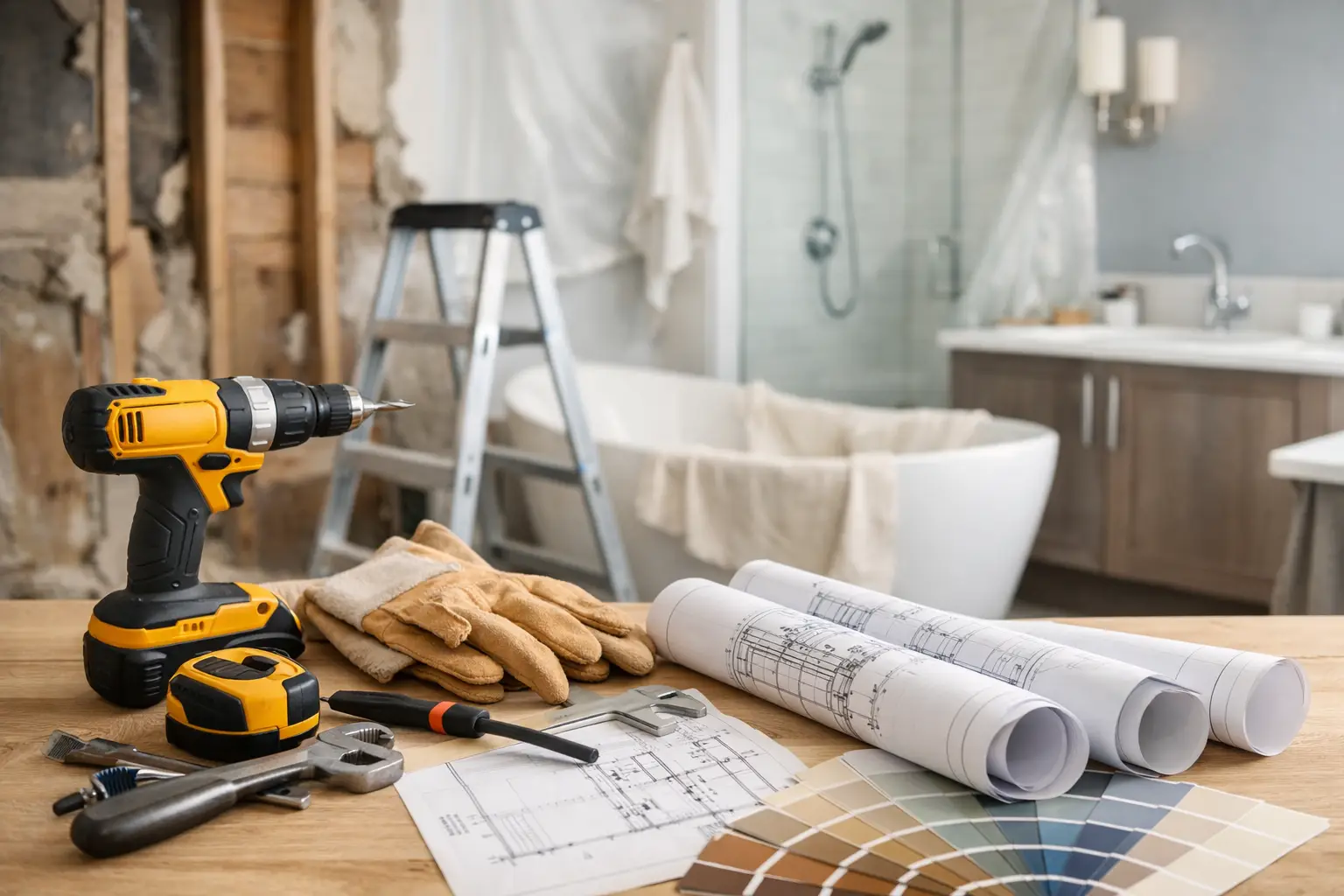
The part most homeowners underestimate is not the tile or the vanity. It is everything that happens before the first tool comes out. If you want to know how to prepare for bathroom renovation, the real work starts with decisions, not demolition. A little planning upfront can save you from budget surprises, schedule delays, and that sinking feeling when you realize your new layout looked better on paper than it does in real life.
A bathroom remodel touches plumbing, electrical, ventilation, flooring, walls, fixtures, and often structural details hiding behind the surface. That is why preparation matters so much. The better you define what you want, what you can spend, and how the space needs to function, the smoother the project tends to go.
Start with the problem, not the finishes
Before you pick paint colors or compare faucet styles, get clear on why you are renovating. Some bathrooms need a cosmetic update because they feel dated. Others have bigger issues, such as poor storage, inadequate lighting, water damage, or a layout that never worked well in the first place.
That difference matters. If the goal is mainly visual, you may be able to keep plumbing in place and control costs. If the goal is better function, you might need to move fixtures, improve ventilation, widen a shower, or upgrade old materials behind the walls. Those changes can be well worth it, but they affect labor, timeline, and budget.
Write down your must-haves, nice-to-haves, and absolute deal breakers. For example, a property manager may prioritize durable materials and low maintenance, while a homeowner may prioritize better storage and a more comfortable daily routine. There is no single right priority list. What matters is being honest about how the bathroom is actually used.
How to prepare for a bathroom renovation with a real budget
A realistic budget is one of the most important parts of preparation. Many renovation problems start when a homeowner plans around fixture prices but forgets labor, prep work, disposal, permits, repairs behind the wall, and finish details.
The best approach is to build your budget in layers. Start with the project itself, including demolition, installation, plumbing, electrical, tile, drywall, paint, and finish work. Then leave room for product costs such as vanities, toilets, faucets, mirrors, lighting, flooring, and shower materials. After that, add a contingency amount for hidden issues.
Bathrooms are small spaces, but they can hide expensive surprises. Rot around the tub, old plumbing, uneven subfloors, and outdated wiring are all common. If your home is older, the chance of finding something increases once the room is opened up. Planning for that from the start is better than being forced into rushed decisions halfway through.
If the budget is tight, focus on the items that most affect function and long-term value. Keeping the existing layout can help. So, choose dependable mid-range products instead of high-end finishes that eat up your allowance without improving daily use.
Know what you are keeping and what you are changing
This is where the project gets practical. Decide early whether you are doing a light refresh, a partial remodel, or a full renovation. Replacing a vanity, mirror, and flooring is a different job from rebuilding a shower and moving plumbing lines.
Try to make decisions as complete as possible before construction starts. If you know you want a walk-in shower, choose the general size and style early. If you want a double vanity, confirm the room can support it without making the space feel cramped. If you plan to age in place, this is the time to consider curbless entry, grab-bar blocking in the walls, and comfort-height fixtures.
Changing scope mid-project usually costs more and adds time. Sometimes changes are necessary, especially if hidden conditions come up. But when changes happen because the original plan was vague, the process gets harder than it needs to be.
Measure the room and think through daily use
Bathrooms look simple, but tight dimensions make every inch matter. A vanity that seems fine in a showroom can crowd a doorway. A shower door can interfere with a toilet clearance. A deep cabinet can limit movement in a narrow room.
Take accurate measurements and think beyond each fixture's footprint. Consider door swings, drawer pull-outs, walking space, towel placement, lighting, and storage access. It also helps to think in routines. Where do you set toiletries? Is there enough light at the mirror for shaving or makeup? Will the floor be safe when wet? These are everyday details, and they often matter more than trendy design choices.
For shared bathrooms, traffic flow matters even more. For rentals and guest baths, durability and ease of cleaning often deserve extra weight in the planning process.
Choose materials that fit your life
Not every beautiful bathroom product performs well in every home. That is one of the most useful things to understand when preparing for a bathroom renovation. Materials should match the way the room is used, not just the look you want.
Natural stone can be attractive, but it often requires more maintenance than porcelain. A wood vanity may look warm and custom, but in a high-moisture bathroom, material quality and finish protection matter. Glossy tile can brighten a room, but on the floor, it may be slipperier than a matte option.
Think about cleaning, moisture exposure, wear, and replacement lead times. If this is a kid-heavy bathroom or a rental property, simple and durable usually wins. If it is a primary bath for long-term use, it may make sense to invest more in comfort and finish quality. The right answer depends on who is using the space and how often.
Order products before the work begins
One of the easiest ways to derail a bathroom project is to start construction before key materials are selected and ordered. Backordered vanities, broken tile shipments, and missing trim pieces can stall a job fast.
Before work starts, confirm the lead times for major items. That usually includes vanity cabinets, countertops, plumbing fixtures, lighting, shower glass, tile, and specialty hardware. Make sure the finish colors match across brands if that matters to you. It is much easier to fix a product mismatch before installation than after.
If you are relying on several different suppliers, keep a simple list of what has been ordered, when it is expected, and what still needs approval. Good preparation here helps protect your schedule.
Plan for the disruption inside your home
Even a well-run remodel disrupts daily life. Water may be shut off at points. Noise and dust are part of the process. Workers may need access through your home for several days or several weeks, depending on the scope.
If this is your only bathroom, make a backup plan before the project starts. That might mean arranging temporary access elsewhere, adjusting family schedules, or coordinating around occupancy if it is a rental property. If the bathroom is in a primary bedroom, consider how the construction activity affects your morning and evening routines.
Preparation also means clearing the space completely. Remove toiletries, towels, rugs, wall decor, medication, and anything stored in cabinets or drawers. Nearby rooms may also need protection, especially if materials have to be carried through them.
Talk through communication and change orders upfront
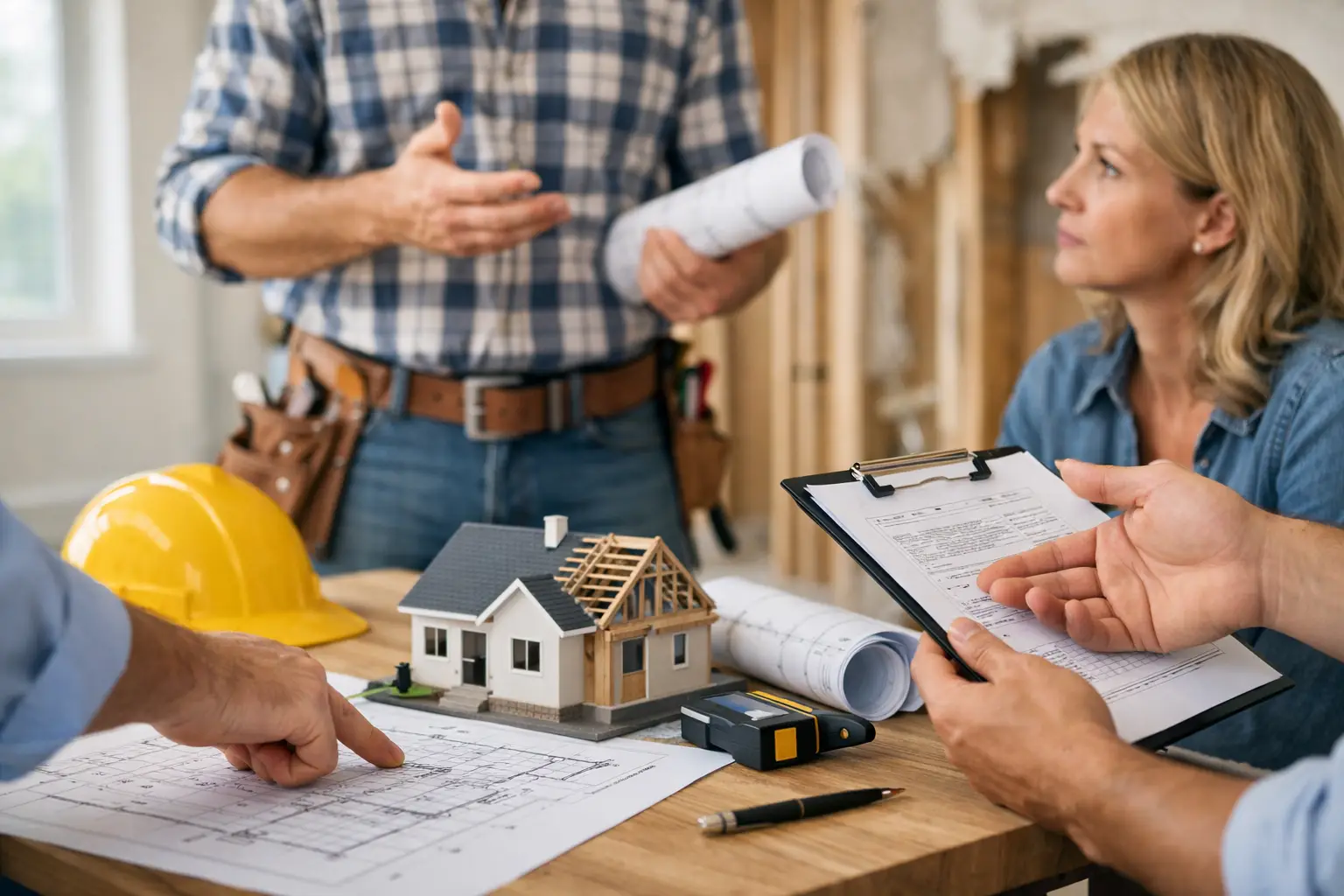
A strong renovation experience depends on more than craftsmanship. It also depends on communication. Before the project begins, make sure you understand who your point of contact is, how updates will be shared, what the expected schedule looks like, and how unexpected issues will be handled.
This is especially important when hidden problems appear. In a bathroom, that is not unusual. The key is to have a contractor who discusses scope changes before proceeding, so you can make informed decisions rather than react under pressure. That kind of transparency tends to prevent frustration on both sides.
For homeowners and property managers in the Arkansas River Valley, that local, owner-led communication style can make a real difference when schedules are tight, and access must be carefully coordinated.
Prepare for bathroom renovation by protecting the investment
Once your plan is set, think one step beyond construction. Ask what will help the new bathroom last. Better ventilation is a big one. Many bathroom problems start with moisture that never leaves the room. A properly sized fan, good sealing, and quality installation all matter more than people think.
It is also smart to think about maintenance from day one. Choose finishes you can clean without special products. Ask how grout, caulk, tile, and fixtures should be cared for. Keep warranty information and product details in one place so future repairs or replacements are easier.
A good bathroom renovation should look better, work better, and feel easier to live with. That usually comes from steady planning, clear priorities, and a contractor who treats your home with respect from the first conversation forward.
If you take the time to prepare well, the renovation itself becomes a lot less stressful. And when the dust settles, you are not just looking at a nicer room. You are living in a space that fits your home and your routine far better than the one you started with.
Aurthor:
Robby Bates