A bathroom remodel usually starts with one small frustration that keeps showing up - not enough storage, a shower that feels dated, tile that never looks clean, or a layout that wastes space every single day. A good bathroom remodel planning guide helps you fix the real problem before you spend money on the visible one.
That matters because bathroom projects move fast once demolition starts. If the planning is thin, costs climb, decisions get rushed, and simple upgrades can turn into bigger repairs. If the planning is solid, the project feels more predictable, the finished space works better, and you are far less likely to pay for changes halfway through.
What to decide before you pick finishes
Most homeowners want to start with tile, paint colors, or a vanity style. That part is fun, but it should come later. The first step is being clear about how the bathroom needs to function.
Think about who uses the space and what is not working now. A primary bathroom has different priorities than a hallway bath in a family home or a bathroom in a rental property. If multiple people use it every morning, storage and traffic flow matter as much as appearance. If it is in a guest space or second home, durability and easy maintenance may be more important than custom details.
This is also the time to decide whether you are refreshing the room or truly remodeling it. Keeping the toilet, vanity, and shower in the same locations can reduce labor and simplify plumbing work. Changing the layout may dramatically improve the room, but it can also add cost, time, and hidden construction issues once walls or floors are opened.
A contractor can help you weigh that trade-off early. Sometimes moving one wall-mounted fixture is worth it. Sometimes a smarter vanity, better lighting, and a more efficient shower setup solve the problem without rebuilding the whole room.
Build your bathroom remodel planning guide around budget first
A realistic budget is not just about what you hope to spend. It should reflect the home's age, the condition of the bathroom behind the finished surfaces, and the level of materials you want.
Bathrooms are small rooms, but they pack in plumbing, electrical, ventilation, waterproofing, flooring, trim, and finish work. That means even a modest-looking remodel can involve several trades. In older homes, especially, opening the space can reveal water damage, improper venting, subfloor issues, or outdated wiring. Those are not glamorous line items, but they affect how well the new bathroom performs.
A useful way to think about a budget is to split it into three parts: known costs, finish selections, and contingency. Known costs cover labor, demolition, disposal, core construction, and standard installation work. Finish selections include the vanity, tile, fixtures, mirror, lighting, and accessories. Contingency is the amount you set aside for surprises. If the bathroom is older or has signs of moisture problems, that cushion matters even more.
Trying to budget down to the dollar too early usually creates stress. A better approach is to define your comfort range and then decide where to spend to get the biggest daily benefit. For one homeowner, that may be a larger walk-in shower. For another, it may be heated flooring, better task lighting, or built-in storage that actually keeps counters clear.
Layout changes: when they help and when they don't
One of the biggest planning decisions is whether to keep the existing footprint. There is no universal right answer. It depends on what is making the bathroom feel cramped or outdated.
If the room already has a workable layout, keeping plumbing locations in place often makes sense. You can still make the space feel dramatically different with a new vanity, upgraded tile, improved lighting, and a better shower or tub setup. This approach usually keeps costs more manageable and shortens the project timeline.
If the room has serious functional problems, layout changes may be worth the investment. Maybe the vanity blocks the door swing. Maybe the shower is too tight to use comfortably. Maybe there is unused floor area in one corner while storage is missing where you need it. In those cases, a smarter layout can improve the room every day for years.
The key is to change the plan for a real reason, not just because it sounds like a bigger upgrade. More construction is not always better construction.
Materials should match real-life use
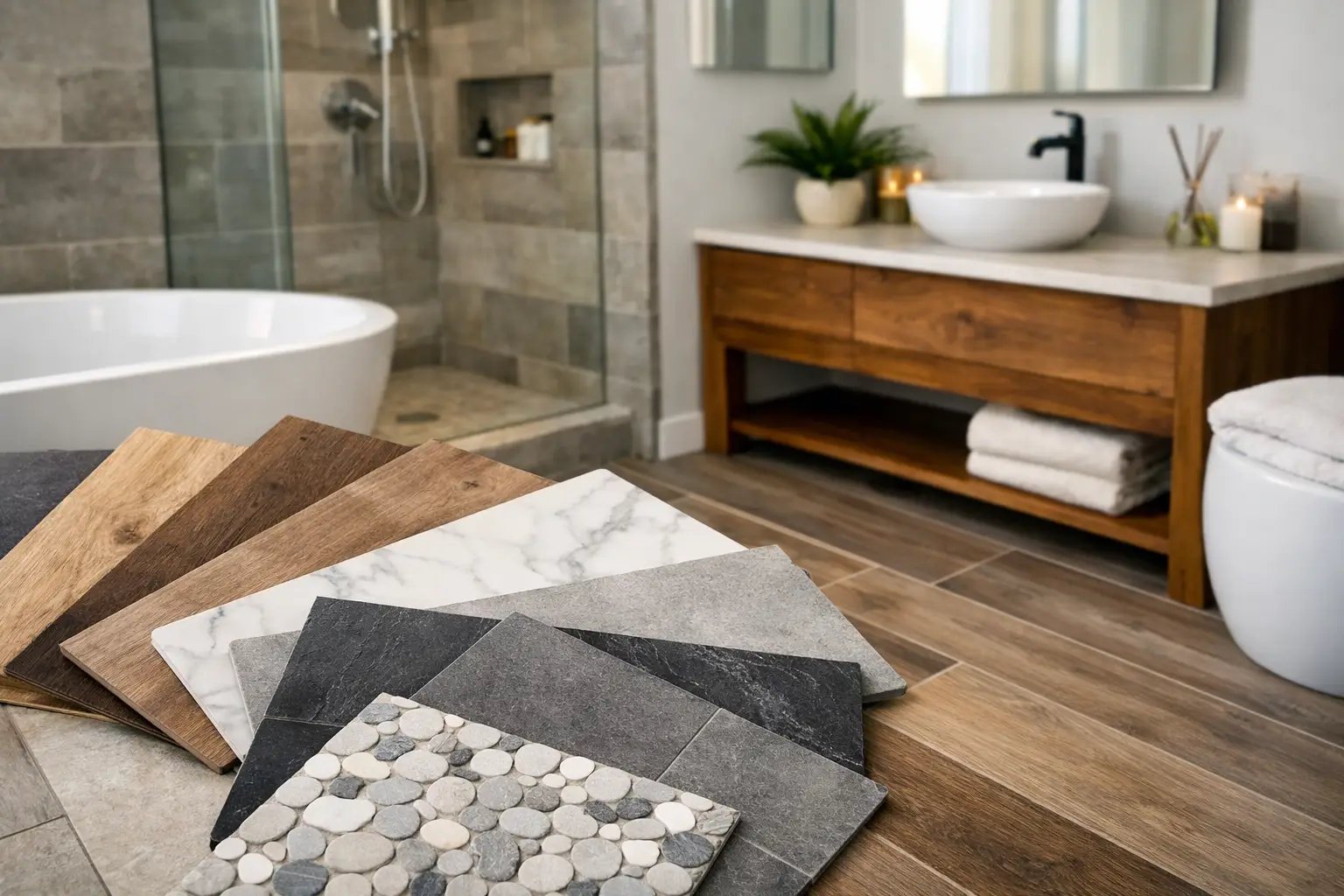
In any bathroom remodel planning guide, material selection needs to be about more than appearance. Bathrooms face humidity, frequent cleaning, temperature fluctuations, and heavy daily use. What looks great in a photo may not be the best fit for your home.
Flooring should be durable and suitable for moisture. Wall finishes in wet areas need proper waterproofing behind them, not just an attractive surface on top. Vanity materials should withstand splashes, product spills, and routine use. Fixtures should be easy to maintain and easy to replace parts for down the road.
This is where homeowners sometimes overspend in one area and underspend in another. For example, a premium tile choice will not make up for poor lighting or a vanity that lacks storage. On the other hand, choosing practical materials in the right places can free up budget for upgrades you will notice every day.
If you manage a rental or second home, low-maintenance materials are often the smarter long-term choice. They may not feel flashy, but they reduce upkeep, service calls, and premature replacement.
Don't overlook lighting, ventilation, and storage
These are the parts of a remodel that rarely get the most attention at the start, but they often have the biggest effect on how the room feels once the project is done.
Lighting should support the way the bathroom is actually used. One overhead fixture is rarely enough. Mirror lighting, balanced task lighting, and a warm overall light source can make a bathroom feel cleaner, brighter, and easier to use. This is especially true in bathrooms with limited natural light.
Ventilation matters just as much. A bathroom that cannot properly remove moisture will struggle no matter how nice the finishes are. Fogged mirrors, lingering humidity, peeling paint, and mold issues often indicate an exhaust system that needs improvement. Good planning looks at performance, not just appearance.
Storage deserves the same level of attention. A remodel is a chance to create a place for towels, toiletries, cleaning supplies, and everyday items that would otherwise live on the counter. Even a small bathroom can often gain storage through a better vanity, recessed shelving, or more thoughtful cabinet design.
The planning stage is where schedules are protected
Homeowners often ask how long a bathroom remodel will take, but the real answer depends on how many decisions are made before work begins. Projects tend to stay on track when materials are selected early, the scope is clearly defined, and change orders are kept to a minimum.
Delays usually come from one of three issues: hidden conditions, product availability, or mid-project design changes. You cannot eliminate every surprise, but you can reduce a lot of them with thorough planning and clear communication.
That is one reason it helps to work with a contractor who walks through the scope carefully, talks through options before demolition, and discusses any needed changes before moving forward. For busy homeowners and property managers, that level of communication can make the whole project feel far less disruptive.
How to choose priorities when everything feels important
If your wish list is longer than your budget, start with the upgrades that improve function, reliability, and daily comfort. Waterproofing, ventilation, layout efficiency, and quality installation come before decorative extras. After that, put money into the features you will use most.
For some people, that is a better shower. For others, it is easier cleaning, more storage, or improved accessibility. If you plan to stay in the home long term, features that support comfort and safety may be worth more than trend-driven design choices. If resale is part of the equation, aim for clean, durable, widely appealing finishes rather than highly personal selections.
In the Arkansas River Valley, where many homes serve as primary residences, rentals, or second homes, the smartest bathroom remodels usually balance appearance with durability. A beautiful space is good. A beautiful space that holds up well is better.
A practical bathroom remodel planning guide starts with honest goals
The best remodels are not always the most expensive ones. They are the ones where the homeowner was clear about what needed to change, what was worth spending on, and where it made sense to keep things simple.
If you are planning a bathroom project, start by defining the daily problems you want the remodel to solve. Then build the scope, budget, and finish choices around those goals. That approach leads to better decisions, fewer surprises, and a bathroom that feels good to walk into long after the project is finished.
A well-planned remodel should make your home easier to live in, not harder to manage. When the process is thoughtful from the start, the results tend to show up in all the small moments that matter most.
Aurthor:
Robby Bates