A good walk-in shower review should answer the question most homeowners are actually asking: will this make my bathroom work better day-to-day, or will it just look better in photos?
That matters because a walk-in shower is rarely a small change. It can improve comfort, accessibility, cleaning, and the overall feel of the room, but the right result depends on layout, materials, drainage, and how the bathroom is used. If you are considering a remodel for your primary home, a rental, or a second property, the smartest review is one that looks beyond trends and addresses real-life trade-offs.
Walk-in shower review: what stands out first
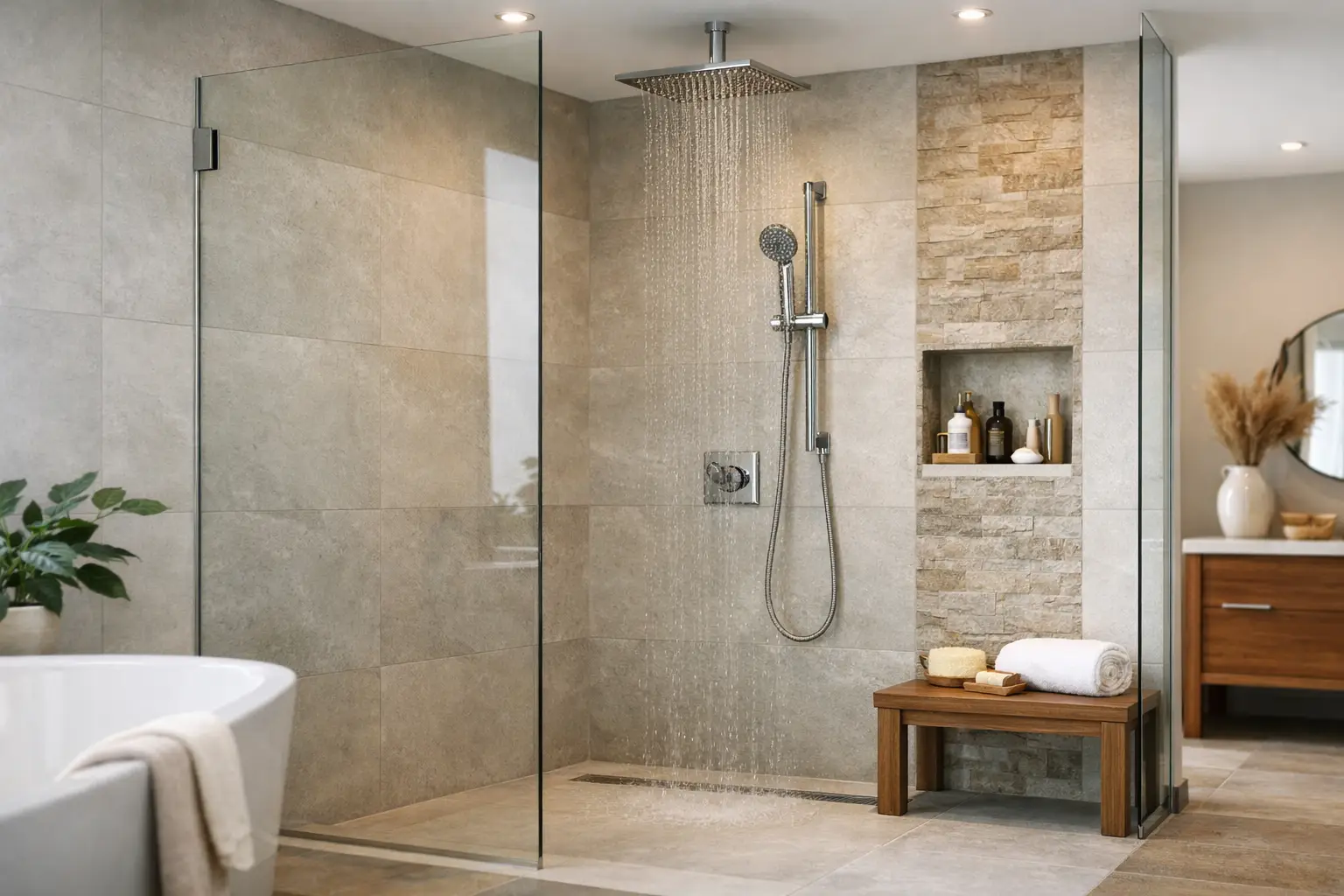
For most homes, the biggest advantage of a walk-in shower is usability. Stepping into a low-threshold or curbless shower is easier than climbing over a tub wall, and the room usually feels more open right away. Even in a modest bathroom, removing a bulky tub-and-shower combo can make the footprint feel cleaner and less cramped.
There is also a strong design benefit. Walk-in showers tend to make bathrooms look more updated because they reduce visual clutter. Clear glass, larger tile formats, and better lighting all help the room feel more spacious. That said, the visual payoff only lasts if the details are handled well. A beautiful shower with poor drainage, awkward storage, or hard-to-clean glass can become a daily frustration.
From a contractor's perspective, this is where homeowners get the most value from good planning. The shower itself is only part of the project. Waterproofing, slope, venting, fixture placement, and the condition of surrounding walls all matter just as much.
Where a walk-in shower works best
Walk-in showers make the most sense when function is the goal. Homeowners who want easier access, less maintenance than an aging tub enclosure, or a more updated bathroom layout usually see clear benefits. They also work well in guest baths and primary suites where comfort and convenience matter more than keeping a rarely used tub.
In homes with older bathrooms, a walk-in shower can solve several problems at once. It can improve water containment, modernize finishes, and replace worn-out surrounds or outdated plumbing fixtures. For property managers, it can also simplify turnover maintenance if the materials are chosen carefully.
But it depends on the home. If a bathroom is the only full bath in the house, removing the only tub may not be the right move. Families with small children often still want at least one bathtub. Resale can also be affected, though not always negatively. In many homes, a well-built walk-in shower in the primary bath is a plus, but eliminating every tub in the house can narrow appeal.
The biggest pros in daily use
The strongest case for a walk-in shower is everyday comfort. Entry is easier, especially for older adults or anyone dealing with mobility concerns. A built-in bench, handheld sprayer, and grab bars can be added without making the bathroom feel institutional. When those features are planned from the start, they look intentional and clean.
Cleaning can be simpler, too, though not automatically. One continuous shower floor and fewer tight corners usually means less grime buildup than a typical tub surround. Larger tiles and minimal grout joints help. Niches and shelves keep bottles off the floor, which makes cleaning faster and the space feel less cluttered.
Walk-in showers also offer greater layout flexibility. A fixed glass panel may be enough in some bathrooms, while others need a door to control splash. Dual showerheads, better storage, and more comfortable spacing are easier to achieve when the shower is designed around how the homeowner actually uses it.
The cons homeowners should know before starting
A walk-in shower review is not complete without the downsides. The first is cost. A properly built walk-in shower usually costs more than many homeowners expect because the project is not just a cosmetic one. Demolition, plumbing adjustments, waterproofing, tile work, glass, and finish details add up quickly.
The second issue is water control. Open or partially open showers can look great, but they are less forgiving if the bathroom is tight or the spray pattern is poorly planned. Without the right slope and layout, water can escape the shower area, creating long-term moisture problems.
Cold drafts are another common complaint. This shows up most often in open designs with no door and a wide entry. In a showroom, that layout feels sleek. In winter, it can feel less comfortable than expected, especially in mountain climates where bathrooms can already run cool.
Maintenance can also be underestimated. Glass needs regular cleaning if you want it to stay clear, and heavily textured tile can hold onto soap residue. Some homeowners love the look of natural stone, but it often requires more care than porcelain. The best-looking option is not always the easiest one to live with.
Walk-in shower review by material and design choice
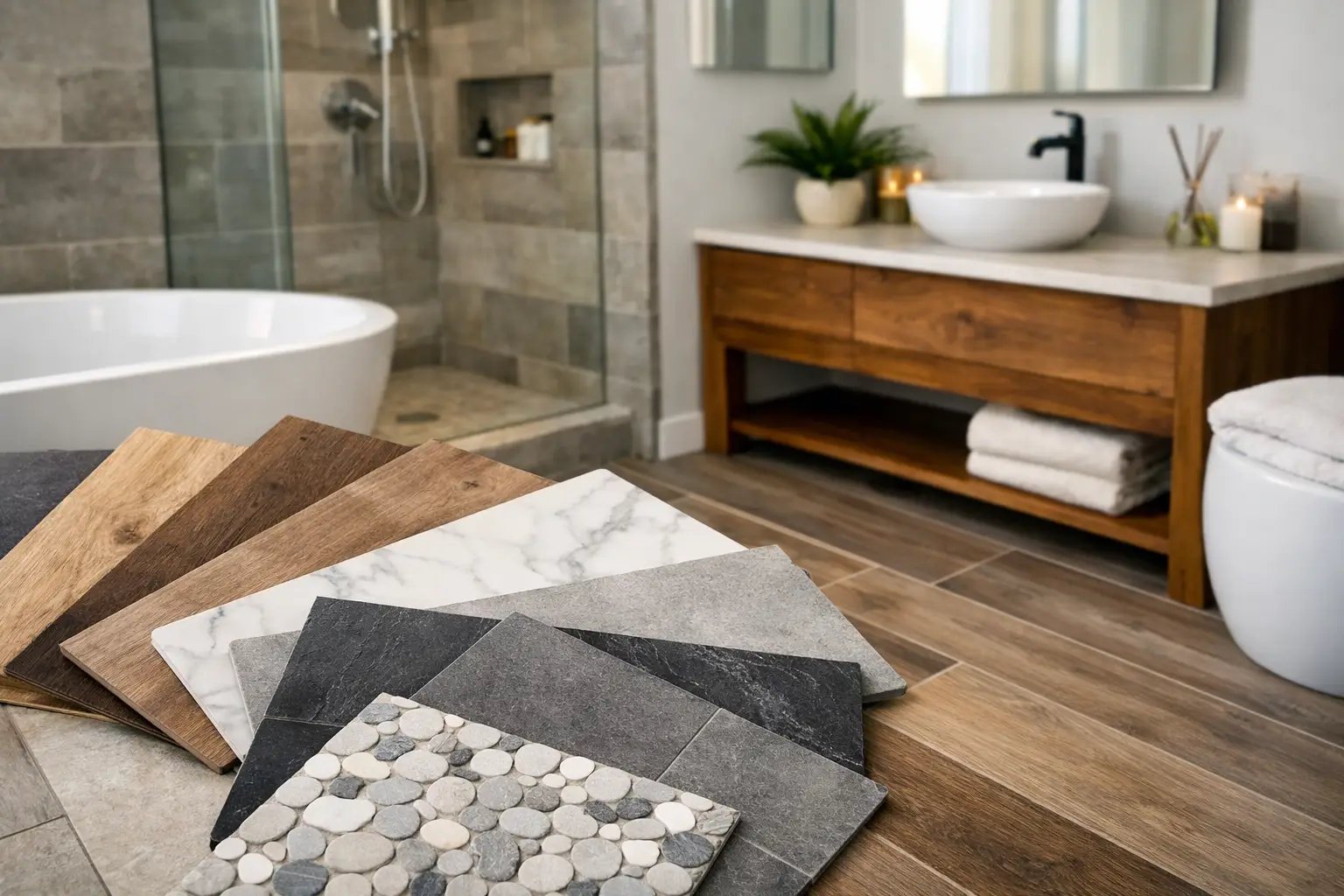
The material choices matter more than most style boards suggest. Porcelain tile is often the most practical option because it is durable, widely available, and easier to maintain than many natural stone products. It can still deliver a high-end look without demanding as much upkeep.
Natural stone has visual appeal, but it requires more maintenance and comes with a higher price point. If you want that look, go into it with realistic expectations about sealing and cleaning. For many busy households, stone is better used as an accent than as the main shower surface.
Shower pans versus tiled floors are another important comparison. A custom tile floor offers greater design freedom and can be a great fit for curbless entries, but it requires excellent prep work and waterproofing. A prefabricated pan can be a smart choice when speed, cost control, and reliability are priorities.
Glass is where many projects drift into overcomplication. Frameless glass looks clean, but it costs more and shows water spots faster. Framed or semi-frameless options can still look sharp while being more budget-friendly. Sometimes a single fixed panel is the best middle ground between style and practicality.
What affects cost the most
The size of the shower is only one part of pricing. Plumbing changes can significantly affect the budget, especially if drains or valves need to be relocated. Structural repairs behind the walls or under the floor can also change the scope fast once demolition starts.
Tile selection has a big effect as well. Large-format tile can reduce grout lines and look more modern, but it may require more planning depending on the layout. Detailed patterns, niches, benches, and custom insets add labor even when the material itself is not especially expensive.
Then there is glass. Custom glass is often one of the most expensive single line items in the finish stage. Homeowners are sometimes surprised to learn that simplifying the enclosure can save meaningful money without hurting function.
This is where transparent pricing and good communication matter. A trustworthy contractor should explain what is included, what could change if hidden conditions are found, and where there is room to adjust the design before work begins.
Is it worth it for resale?
Usually, yes, when the shower improves the bathroom without making the home less functional overall. Buyers tend to respond well to bathrooms that feel updated, clean, and easy to use. A well-built walk-in shower can support that impression.
Still, resale value is not just about trend appeal. It depends on whether the layout makes sense for the home. In a primary bath, a walk-in shower often adds desirability. In a smaller home with one bathroom, removing the only tub may be a tougher call.
For rental or investment properties, durability matters even more than style. Simple finishes, easy-to-clean surfaces, and dependable waterproofing usually deliver the best long-term return.
Who should think twice before choosing one
If you love taking baths, this is an obvious one. Replacing a tub with a shower will not feel like an upgrade if it removes a feature you actually use. Households with very young children may also want to keep at least one tub somewhere in the home.
You should also be cautious if the bathroom has a difficult layout. Very tight spaces, poor ventilation, or floors that are not suited for a curbless design can all limit what makes sense. That does not mean a walk-in shower is off the table. It means the design should be based on the room, not copied from a photo.
What makes a walk-in shower successful
The best projects are the ones that balance appearance with daily function. That means enough storage, thoughtful fixture placement, slip-resistant flooring, proper lighting, and waterproofing done right. It also means making decisions based on how the bathroom is actually used.
For homeowners in the Arkansas River Valley, climate and comfort can play a role, too. A more open shower may need extra thought if warmth matters during colder months. That is one reason local, hands-on planning matters. A bathroom should look good, but it should also feel right every morning.
If you are considering a remodel, the most useful walk-in shower review is the one that treats your home like a real place to live, not a showroom. A smart design can absolutely be worth it. Just make sure the project is built around comfort, maintenance, and long-term reliability, because those are the details you will notice long after the tile choices no longer feel new.
Aurthor:
Robby Bates