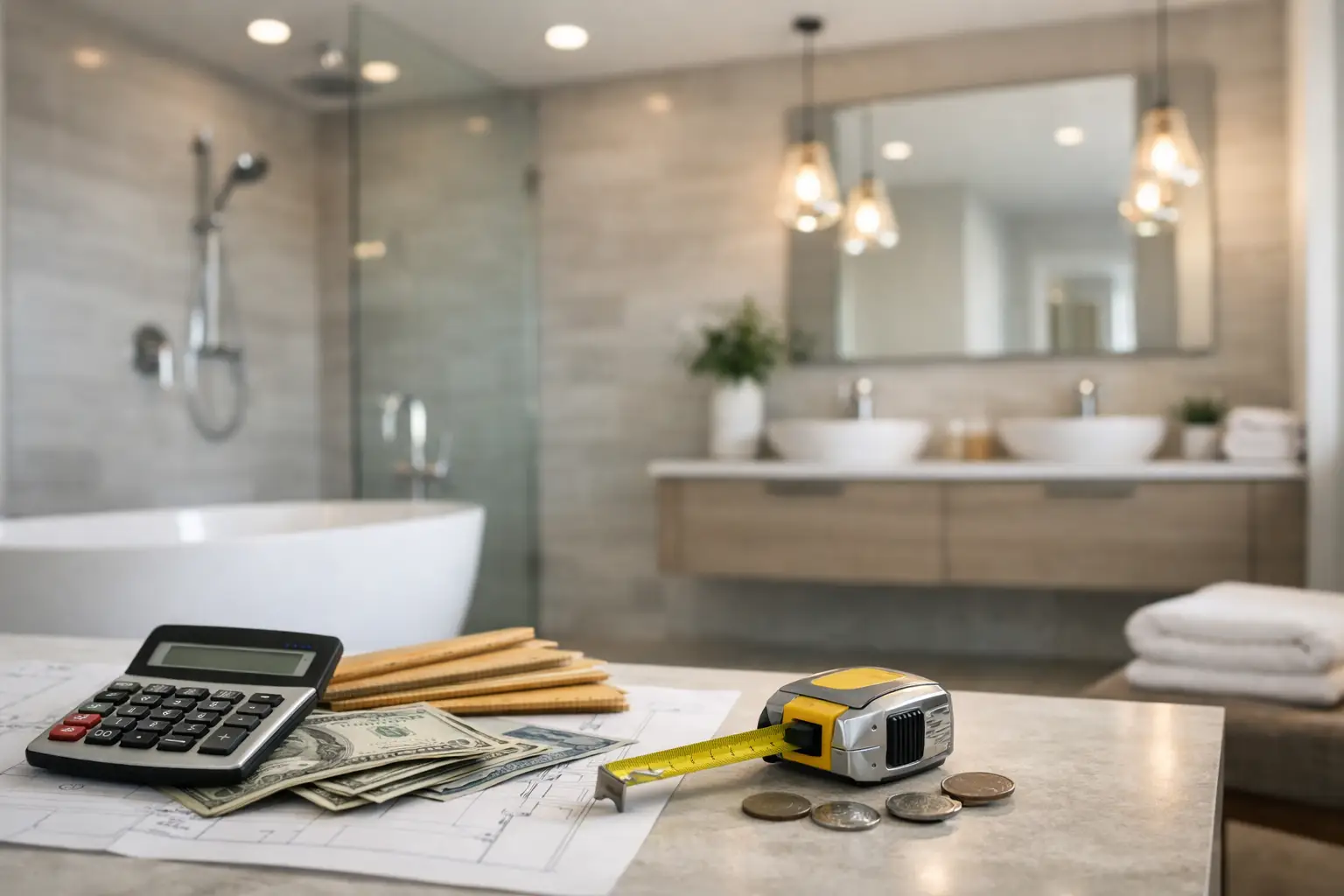
A bathroom can look simple on the surface, but once the walls open up and old fixtures come out, the real scope of the job becomes clear fast. If you are asking how much a bathroom remodel costs, the honest answer is that it depends on the bathroom's size, the home's age, the materials you choose, and whether the layout stays the same.
For most homeowners, a bathroom remodel can range from a modest refresh to a full rebuild. A smaller cosmetic update might cost $8,000 to $15,000, while a more complete mid-range remodel often costs $15,000 to $30,000. High-end projects with custom tile work, layout changes, upgraded plumbing fixtures, and premium finishes can go well beyond that. The right budget starts with a clear plan, not a guess.
How much does a bathroom remodel cost for most homes?
The biggest mistake homeowners make is comparing one bathroom remodel to another without looking at the scope. Replacing a vanity, toilet, mirror, and light fixture is not the same project as tearing out a tub, moving plumbing, installing a walk-in shower, and repairing subfloor damage.
In practical terms, bathroom remodel costs usually fall into three tiers. A basic remodel focuses on surface-level improvements. That may include paint, a new vanity, updated fixtures, a new toilet, and simple flooring. This kind of project is often the most budget-friendly because it avoids major electrical, plumbing, and structural changes.
A mid-range remodel typically includes more meaningful upgrades. Homeowners may replace the tub or shower, install tile surrounds, upgrade lighting and ventilation, improve storage, and choose more durable finish materials. This is where many primary bathrooms and hall baths land, especially in homes that have seen years of wear.
A high-end remodel adds custom work, premium finishes, and more labor-intensive details. Heated floors, frameless glass, custom cabinetry, natural stone, luxury plumbing fixtures, and layout changes all raise the cost. The result can be beautiful and highly functional, but every upgrade adds time, labor, and coordination.
What affects bathroom remodel cost the most?
Size matters, but not always in the way people expect. A small bathroom can still be expensive if the materials are high-end or the work is complicated. A larger bathroom gives you more square footage to finish, but simpler selections can help keep the budget in check.
Layout changes are one of the biggest cost drivers. If the toilet, shower, or sink needs to be moved, the plumbing work quickly becomes more involved. In some homes, moving a drain or supply line is fairly straightforward. In others, especially older homes, it can uncover conditions that take more time and labor to correct.
Tile is another major variable. A basic fiberglass shower surround is far less expensive than a custom tiled shower with a niche, bench, decorative accents, and floor-to-ceiling installation. Tile itself ranges widely in price, and labor goes up with smaller patterns, detailed layouts, or difficult cuts.
Fixtures and finish selections can shift the budget more than many homeowners expect. A vanity might cost a few hundred dollars or several thousand. Faucets, lighting, mirrors, glass doors, and hardware all have similar ranges. Choosing durable, attractive products does not mean you have to choose the most expensive option, but it does mean paying attention to where quality matters most.
Labor and hidden conditions also matter. Once demolition starts, a contractor may find water damage, mold, outdated wiring, poor ventilation, or subfloor issues. In mountain-region homes and older Colorado properties, those surprises are not unusual. That is why clear communication and a process for discussing scope changes before work continues matter so much.
Bathroom remodel cost by project type
If your goal is a guest bath refresh, costs usually stay lower because the room is smaller and the daily wear is lighter. Many homeowners keep the existing tub and layout, then improve the space with a new vanity, toilet, fixtures, paint, flooring, and lighting.
Primary bathrooms tend to cost more because expectations are higher. Homeowners often want a better shower, more storage, improved lighting, and upgraded finishes that make the room feel more comfortable every day. The more custom the space becomes, the more the investment grows.
A half bath or powder room is often the least expensive bathroom to remodel. There is no tub or shower, fewer tiles, and fewer plumbing fixtures. That said, powder rooms are also where some homeowners choose bolder finishes, custom wallpaper, or statement lighting, so the final price still depends on the design choices.
Rental properties and second homes often call for a different approach. In those cases, the smartest remodel is not always the most elaborate. Durable materials, easy maintenance, and reliable fixtures tend to deliver the best long-term value. Property managers usually benefit from a scope that keeps turnover time low and avoids future repair headaches.
How to budget without getting surprised
The best remodel budgets are built from priorities. Start by separating what you need from what you want. If the current bathroom has leaks, poor ventilation, damaged flooring, or outdated plumbing, those issues should take priority over upgraded finishes.
Then decide what parts of the room matter most to your daily use. For some homeowners, that is a better shower. For others, it is storage, easier cleaning, or brighter lighting. When priorities are clear, it becomes easier to invest in the features that actually improve how the bathroom functions.
It also helps to keep a contingency in the budget. A good rule is to reserve 10 to 20 percent for unforeseen conditions, especially in older homes. That does not mean the money will always be spent, but it gives you room to handle issues properly instead of cutting corners halfway through the job.
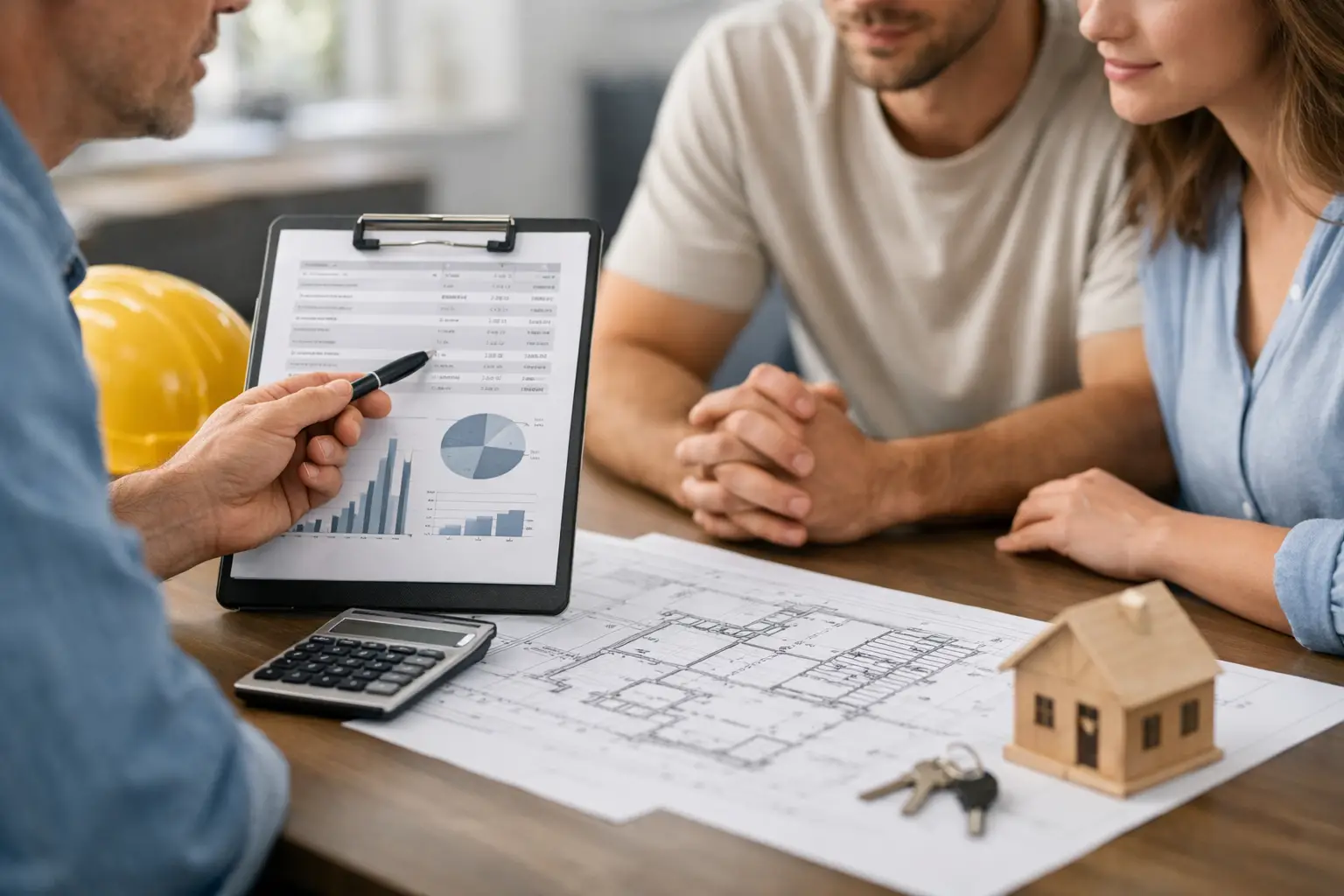
This is also where an on-site consultation adds real value. An experienced contractor can spot details that online estimates miss, such as tight access, wall conditions, outdated plumbing connections, or signs of prior water damage. A realistic price based on the actual space is far more useful than a low number that changes once the work begins.
How to keep bathroom remodel costs under control
One of the easiest ways to manage costs is to keep the layout as is. If the toilet, shower, and vanity stay in place, labor tends to be more predictable. That frees up budget for better finishes or practical upgrades like improved storage and ventilation.
Material choices also make a big difference. You do not need designer everything to get a finished, high-quality result. A well-chosen stock vanity, solid mid-range plumbing fixtures, and classic tile can look excellent and hold up well over time.
Another smart move is knowing where not to cut corners. Waterproofing, ventilation, plumbing work, and installation quality matter more than a trend-driven mirror or expensive hardware. A bathroom sees daily moisture, frequent cleaning, and heavy use. If the work behind the walls is not done right, cosmetic savings disappear quickly.
Working with one dependable contractor can also reduce stress and cost creep. When the process is organized, communication is clear, and changes are discussed before moving forward, the job tends to stay on track. That is especially important for busy homeowners and property managers who do not have time to chase updates or coordinate multiple trades.
Is a designer for a bathroom remodel worth the cost?
In many homes, yes. Bathrooms affect daily comfort, resale appeal, maintenance needs, and even energy and water use. A remodel can solve practical problems like poor layout, worn finishes, hard-to-clean surfaces, and recurring moisture issues. It can also make the home more usable for aging in place, guests, or renters.
The value is not always about getting every dollar back in resale. Sometimes the real payoff is living with a space that works better every day. A bathroom that is easier to clean, better lit, more comfortable, and built to last tends to feel like a worthwhile investment long after the project is finished.
For homeowners in and around Salida, the right remodel usually comes down to balance. You want a bathroom that fits the home, respects the budget, and holds up to real use. That is why a straightforward plan, honest pricing, and quality workmanship matter more than chasing the cheapest number.
If you are trying to figure out how much a bathroom remodel costs for your home, the best next step is to look at the actual room, define the scope clearly, and build the project around your priorities. A good remodel should feel like a smart decision from the first conversation to the final walkthrough.
Aurthor:
Robby Bates