
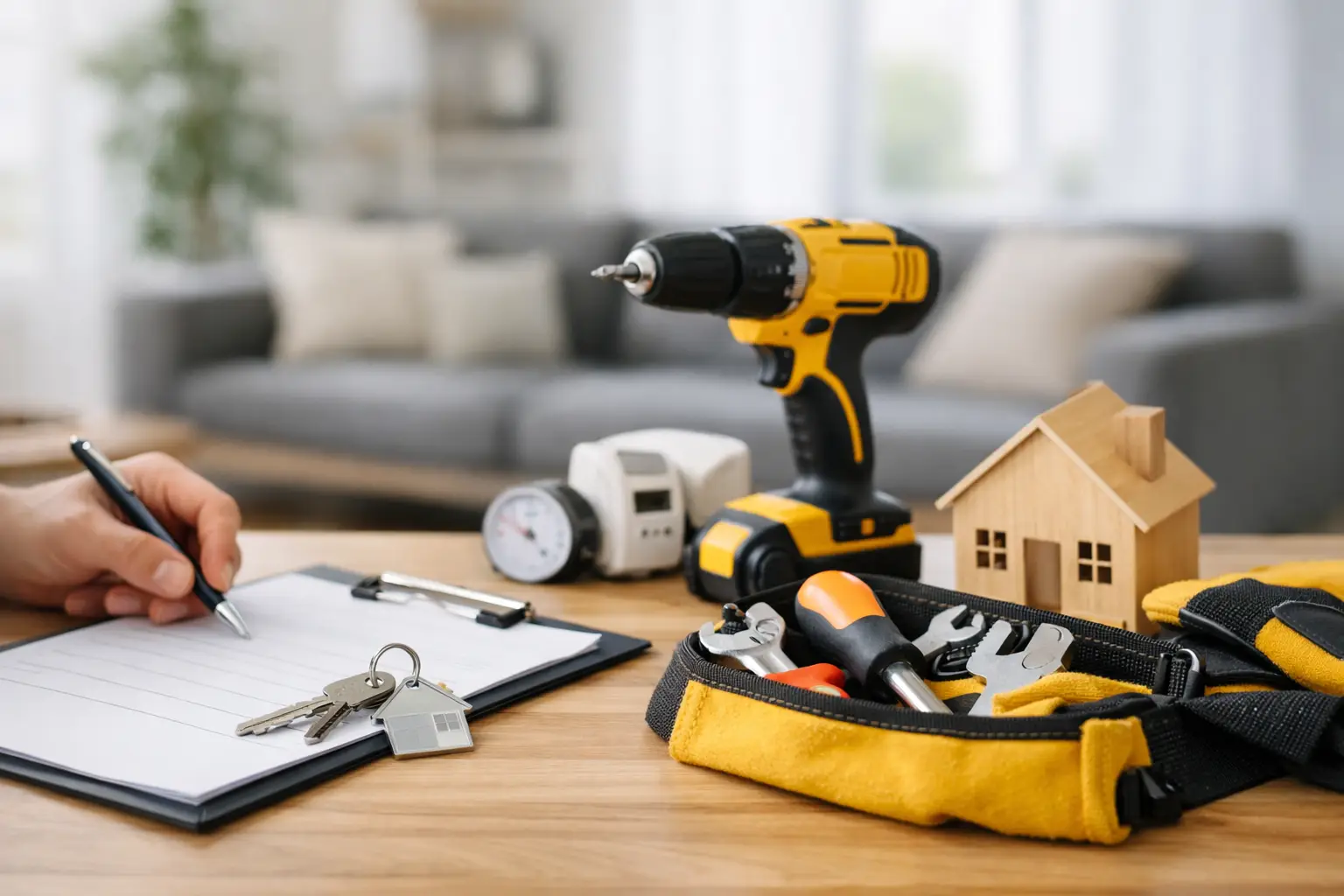
A rental usually does not fail all at once. It starts with a slow drip under a sink, a loose handrail nobody mentions, or weatherstripping that gave up sometime last winter. A solid home maintenance checklist for landlords helps catch those smaller issues before they turn into expensive repairs, tenant complaints, or vacancy headaches.
For landlords and property managers, maintenance is not just about fixing what breaks. It is about protecting the property's value, keeping tenants safe, and making smart decisions about timing and budget. The right checklist gives you a repeatable system, especially if you manage more than one home or split your time between rentals, a primary home, and everything else life throws at you.
Why a home maintenance checklist for landlords matters
The biggest benefit of a maintenance plan is predictability. When you inspect a property on a schedule, you are more likely to spot water damage early, replace worn materials before they fail, and handle seasonal work before the weather makes the job harder and more expensive.
It also helps with tenant relationships. Renters notice when a property is cared for. Functional doors and windows, safe stairs, reliable plumbing, and clean exterior areas all send the same message - this home is managed responsibly. That can reduce turnover, encourage tenants to report issues sooner, and make the property easier to lease when it becomes available.
There is also a practical financial side. Deferred maintenance almost always costs more. Re-caulking a tub is cheaper than replacing the subfloor damaged by a long-term leak. Cleaning gutters is cheaper than repairing fascia, siding, or foundation drainage problems. The checklist itself is simple. The savings come from using it consistently.
Start with the systems that create the biggest problems
If you are building your routine from scratch, focus first on the parts of the house that pose safety risks, cause water damage, or lead to expensive disruptions. Cosmetics matter, but they usually come after structure, moisture control, and core mechanical systems.
Roof, gutters, and drainage
Start outside and look up. Missing shingles, damaged flashing, clogged gutters, and downspouts that dump water too close to the foundation can create major problems with surprisingly little warning. In Colorado, snow, wind, and freeze-thaw cycles can speed up wear.
Walk the property and check for signs of overflow, erosion, standing water, and staining on siding. If trees hang over the roof, note branches that should be trimmed back. A roof may still have years left in it, but neglected gutters can shorten that timeline fast.
Plumbing and water-prone areas
Water is one of the costliest issues in any rental. Check under sinks, around toilets, behind washing machines, near water heaters, and around tubs and showers. Look for swollen trim, soft flooring, mildew, loose caulk, and slow drains.
Some plumbing issues are obvious. Others show up as small stains, slight movement in the flooring, or a musty smell that tenants have gotten used to. That is where regular inspections pay off. If a property has older shutoff valves, supply lines, or fixtures, it may make sense to replace them proactively rather than waiting for failure.
HVAC, filters, and ventilation
A heating or cooling issue becomes urgent quickly, especially during seasonal extremes. Replace filters on schedule, inspect vents and returns, and watch for signs that the system is working harder than it should. Unusual noise, uneven temperatures, or rising utility use can point to maintenance needs before a full breakdown happens.
Ventilation matters too. Bathroom exhaust fans, kitchen ventilation, and dryer vents all help manage moisture and indoor air quality. If fans are weak or vents are clogged, you can end up with condensation, mold growth, and premature wear on paint and finishes.
Electrical and safety items
Test smoke alarms and carbon monoxide detectors regularly, and document that you did so. Check GFCI outlets in kitchens, bathrooms, garages, and exterior locations. Look for loose switches, damaged covers, flickering lights, or outlets that no longer hold plugs securely.
This is also a good time to check handrails, stair treads, exterior lighting, locks, and door hardware. Safety issues are not always complicated repairs. Often, they are small items that become serious because no one put them on a schedule.
A seasonal maintenance rhythm works best
The most useful home maintenance checklist for landlords is one you can actually follow. For most properties, a seasonal schedule is easier to manage than one giant annual inspection.
Spring
Spring is the time to look for winter damage. Check roofing, gutters, siding, decks, steps, and exterior caulking. Service irrigation if the property has it, inspect hose bibs for freeze damage, and make sure drainage paths are clear.
Inside, look for signs of moisture around windows, in basements, and near exterior walls. Spring is also a smart time to service cooling equipment before tenants need it every day.
Summer
Summer is ideal for exterior repairs, painting touch-ups, fence work, and projects that need dry conditions. Check windows and screens, inspect weatherstripping, and make sure doors close properly.
If the property turns over in summer, use that vacancy wisely. It is often the best window for flooring repairs, drywall patching, fixture updates, and any work that is harder to coordinate while the property is occupied.
Fall
Fall maintenance is largely about preparing for cold weather. Clean gutters, test the heating system, seal gaps around doors and windows, and check attic or crawlspace access points for insulation and air leaks.
This is also the time to inspect exterior lighting, steps, railings, and walkways before snow and ice make every small problem more dangerous.
Winter
Winter inspections focus on performance. Watch for ice buildup, drafts, condensation, frozen pipes, and heating issues. If a property is vacant between tenants or used as a second home, winter monitoring becomes even more important.
Some winter tasks depend on the property type and occupancy. A single-family home with exterior stairs and a driveway has different needs than a small townhome or duplex. The checklist should reflect that reality instead of forcing every property into the same mold.
Don’t overlook interiors between major repairs
A lot of landlord maintenance falls in the middle ground between emergency repairs and full remodels. Doors drift out of alignment. Flooring edges lift. Caulk separates. Cabinets loosen. Window trim takes abuse. These are not headline problems, but they affect how the home functions and how well it holds up over time.
Turnovers are the best chance to catch this category of wear. Walk through every room with a consistent process. Open and close every door and window. Test every faucet, flush every toilet, check every light fixture, and look closely at walls, ceilings, and flooring transitions. A tenant may not report a cracked outlet cover or a sticking closet door, but those details still affect the property's condition.
If you manage older homes, expect more adjustment and repair work. Materials move, past repairs vary in quality, and older finishes often need more regular attention. That does not mean the property is a problem. It just means your checklist should be realistic about the home's age and character.
Documentation matters as much as the checklist
A checklist only helps if you track what you found and what was done. Keep dated notes, photos, receipts, and a clear record of repairs, inspections, and tenant-reported issues. That history helps with budgeting, scheduling, warranty questions, and future property decisions.
It also helps you spot patterns. If the same bathroom keeps needing caulk, there may be a ventilation issue. If one exterior door keeps swelling and sticking, the problem may be drainage or flashing rather than the door itself. Good documentation turns maintenance from reactive guesswork into informed property management.
When to handle it yourself and when to call a pro
Some tasks are straightforward, like replacing filters, testing alarms, or doing a basic visual inspection. Others need experienced eyes and proper repairs. Roofing, electrical work, hidden water damage, structural issues, and many exterior repairs are not areas where shortcuts pay off.
For landlords, the real question is not just can you do it yourself. It is whether you can do it safely, correctly, and on time. If a small issue sits unresolved because your schedule is packed, it is no longer saving money. It is becoming deferred maintenance.
Working with a dependable local contractor can make the checklist more useful because you have someone who can step in when the inspection turns up real work. That is especially helpful for owners managing rentals from a distance or property managers juggling multiple homes at once. Salida Home Services often supports that kind of practical, ongoing maintenance work, where clear communication and follow-through matter just as much as the repair itself.
Build a checklist you will actually use
The best checklist is not the longest one. It is the one that fits your property, your schedule, and your standards. A mountain-area rental may need closer attention to snow, drainage, exterior wear, and seasonal access. A newer property may need fewer major repairs but still benefit from regular checks on caulk, filters, safety devices, and drainage.
Keep the process simple, repeatable, and documented. If you stay ahead of moisture, safety concerns, and seasonal wear, you are already covering the issues that tend to become the biggest and most expensive. A well-maintained rental is easier to manage, lease, and trust over the long haul.
A good property does not stay that way by accident. It stays that way because someone is paying attention before the small stuff turns into a bigger job.
Aurthor:
Robby Bates
.webp)