A sticking door, worn flooring by the entry, a bathroom that still works but feels tired - these are the kinds of issues homeowners live with longer than they should. Small home renovation projects are often the fastest way to make a house feel better day-to-day without committing to a full remodel. For busy homeowners and property managers, that matters. The right upgrade can improve function, reduce maintenance, and make the whole home feel more cared for.
The key is choosing projects that solve a real problem, not just add another item to your to-do list. A good small renovation should give you a visible improvement, fit your budget, and make life easier once the work is done. That might mean better storage, easier cleaning, improved lighting, or replacing materials that are simply past their prime.
Why small home renovation projects make sense
Not every home needs a major overhaul. In many cases, the biggest frustrations come from a handful of worn, outdated, or inefficient areas. When you address those first, the home starts working better without the cost and disruption of tearing everything apart.
Small projects also give you more flexibility. You can phase improvements over time, prioritize the rooms you use most, and make decisions based on what your home actually needs right now. That approach is especially practical for occupied homes, second homes, and rental properties where timing, budget, and reliability all matter.
The room's functionality. There is also less risk of the scope getting out of hand when the work starts with a clear, focused goal. That does not mean every small project is simple. Flooring transitions, bathroom fixture replacements, trim repairs, and drywall patching all require good workmanship to ensure the finished result looks right and holds up.
The small upgrades homeowners notice most
1. Refreshing a bathroom without a full remodel
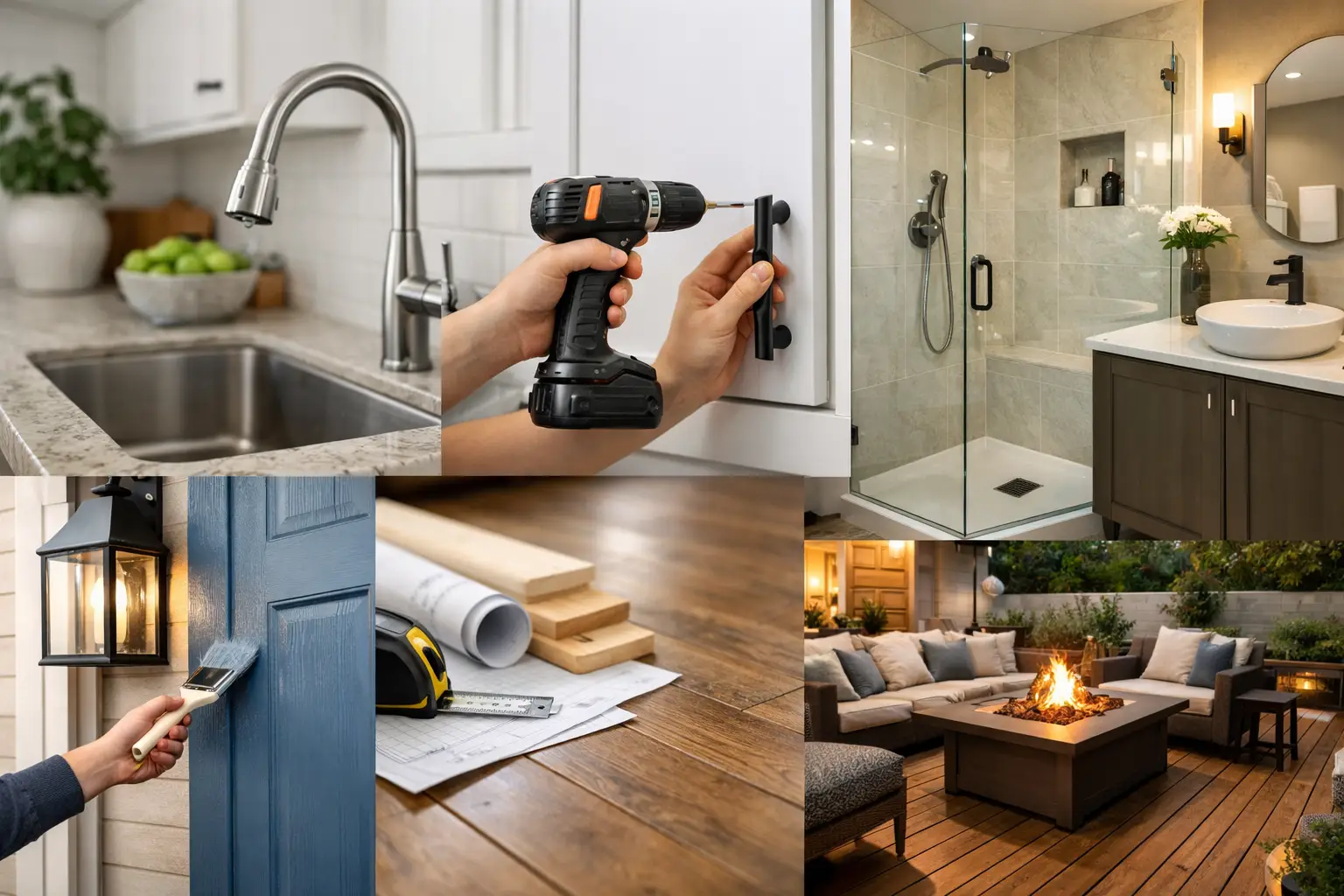
Bathrooms are among the best places to start, as even modest updates make a difference. Replacing an outdated vanity, installing a new toilet, updating faucets and lighting, and repairing worn walls can quickly change the room's feel.
This is often the right move when the layout still works, but the finishes are showing age. If the tile is sound and the plumbing locations do not need to move, a focused bathroom refresh can improve appearance and function without the expense of a full gut renovation.
The trade-off is that cosmetic updates will not solve hidden plumbing issues or poor layout. If the room has chronic moisture damage, weak ventilation, or failing surfaces, it is worth taking a closer look before covering problems with new finishes.
2. Upgrading kitchen details that get used every day
A full kitchen remodel is a major project, but smaller upgrades can still make the space feel more modern and more useful. New cabinet hardware, updated lighting, a fresh backsplash, fixture replacements, or repairing damaged drywall and trim can go a long way.
For many households, the best kitchen improvements are the ones that remove daily friction. Better task lighting over counters, a faucet that works properly, or replacing worn flooring in high-traffic areas can have more impact than trendy changes that do not improve how the room functions.
If cabinets are structurally sound, you may not need to replace them right away. If they are damaged, poorly laid out, or failing, piecemeal updates may only delay a bigger decision.
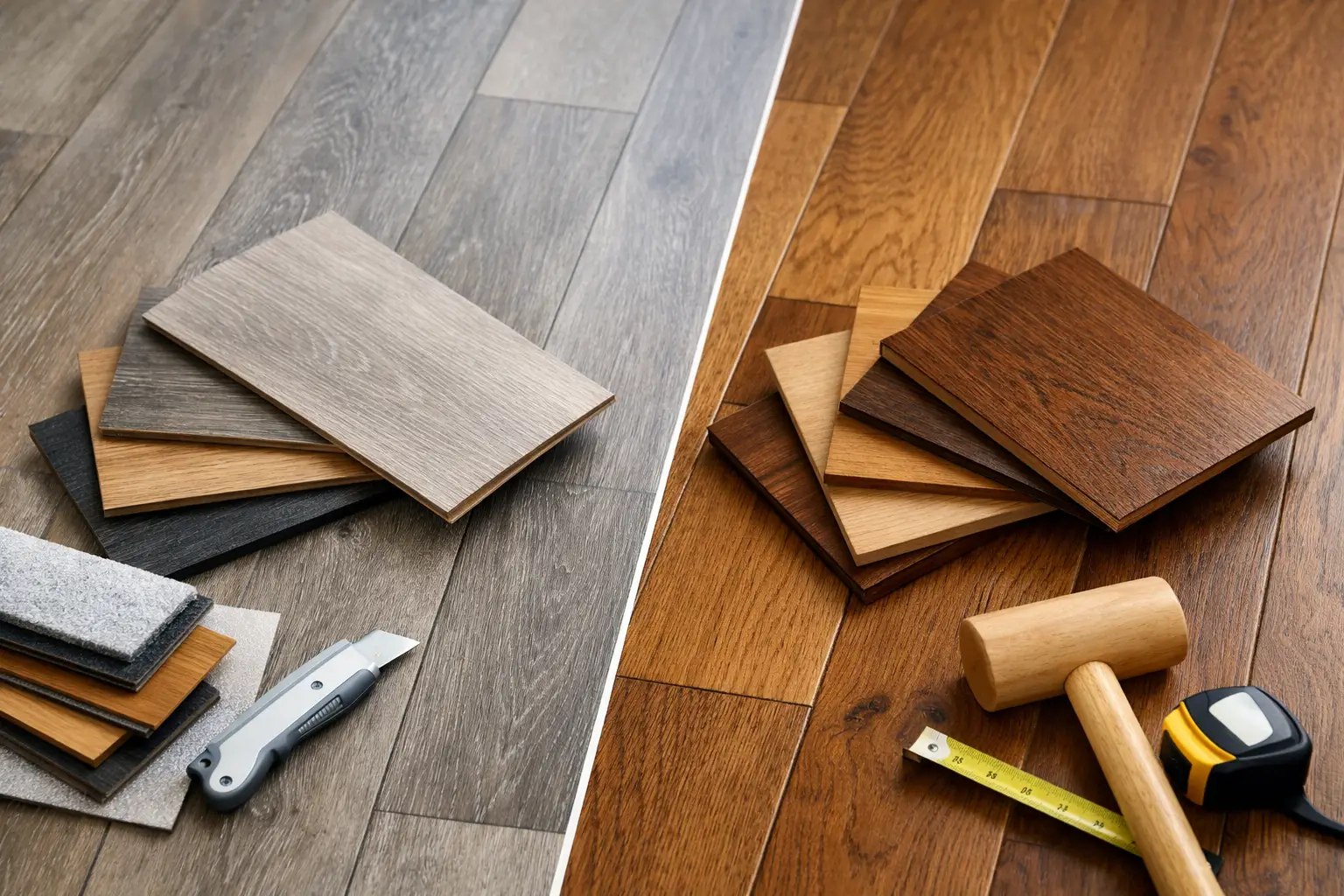
3. Replacing worn flooring in high-traffic areas
Entryways, kitchens, hallways, and living areas take a beating. Scratched surfaces, soft spots, stained carpet, or uneven transitions do more than look dated - they can make the whole home feel tired.
New flooring is one of the most visible small-home renovation projects because it immediately changes the look and feel of the space. It can also make cleaning easier and help a home feel more consistent from room to room.
Material choice matters. A rental property may need something durable and low-maintenance. A primary home may justify a finish with more warmth or character. The right answer depends on traffic, moisture exposure, pets, and budget. What matters most is proper prep and installation. Even good flooring looks bad if the subfloor is ignored or transitions are sloppy.
4. Repairing and refinishing walls and ceilings
Sometimes the biggest visual improvement comes from fixing what is already there. Nail pops, settling cracks, patchwork texture, stains, and ceiling damage tend to draw the eye. Once repaired and painted properly, the whole room feels cleaner and better maintained.
This kind of work is easy to underestimate. Homeowners often assume it is just cosmetic, but damaged drywall can indicate moisture issues, framing movement, or poorly executed repairs. A careful assessment helps separate normal wear from a problem that needs more attention.
For homes being prepared for sale or rent, wall and ceiling repairs are often money well spent because they improve first impressions without changing the entire room.
5. Installing better lighting and fixtures
Poor lighting makes even a nice room feel dated. Replacing old fixtures, adding brighter task lighting, and updating switches or bathroom accessories can make a space feel more comfortable and more finished.
This is one of those projects where small changes punch above their weight. A well-lit kitchen works better. A brighter bathroom feels cleaner. Updated exterior lighting improves both visibility and curb appeal.
That said, fixture replacement is not always plug-and-play in older homes. Existing boxes, wiring conditions, and placement can affect cost and complexity. It is smart to think beyond the fixture itself and consider the quality of light you actually want in the room.
6. Improving doors, trim, and interior finishes
Doors that do not latch properly, damaged trim, and worn interior finishes create a low-grade annoyance that adds up over time. Replacing interior doors, repairing baseboards, upgrading casing, or refinishing high-wear details can make a home feel tighter and more intentional.
These improvements are especially worthwhile in homes with good bones but visible wear. They are also useful in rentals and second homes where dependable function matters just as much as appearance.
The main consideration here is consistency. If you update one door style or a section of trim, consider how it will relate to the rest of the home. Sometimes a targeted repair is best. Other times, doing a full floor or hallway at once gives a cleaner result.
7. Making small exterior repairs before they grow
Not every renovation needs to happen indoors. Fascia repairs, trim replacement, siding patches, window and door updates, and exterior touch-ups can protect the home while improving its street appeal.
These are practical upgrades, especially in mountain climates where weather exposure is part of homeownership. Small exterior issues often turn into larger repairs when ignored. Addressing them early is usually less expensive than waiting for water intrusion or rot to spread.
For homeowners managing second homes or investment properties, this kind of preventive work can reduce surprises later and help protect property value.
8. Upgrading garage and utility spaces
Garages, mudrooms, and laundry areas are easy to overlook because they are not formal living spaces. But when these areas are more organized, better lit, and easier to maintain, the whole house functions better.
New shelving, wall repairs, more durable flooring, upgraded lighting, or improved access points can turn a cluttered utility area into a space that actually supports daily life. For many homeowners, that is a worthwhile return even if the project is not flashy.
How to choose the right small renovation first
Start with the area that causes the most frustration or shows the most wear. That sounds obvious, but many people choose projects based on what they notice in photos rather than what will improve their day-to-day routine. A bathroom with poor lighting and damaged walls may deserve attention before a living room that is simply not your favorite color.
It also helps to think in terms of timing. If replacing the flooring makes sense, should wall repairs come first? If you are updating a bathroom fixture, does the vanity need to be replaced at the same time? Grouping related work can reduce repetitive labor and help the final result look more complete.
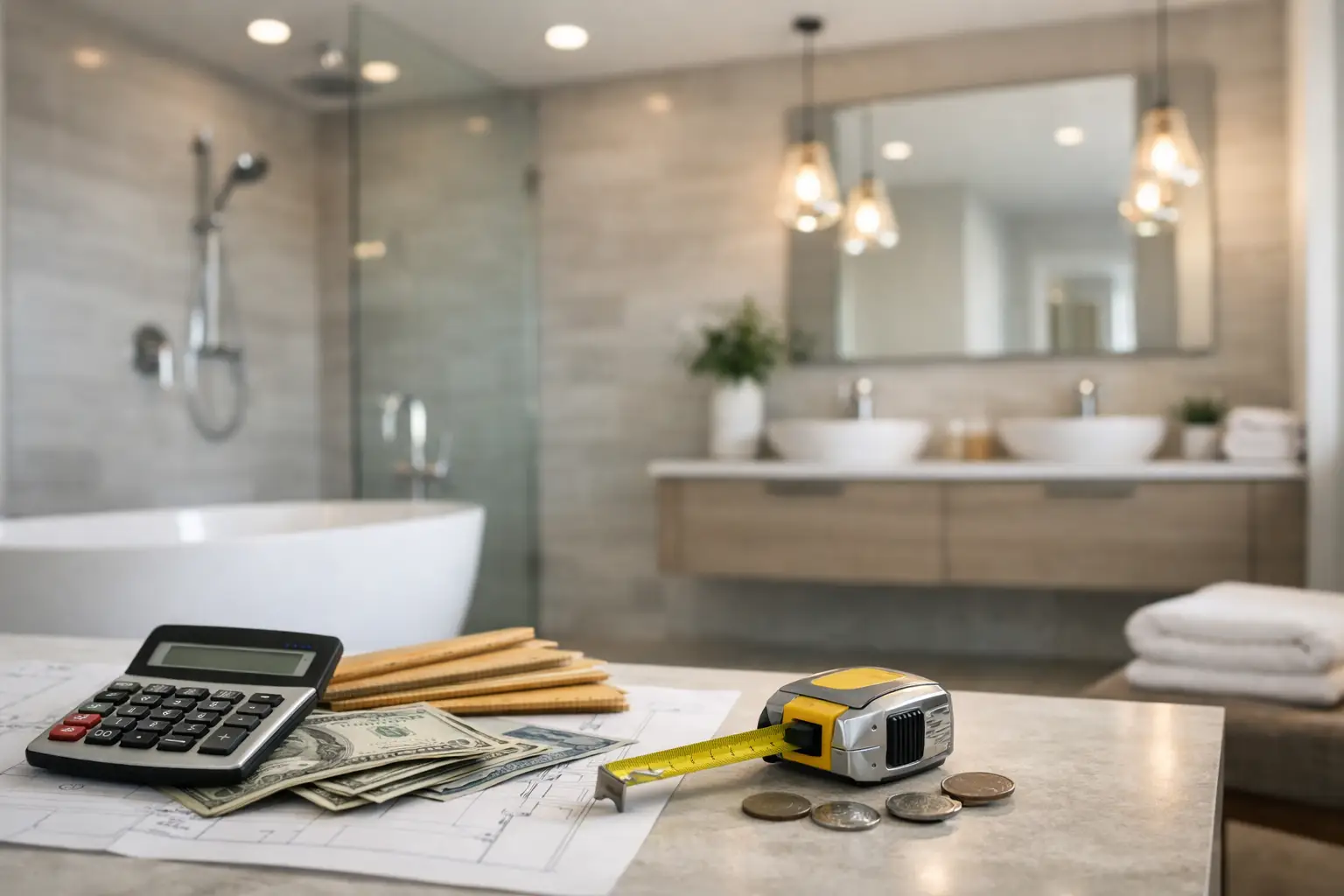
Budget should guide the scope, not force guesswork. Clear pricing, realistic expectations, and good communication matter on small projects just as much as they do on large remodels. In many cases, the smoothest jobs happen when the contractor and homeowner agree upfront on priorities, materials, and what happens if hidden issues appear once work begins.
That is one reason many local homeowners prefer working with a contractor who can handle a range of repairs and upgrades under one roof. When one team can assess walls, flooring, fixtures, trim, and exterior needs together, it is easier to build a practical plan instead of chasing multiple trades for disconnected fixes.
At Salida Home Services, that kind of straightforward planning is part of the job. Homeowners do not need more confusion. They need honest guidance, dependable workmanship, and a home that feels better when the work is done.
If your house has a few nagging problems you keep meaning to fix, start there. The best renovation is often the one that removes stress, improves daily use, and gives you one less thing to worry about when you walk through the door.
Aurthor:
Robby Bates